In the realm of industrial automation and control systems, proximity switch sensors are indispensable components for non-contact detection. Among these, the LT2 series stands out as a reliable and widely adopted solution. This article delves into the technical specifications, operational principles, common applications, and key selection criteria for the LT2 proximity sensor, providing a comprehensive overview for engineers and technicians.
The LT2 is typically an inductive proximity sensor. Its fundamental operating principle is based on electromagnetic induction. The sensor generates a high-frequency oscillating electromagnetic field from its active face. When a metallic target object enters this detection field, eddy currents are induced within the target. This causes a change in the oscillation amplitude within the sensor's internal LC oscillator circuit. The sensor's circuitry detects this change and triggers a solid-state switching output, signaling the presence of the object. This non-contact method offers significant advantages over mechanical limit switches, including no physical wear, high switching frequency, and resilience in harsh environments.
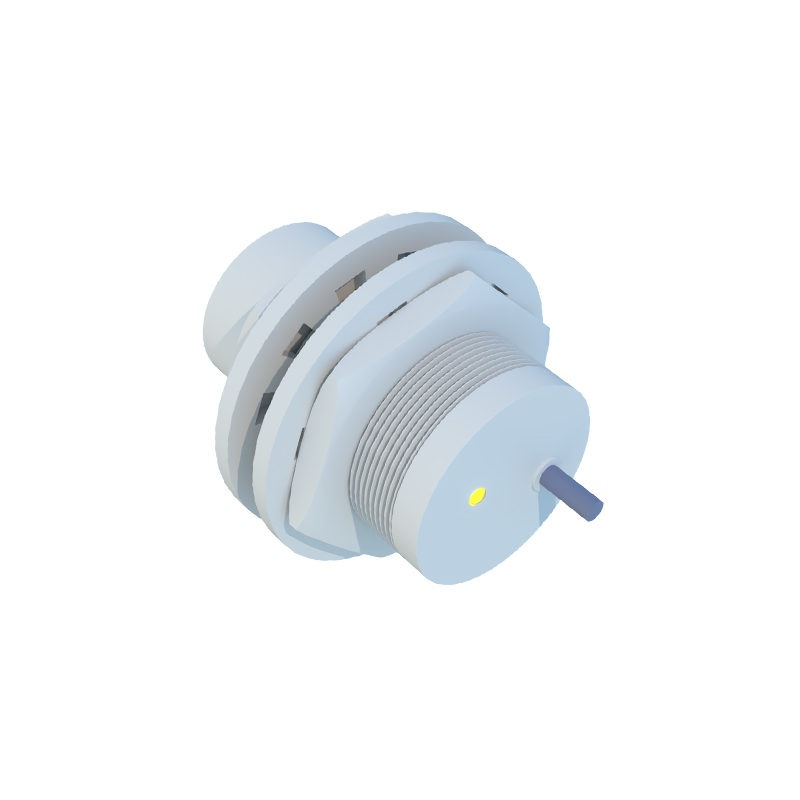
Key features of the LT2 proximity sensor often include a compact cylindrical housing, commonly in M8, M12, M18, or M30 threaded styles, facilitating easy installation. The sensing distance, or nominal range, is specified according to the sensor size and type, typically ranging from 1.5mm to 15mm for standard models. It is crucial to note that the effective sensing distance can be influenced by the target material; ferrous metals like mild steel provide the rated sensing distance, while non-ferrous metals like aluminum or copper require a reduction factor. The LT2 usually offers both Normally Open (NO) and Normally Closed (NC) output configurations via a 3-wire DC design (brown for +V, blue for 0V, black for output), compatible with standard PLC input modules. Protection ratings are commonly IP67, ensuring resistance to dust ingress and temporary immersion, making it suitable for washdown areas in food processing or automotive manufacturing.
The applications for the LT2 sensor are vast across factory floors. It is frequently used for position detection, such as verifying if a cylinder piston has reached the end of its stroke or if a workpiece is correctly seated on a fixture. In conveyor systems, LT2 sensors count passing objects, detect jams, or initiate sorting processes. They also serve in rotary speed monitoring by detecting gear teeth or keyways on a shaft. In machine tools, they provide safety interlocks by confirming guard doors are closed before operation. Their robustness allows them to function reliably near welding equipment, in machining centers with coolants, and in material handling systems with significant vibration.
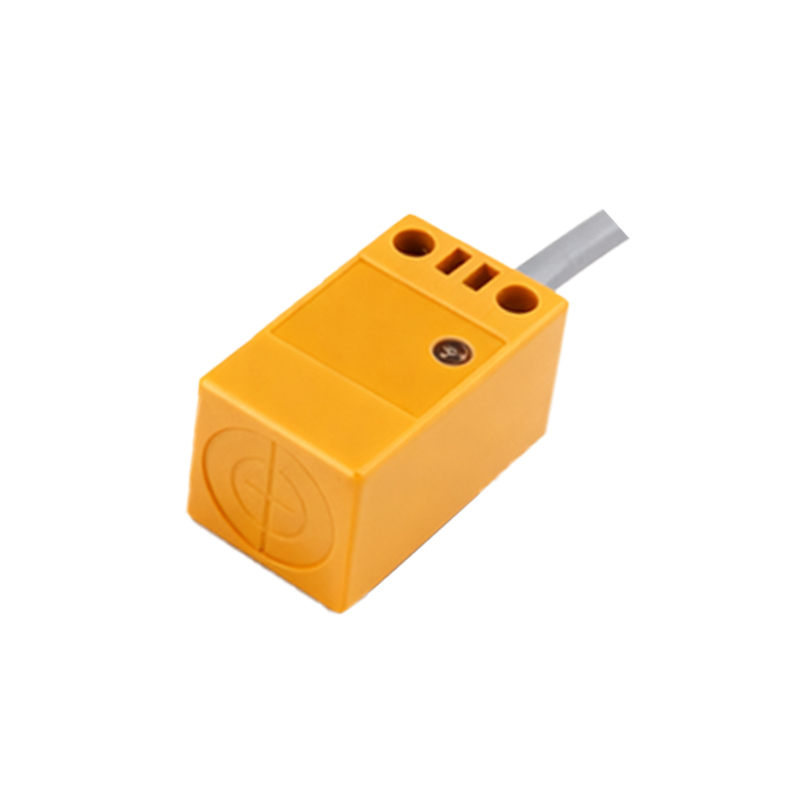
Selecting the correct LT2 sensor for a specific application requires careful consideration of several parameters. First, define the target material (steel, brass, aluminum, etc.) and the required sensing distance, accounting for any reduction factors. Second, choose the appropriate housing size and style (threaded, barrel, or rectangular) based on spatial constraints and mounting requirements. The electrical characteristics are paramount: ensure the operating voltage (e.g., 10-30V DC) matches your control system, and the output current rating is sufficient for the load. The output type (PNP-sourcing or NPN-sinking) must be compatible with the controller's input circuit. Environmental factors cannot be overlooked; for high-temperature areas, select a model with an extended temperature rating. For applications involving heavy washdown or chemicals, verify the housing material (often nickel-plated brass or stainless steel) and sealing integrity.
Installation and wiring practices significantly impact sensor performance and longevity. Maintain the recommended clearance between the sensor face and the metal mounting surface to prevent false triggering. When mounting multiple sensors side-by-side, adhere to the manufacturer's specified lateral spacing to avoid mutual interference. Always follow the wiring diagram, ensuring correct polarity for DC models. Implementing short-circuit protection on the supply line is a recommended best practice. Regular maintenance, though minimal, involves periodic cleaning of the sensing face to remove debris, oil, or metal chips that could attenuate the sensing field.
In conclusion, the LT2 proximity switch sensor represents a mature, versatile technology that forms a critical link in automated control loops. Its reliability, simplicity, and durability under demanding conditions make it a preferred choice for countless detection tasks. By understanding its operating principles, carefully matching its specifications to the application requirements, and following proper installation guidelines, engineers can ensure optimal performance and contribute to enhanced system uptime and efficiency. As automation evolves, such foundational components remain essential for building responsive and intelligent industrial systems.