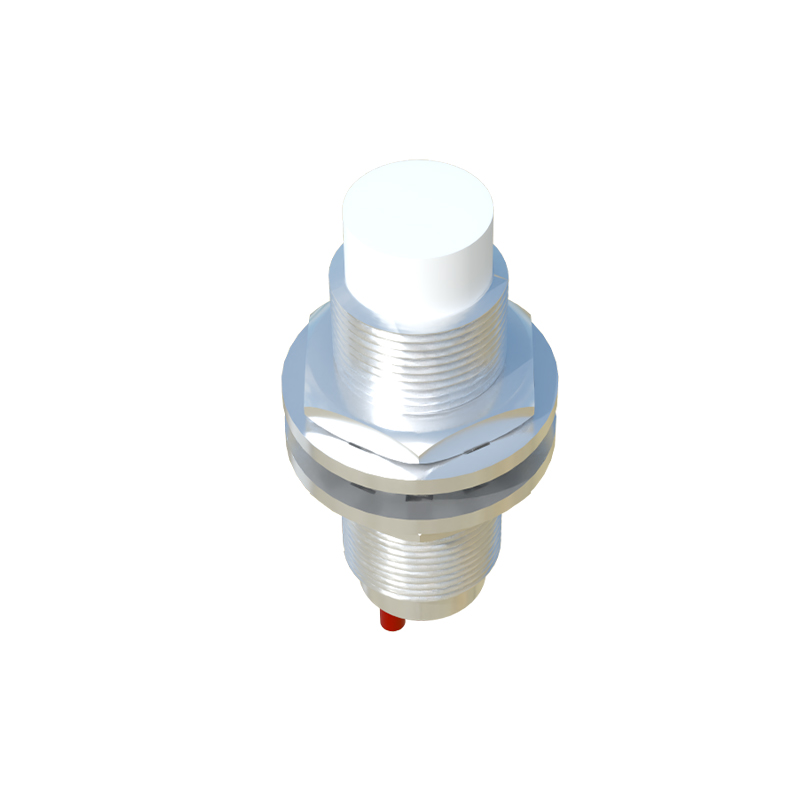
In the realm of industrial automation, proximity sensors play a pivotal role in enabling non-contact detection of objects, ensuring efficiency, safety, and reliability. Among the diverse array of proximity sensors available, the 6mm normally closed (NC) variant stands out for its specific applications and operational characteristics. This article delves into the technical nuances, working principles, selection criteria, and common use cases of 6mm normally closed proximity sensors, providing a comprehensive guide for engineers and technicians in the electrical and automation fields.
A 6mm normally closed proximity sensor is a type of inductive sensor designed to detect metallic objects within a nominal sensing range of up to 6mm. The "normally closed" designation refers to the electrical state of the sensor's output circuit when no target object is present. In an NC configuration, the output is electrically closed (allowing current to flow) in the absence of a target. When a metallic object enters the sensing field, the output switches to an open state (interrupting the current flow). This behavior is in contrast to normally open (NO) sensors, where the output is open until a target is detected. The choice between NC and NO configurations depends largely on the safety and logic requirements of the control circuit. For instance, NC sensors are often employed in safety-critical applications because a wire break or power loss mimics the "target present" state, which can be used to trigger a safe shutdown.
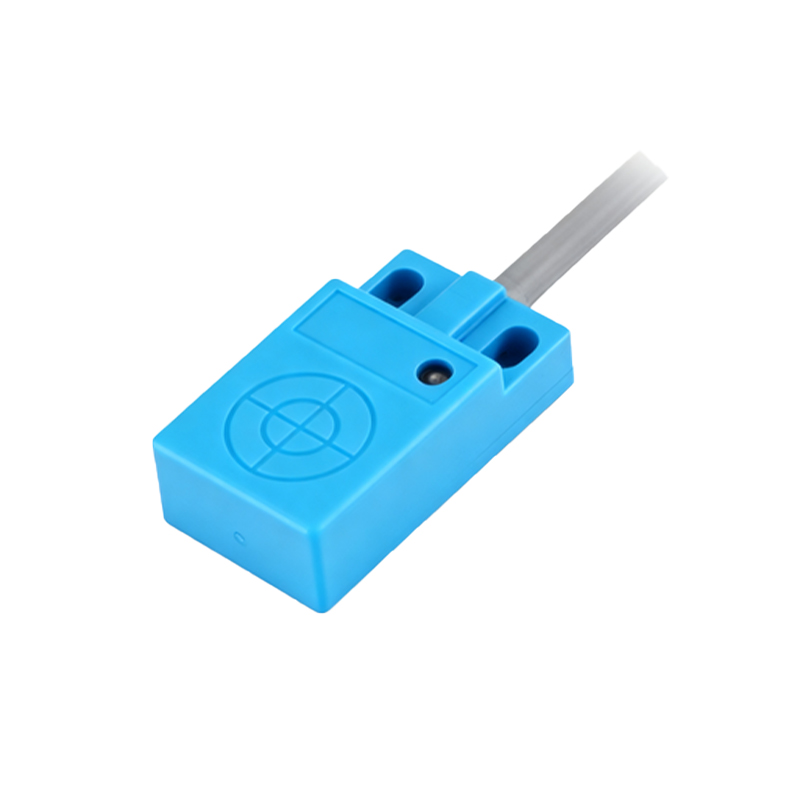
The core operating principle of an inductive 6mm NC proximity sensor is based on electromagnetic induction. The sensor contains an oscillator circuit that generates a high-frequency electromagnetic field at its active face. When a ferrous or non-ferrous metal object (such as steel, aluminum, or copper) approaches this field, eddy currents are induced in the target. These eddy currents absorb energy from the oscillator, causing a change in its amplitude. This change is detected by a threshold circuit, which subsequently triggers a solid-state switch (typically a transistor) to change the state of the output. For an NC sensor, this means the switch opens, breaking the circuit. The 6mm rating indicates the standard nominal sensing distance under ideal conditions, usually defined for a mild steel target of a specified size. It is crucial to note that the effective sensing distance can be influenced by factors such as target material, shape, size, and environmental conditions like temperature and electromagnetic interference.
When selecting a 6mm normally closed proximity sensor for an application, several key parameters must be considered. First, the sensor type must match the target material. Standard inductive sensors detect metals, but specific models are optimized for different metals. Second, the electrical specifications are vital: operating voltage (commonly 10-30V DC or 20-250V AC), output current capacity, and the type of output (e.g., NPN or PNP for DC models). For NC sensors, understanding the load connection in relation to the control logic is essential. Third, the housing material and protection rating (IP67 or IP69K are common for harsh environments) ensure durability against dust, moisture, oils, and mechanical impacts. Fourth, the response time and switching frequency must align with the application's speed requirements. Finally, installation considerations, such as flush-mountable or non-flush-mountable designs, affect the sensing characteristics and potential blind zones.
In practical industrial settings, 6mm NC proximity sensors find extensive use. A primary application is in safety interlocking systems on machine guards and doors. Here, the NC sensor is monitored by a safety relay or controller. If the guard is opened, the sensor's target (mounted on the guard) moves away, causing the NC output to close again and signaling the control system to halt dangerous machinery. This failsafe design is a cornerstone of functional safety standards like ISO 13849. Another common use is in position verification on automated assembly lines, such as confirming the presence of a metal component in a fixture before a welding or machining operation. In material handling, these sensors can detect the end position of a metal actuator or the presence of a metal pallet on a conveyor. Their compact 6mm size makes them suitable for space-constrained applications where precise detection of small metallic parts is necessary, such as in electronic component manufacturing or packaging machinery.
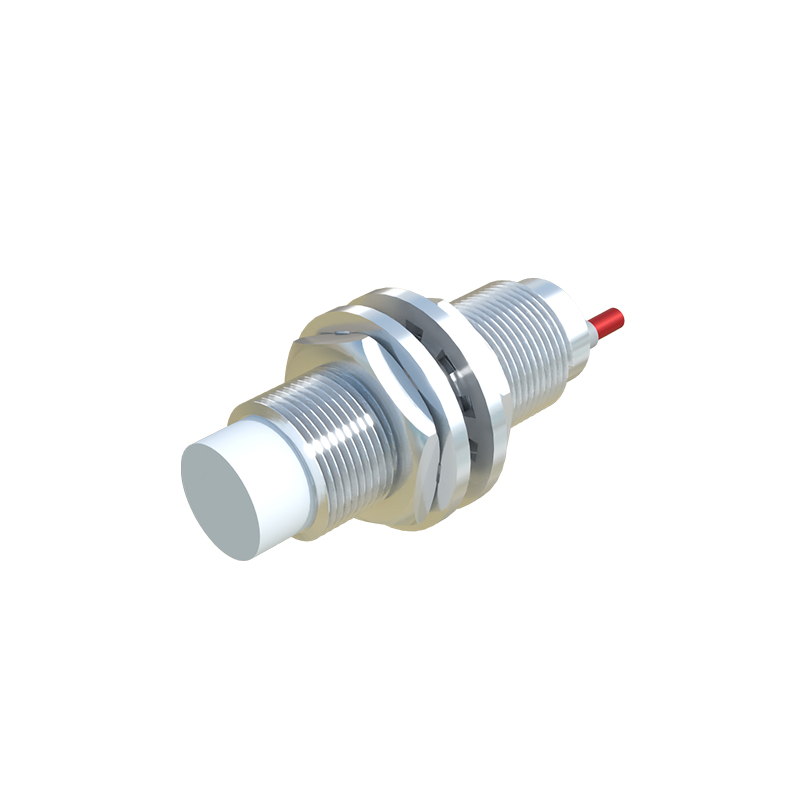
Maintenance and troubleshooting of these sensors involve regular checks for physical damage, accumulation of metallic debris on the sensing face (which can reduce effective range), and verification of electrical connections. A common diagnostic step is to measure the output voltage or current while introducing a target to confirm the switching action. Since NC sensors are "on" under normal conditions, a continuous open-circuit reading might indicate a wiring fault, sensor failure, or an unexpected target in the sensing zone.
In conclusion, the 6mm normally closed proximity sensor is a specialized and reliable component in the automation engineer's toolkit. Its inherent