In the dynamic landscape of industrial automation and control systems, the reliability and precision of sensing technology are paramount. Among the myriad of components that form the backbone of modern machinery, proximity sensors stand out for their critical role in non-contact detection. This article delves into the specifics of the R9SPuls proximity sensor, exploring its operational principles, key features, typical applications, and best practices for integration and maintenance.
The R9SPuls is a state-of-the-art inductive proximity sensor designed for robust performance in demanding industrial environments. At its core, it operates on the principle of electromagnetic induction. The sensor generates a high-frequency oscillating electromagnetic field from its active face. When a metallic target enters this field, eddy currents are induced on the target's surface. This causes a change in the oscillation amplitude within the sensor's coil, which is detected by the internal circuitry. The sensor then switches its output state accordingly, providing a clean, binary signal to the connected control system, such as a PLC (Programmable Logic Controller).
One of the defining characteristics of the R9SPuls series is its enhanced sensing range and repeat accuracy. Engineered with advanced coil design and signal processing algorithms, it offers consistent detection even for small or fast-moving metallic objects. This makes it exceptionally suitable for high-speed counting, positioning, and end-of-travel detection applications. The housing is typically constructed from nickel-plated brass or stainless steel, providing excellent resistance to mechanical stress, oils, coolants, and industrial chemicals, ensuring longevity in harsh conditions.
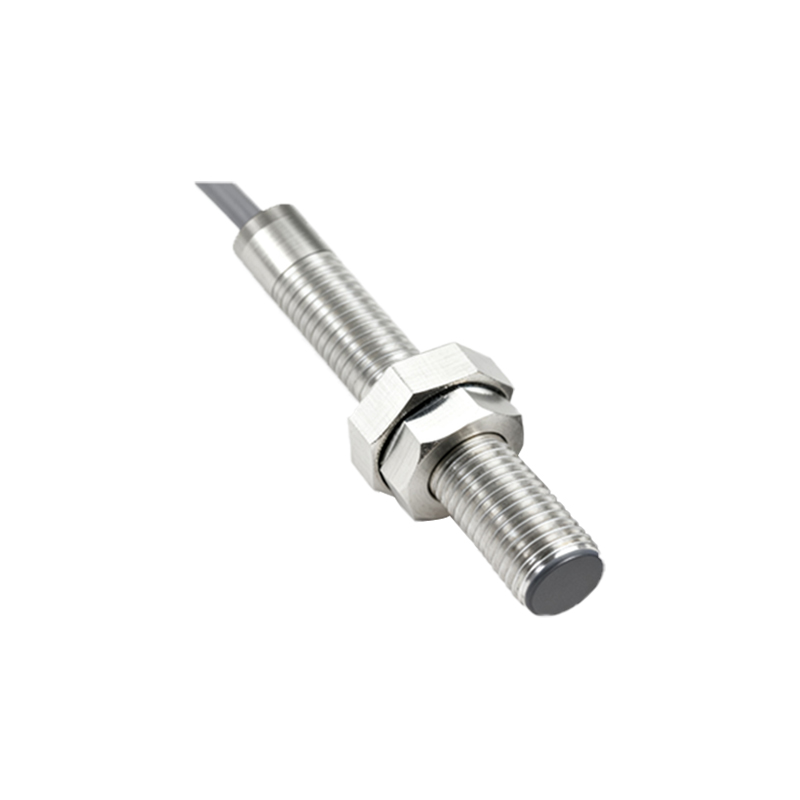
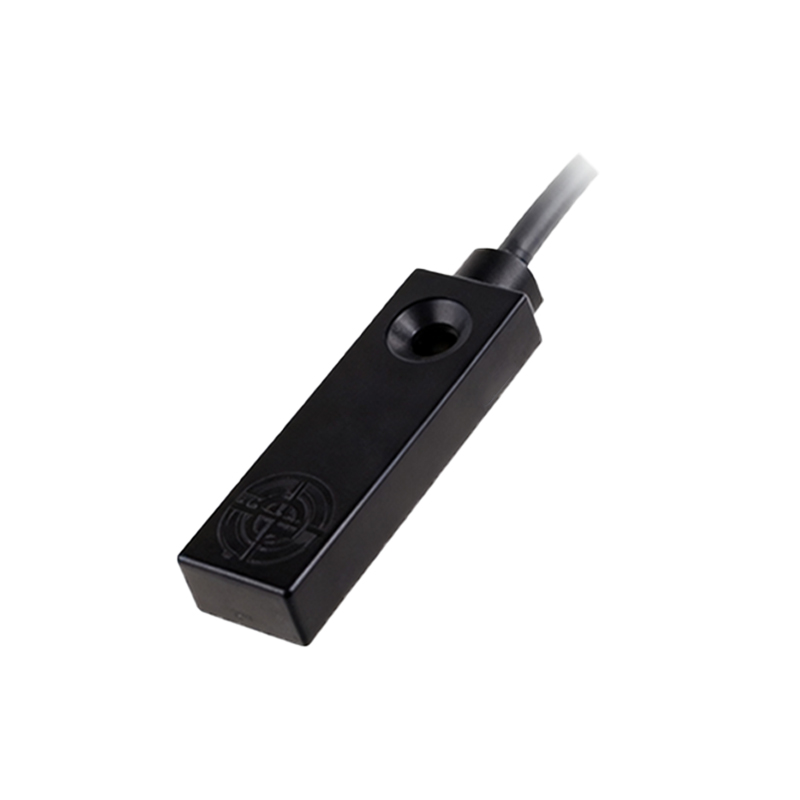
The sensor is available in various form factors, including cylindrical threaded barrels (e.g., M8, M12, M18, M30) and rectangular styles, catering to diverse mounting requirements. Electrical configurations are equally versatile, with options for NPN (sinking) or PNP (sourcing) outputs, normally open (NO) or normally closed (NC) switching logic, and 2-wire, 3-wire, or 4-wire connections to accommodate different voltage standards (commonly 10-30V DC). Many models in the R9SPuls line also feature LED status indicators for easy diagnostics and setup.
Installation and wiring of the R9SPuls sensor require careful attention. It is crucial to ensure proper mounting, maintaining the specified non-flush or flush mounting distances to avoid sensing field interference from the metal mounting bracket. Adequate clearance between multiple sensors is necessary to prevent mutual interference. Wiring should follow the manufacturer's datasheet precisely, paying close attention to polarity for DC models. Shielding and proper grounding are recommended in environments with significant electromagnetic noise to prevent false triggering.
In practical applications, the R9SPuls finds extensive use across numerous sectors. In automotive manufacturing, it detects piston position in cylinders or verifies the presence of metal components on assembly lines. In material handling, it monitors conveyor belt operations, detects pallet positions, and ensures proper stacking. Packaging machinery utilizes these sensors for cap detection on bottles or registration mark sensing on film. Their robustness also makes them ideal for metalworking, where they can detect tool presence or workpiece positioning on CNC machines.
Maintenance, though minimal, is essential for sustained performance. Regular cleaning of the sensing face to remove debris, metal chips, or buildup is necessary. Periodic functional checks should be conducted to verify the switching distance and output signal integrity. It is also advisable to monitor the operating temperature to ensure it remains within the sensor's specified range, typically from -25°C to +70°C.
When selecting an R9SPuls sensor for a specific task, engineers must consider several parameters: the required sensing distance (rated operating distance), the target material (ferrous metals like steel typically offer the longest range, while non-ferrous metals like aluminum or copper have reduced ranges), the switching frequency (how fast it can detect objects), environmental factors (IP rating for ingress protection), and the electrical interface compatibility with the existing control cabinet.
In conclusion, the R9SPuls proximity sensor represents a blend of durability, accuracy, and flexibility. Its design addresses the core needs of industrial automation—reliability and precision. By understanding its operational nuances and adhering to proper installation and maintenance protocols, electrical engineers and system integrators can leverage this component to enhance machine efficiency, safety, and overall productivity, ensuring seamless integration into complex automated systems.