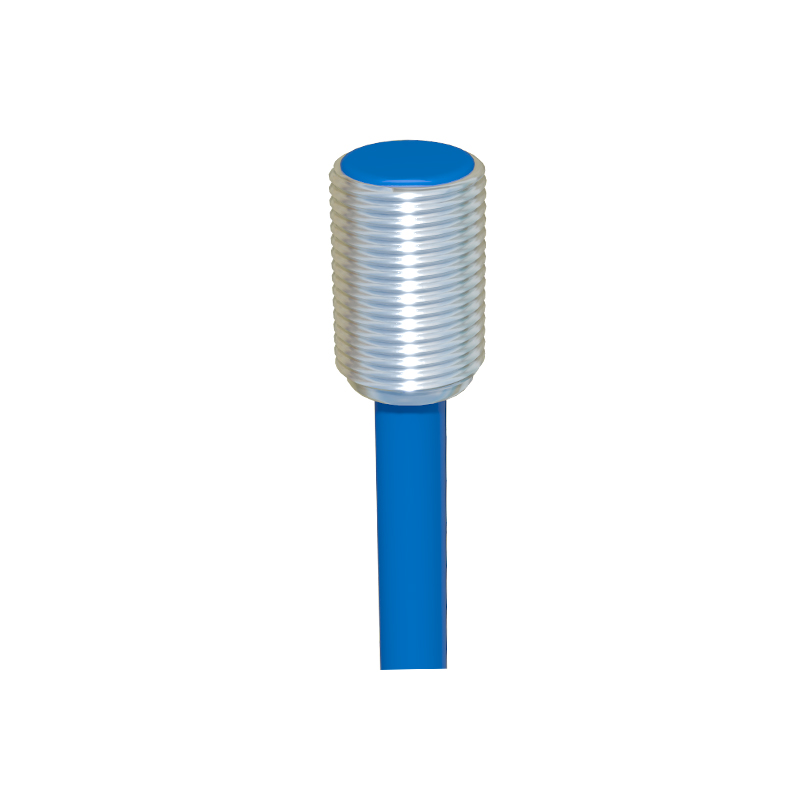
Selecting the optimal proximity sensor model is a critical decision in industrial automation and control systems. The right choice ensures reliability, efficiency, and cost-effectiveness, while the wrong one can lead to system failures, downtime, and increased expenses. This guide provides a comprehensive overview of key factors to consider when choosing a proximity sensor, helping engineers and technicians make informed decisions.
First, understand the fundamental types of proximity sensors. Inductive sensors are ideal for detecting metallic objects, utilizing electromagnetic fields. They are robust, resistant to environmental factors like dust and moisture, and commonly used in manufacturing for position detection or part counting. Capacitive sensors, on the other hand, can detect both metallic and non-metallic materials, including liquids, plastics, and wood, by measuring changes in capacitance. They are suitable for level detection or material handling. Ultrasonic sensors use sound waves to detect objects, effective for longer ranges and various materials, often applied in distance measurement or obstacle detection. Photoelectric sensors employ light beams, offering high precision and versatility for detecting objects regardless of material, but they can be affected by environmental conditions like dirt or ambient light.
Next, evaluate the specific requirements of your application. Consider the sensing range, which determines how far the sensor can detect an object. For close-range tasks, such as in tight machinery, a short-range inductive sensor might suffice, while for conveyor systems, a longer-range ultrasonic or photoelectric sensor could be necessary. The target material is equally important: if you're detecting metal parts, an inductive sensor is typically the best choice due to its durability and accuracy; for non-metallic items, capacitive or photoelectric sensors are more appropriate. Environmental factors play a crucial role as well. In harsh conditions with high temperatures, vibrations, or exposure to chemicals, look for sensors with high IP (Ingress Protection) ratings, such as IP67 or IP68, which indicate resistance to dust and water. For outdoor use, consider sensors with robust housings and temperature compensation features.
Accuracy and response time are vital for dynamic applications. In high-speed automation, such as packaging or robotics, a sensor with a fast response time (e.g., microseconds) ensures precise timing and prevents errors. Check the sensor's repeatability, which refers to its consistency in detecting objects under the same conditions. A model with high repeatability reduces variability and improves system performance. Additionally, consider the output type: digital outputs (like PNP or NPN) are common for simple on/off signals, while analog outputs (e.g., 4-20 mA or 0-10 V) provide continuous data for processes requiring measurement, such as position or thickness monitoring. Some advanced models offer IO-Link or other communication protocols for smart factory integration, enabling diagnostics and parameter adjustments remotely.
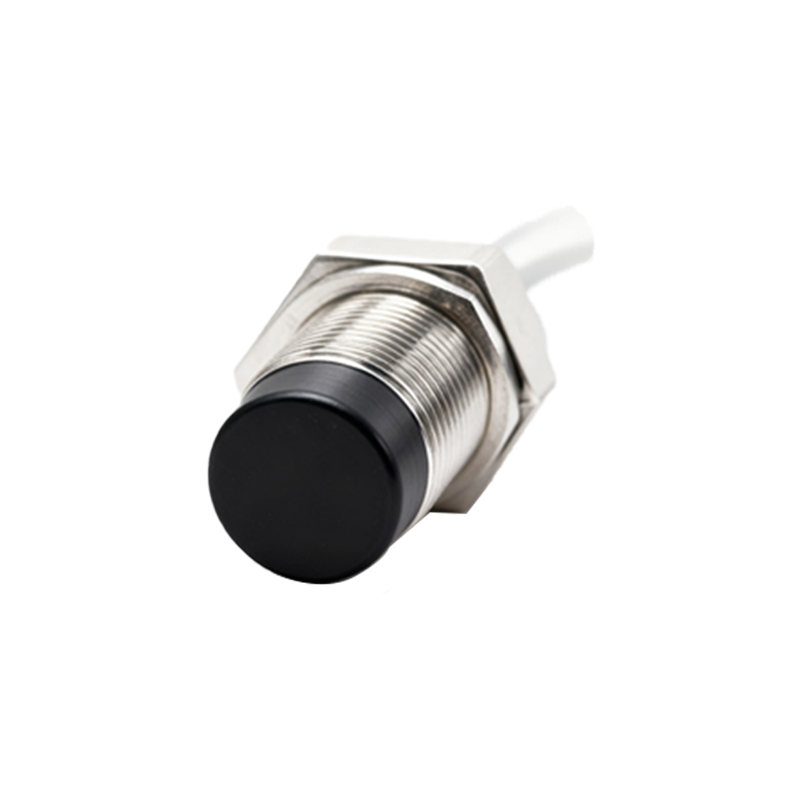
Power supply and installation constraints should not be overlooked. Ensure the sensor's voltage range (e.g., 10-30 V DC) matches your system's power source to avoid compatibility issues. For space-limited setups, compact or cylindrical sensors might be preferable, while larger sensors could offer enhanced features like adjustable sensing ranges. Mounting options, such as flush or non-flush installation for inductive sensors, affect the sensing performance: flush-mounted sensors can be installed embedded in metal, reducing the risk of damage, but may have shorter ranges, whereas non-flush models provide longer ranges but require careful positioning.
Cost and lifecycle considerations are practical aspects. While budget constraints are real, opting for a cheaper sensor might lead to higher long-term costs due to frequent replacements or maintenance. Evaluate the total cost of ownership, including installation, calibration, and potential downtime. Reputable brands often provide reliable products with warranties and technical support, which can be invaluable for troubleshooting. For specialized applications, such as food processing or hazardous areas, look for sensors with certifications like FDA approval or ATEX ratings to ensure compliance with safety standards.
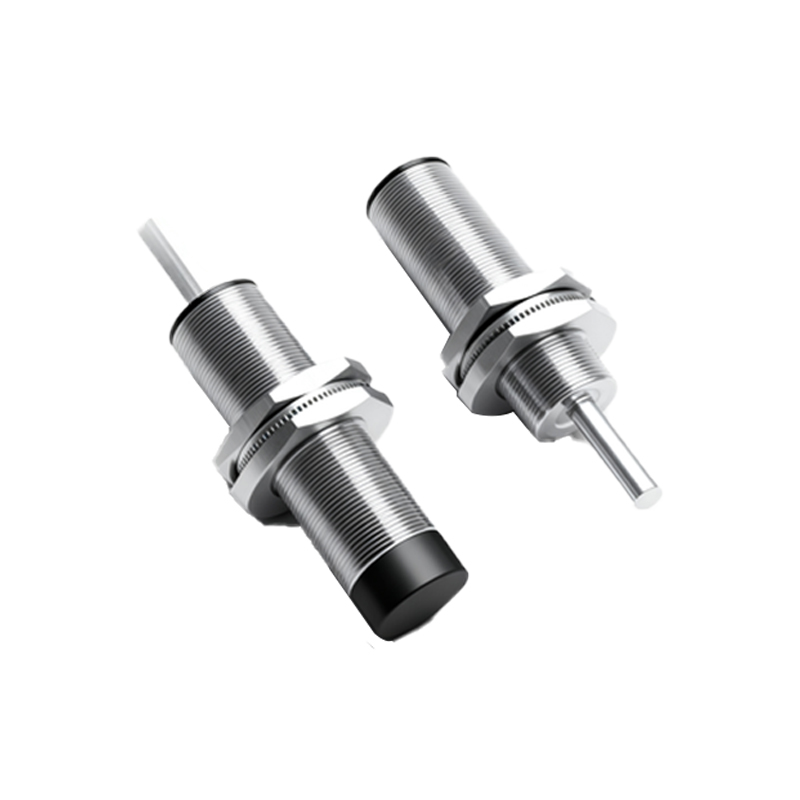
In summary, choosing the right proximity sensor model involves a balanced analysis of type, application needs, environmental conditions, performance metrics, and economic factors. Start by defining your core requirements: what you need to detect, under what conditions, and with what level of precision. Consult datasheets and manufacturer guidelines, and when in doubt, seek expert advice or test samples in real-world scenarios. By taking a systematic approach, you can select a sensor that enhances your system's reliability and productivity, ultimately driving operational success in the competitive electrical and automation industry.