In modern industrial automation systems, the integration of proximity sensors with solenoid valves represents a critical advancement in precision control, safety, and efficiency. Proximity sensors, as non-contact detection devices, are widely employed to monitor the position, presence, or movement of metallic or non-metallic objects without physical interaction. When coupled with solenoid valves—electromechanical devices that regulate the flow of liquids or gases—they form a robust control mechanism essential for applications ranging from fluid power systems and manufacturing assembly lines to packaging machinery and automotive processes.
The operational principle hinges on the sensor's ability to detect a target, such as a piston rod, actuator, or machine part, and subsequently send an electrical signal to a control unit. This signal is processed, often through a programmable logic controller (PLC) or relay, to actuate the solenoid valve. For instance, in a pneumatic cylinder setup, an inductive proximity sensor can detect the cylinder's extended position. Upon sensing the metal piston, the sensor triggers the solenoid valve to reverse the airflow, retracting the cylinder. This closed-loop feedback ensures accurate positioning, reduces mechanical wear, and minimizes downtime by preventing over-travel or misalignment.
Key types of proximity sensors used include inductive sensors for metallic objects, capacitive sensors for non-metals, and magnetic sensors for detecting magnetic fields. Inductive sensors are predominant in metal-heavy environments due to their durability and immunity to environmental contaminants like dust or oil. Capacitive sensors, sensitive to material dielectric constants, are ideal for detecting liquids or plastics. Magnetic sensors, such as reed switches or Hall effect sensors, are commonly paired with solenoid valves in hydraulic systems where magnetic pistons are utilized. The choice depends on factors like sensing range, response time, environmental conditions, and target material.
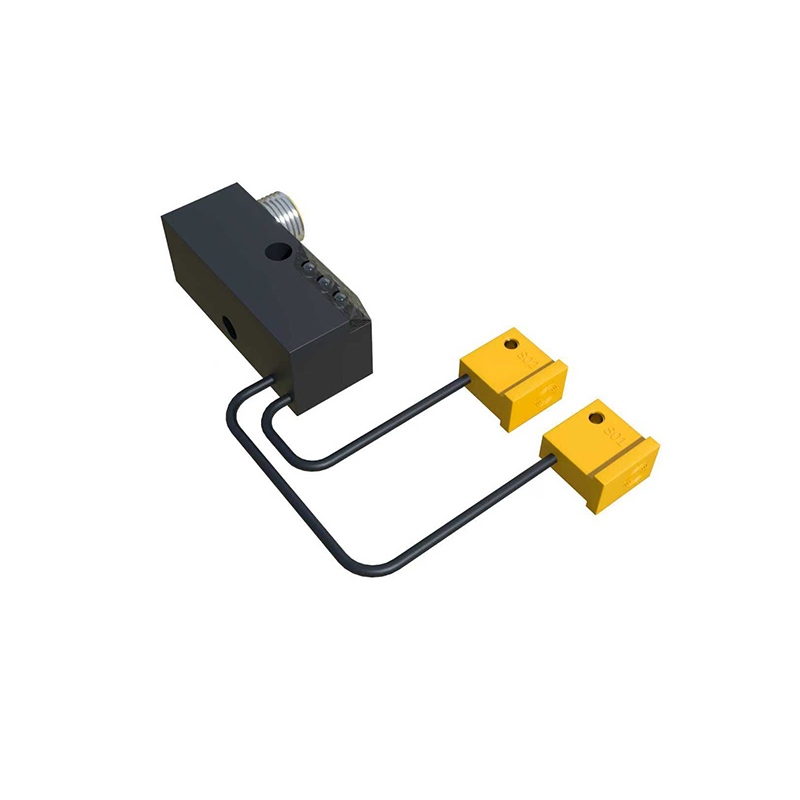
The control circuitry typically involves a DC or AC power supply, with sensors providing either a digital (on/off) or analog output. For solenoid valves, which require a specific voltage (e.g., 12V DC or 24V DC) to energize the coil and open or close the valve, the sensor output must be compatible. In many setups, a relay or solid-state switch is interposed to handle the higher current draw of the solenoid, protecting the sensor from electrical overload. Advanced systems incorporate programmable delays, pulse outputs, or fail-safe modes to enhance reliability. For example, a timer relay can be added to maintain valve activation for a set duration after sensor detection, useful in batch processing.
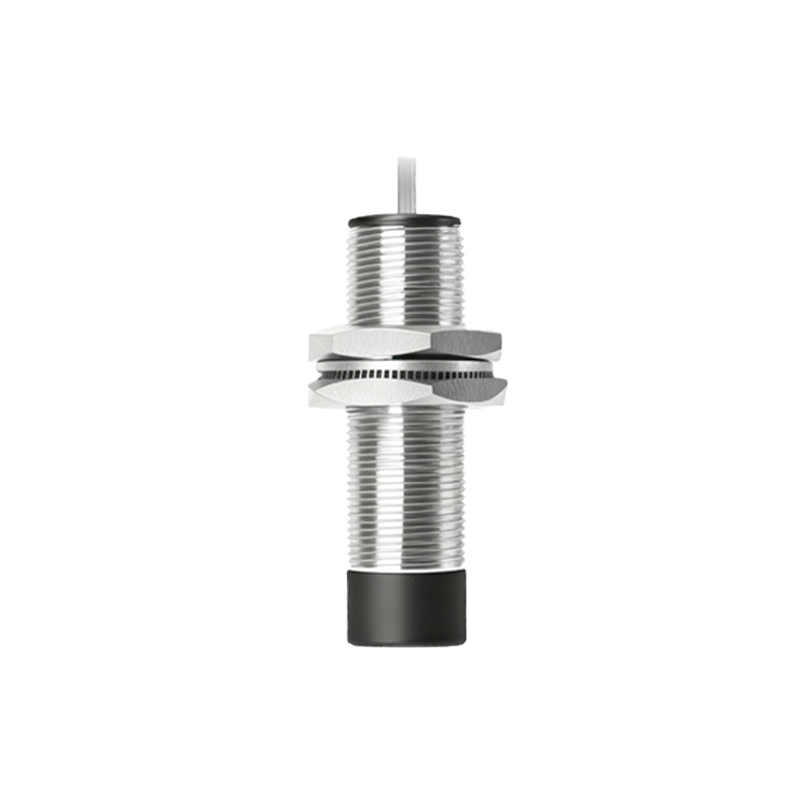
Benefits of this integration are manifold. Firstly, it enhances safety by enabling automated shutdowns if an object is detected in a hazardous zone, such as near a high-pressure valve. Secondly, it boosts efficiency through rapid response times—proximity sensors can react within milliseconds, allowing for high-speed cycling of solenoid valves in dynamic processes. Thirdly, it reduces maintenance costs by eliminating physical contact, thereby avoiding mechanical fatigue and contamination issues common in limit switches. Additionally, energy savings are achieved as solenoid valves are only energized when needed, based on sensor input, rather than running continuously.
Practical applications abound across industries. In automotive manufacturing, proximity sensors control solenoid valves that manage robotic welding arms or paint sprayers, ensuring precise operation. In food and beverage processing, capacitive sensors detect container levels and actuate solenoid valves to regulate filling or mixing. In water treatment plants, magnetic sensors monitor valve positions in piping networks, automating flow diversion based on sensor feedback. Each scenario demands careful selection of sensor specifications, such as sensing distance (from a few millimeters to several centimeters), housing material (e.g., stainless steel for corrosive environments), and output configuration (NPN or PNP).
However, challenges exist, including electromagnetic interference (EMI) from solenoid coils affecting sensor accuracy, requiring proper shielding and grounding. Environmental factors like temperature extremes, humidity, or vibration can also impact performance, necessitating sensors with high IP ratings (e.g., IP67 for dust and water resistance). Regular calibration and testing are recommended to ensure long-term reliability.
In conclusion, the synergy between proximity sensors and solenoid valves is a cornerstone of industrial automation, driving smarter, more responsive systems. By leveraging non-contact sensing technology, engineers can achieve precise control, improve operational safety, and optimize resource usage. As Industry 4.0 evolves, this integration will continue to advance with IoT connectivity, enabling real-time monitoring and predictive maintenance for even greater efficiency gains.