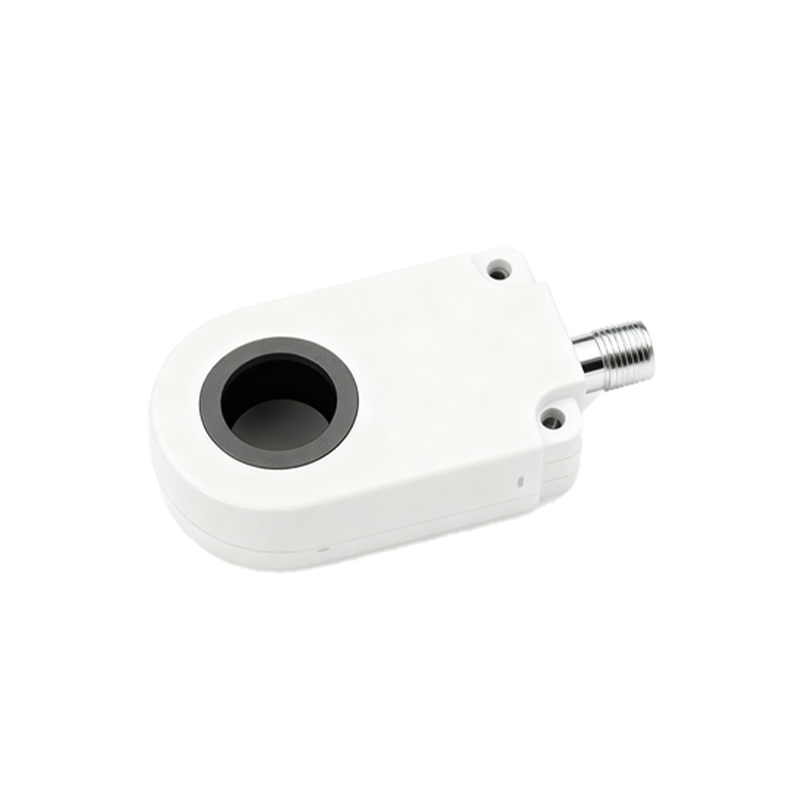
In the realm of industrial automation and control systems, the reliability of signal transmission is paramount. M8 proximity sensor connectors have emerged as a cornerstone component, facilitating the critical interface between sensors and control units. These compact, threaded circular connectors are specifically engineered for demanding environments, offering a robust solution for connecting inductive, capacitive, and ultrasonic proximity sensors. Their standardized M8 threading, corresponding to an 8mm diameter, provides a secure mechanical connection that resists vibration—a common challenge in factory settings.
The design philosophy behind M8 connectors prioritizes both durability and functionality. Typically constructed from high-grade thermoplastics or metal housings, they offer substantial resistance to oils, coolants, and particulate matter. This IP67 or higher ingress protection rating ensures operational integrity in wash-down areas or dusty conditions. Electrically, most M8 connectors for sensors are configured as 3-pin or 4-pin variants. The 3-pin version is standard for DC sensors, carrying positive, negative, and signal lines. The 4-pin design often accommodates complementary outputs (e.g., NPN and PNP) or specific sensor types requiring an additional wire for diagnostic functions or dual switching outputs.
Selecting the correct M8 connector involves several technical considerations. First, the sensor's output type must be matched. Using a connector wired for a PNP (sourcing) sensor with an NPN (sinking) sensor will result in system failure. Second, the cable material is crucial. PUR (polyurethane) cables offer excellent flexibility, abrasion resistance, and resistance to oils, making them ideal for continuous-motion machinery like robotic arms. PVC cables, while more economical, are better suited for fixed installations with less mechanical stress. The cable's conductor size, typically ranging from AWG 26 to AWG 18, must be chosen based on current load and voltage drop requirements over the intended cable run.
Installation practices significantly impact long-term performance. Proper crimping of the pins or sockets to the cable conductors is non-negotiable; a poor crimp leads to increased resistance, heat generation, and eventual failure. Utilizing manufacturer-specified crimping tools is strongly recommended. When assembling the connector, ensuring the rubber seal (often part of the cable gland) is correctly seated is vital for maintaining the IP rating. The connector should be threaded into the sensor port hand-tight, followed by a quarter to a half turn with a wrench, avoiding over-torquing which can damage the threads or sensor housing.
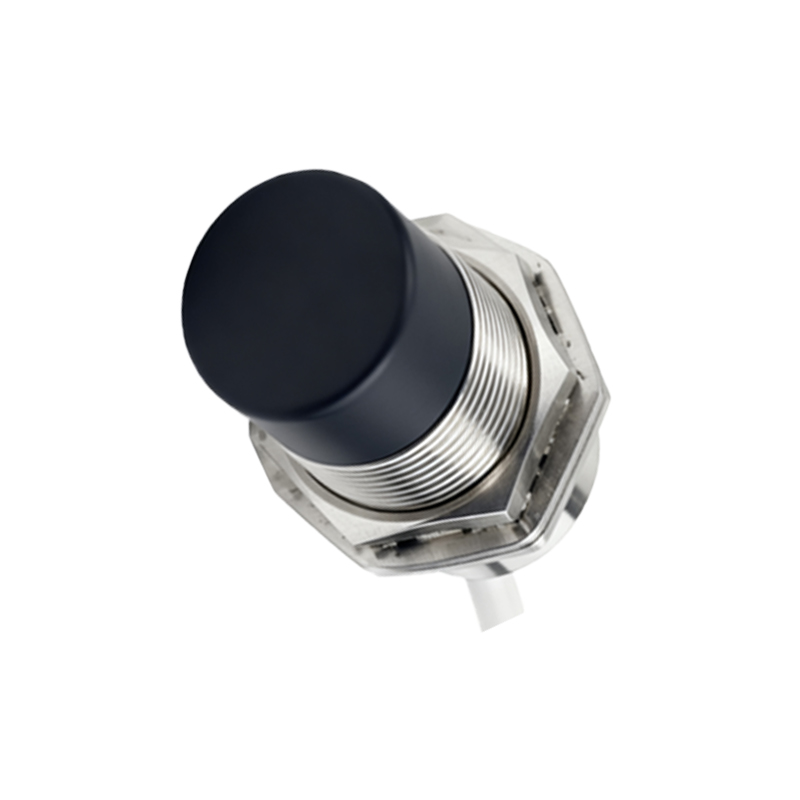
A key advantage of the M8 form factor is its role in enabling modular and maintainable systems. Pre-wired M8 connector cordsets, available in straight or right-angle designs and various standard lengths, drastically reduce installation time and wiring errors. When a sensor fails, a technician can simply disconnect the M8 plug and replace the entire unit without touching the control panel wiring. This plug-and-play approach minimizes machine downtime, a critical factor for overall equipment effectiveness (OEE). Furthermore, the proliferation of IO-Link communication protocol, which often uses a standard M8 4-pin or 5-pin connector, adds a layer of smart functionality. Through IO-Link, sensors with M8 interfaces can transmit detailed process data, parameter settings, and diagnostic information beyond a simple on/off signal.
In conclusion, the M8 proximity sensor connector is far more than a simple mechanical coupler. It is a precision-engineered component that ensures signal fidelity, provides environmental defense, and supports modern, efficient maintenance strategies. Its standardized yet versatile design has cemented its status as an industry workhorse. For engineers and technicians, a deep understanding of its specifications, selection criteria, and installation nuances is essential for building resilient and high-performing automated systems. As Industry 4.0 advances, the humble M8 connector will continue to be a reliable enabler of connectivity on the smart factory floor.