In the demanding environments of modern industry, proximity sensors play a critical role in automation, safety, and process control. These non-contact devices detect the presence or absence of objects with precision and reliability. However, one of the most significant challenges to their long-term performance and durability is corrosion. Corrosion can degrade sensor housings, damage sensing faces, and compromise electrical connections, leading to premature failure, inaccurate readings, and costly downtime. For engineers and maintenance professionals, implementing effective corrosion protection strategies is not merely an option but a necessity for ensuring operational continuity and return on investment.
Corrosion in industrial settings is primarily driven by environmental factors. Common aggressors include moisture, salt spray (common in marine or coastal applications), acidic or alkaline chemicals, oxidizing agents, and high humidity. Processes involving plating, painting, washing, or food production often expose sensors to corrosive vapors, splashes, or direct immersion. Even standard atmospheric conditions with temperature fluctuations can cause condensation, initiating electrochemical corrosion on metal sensor components.
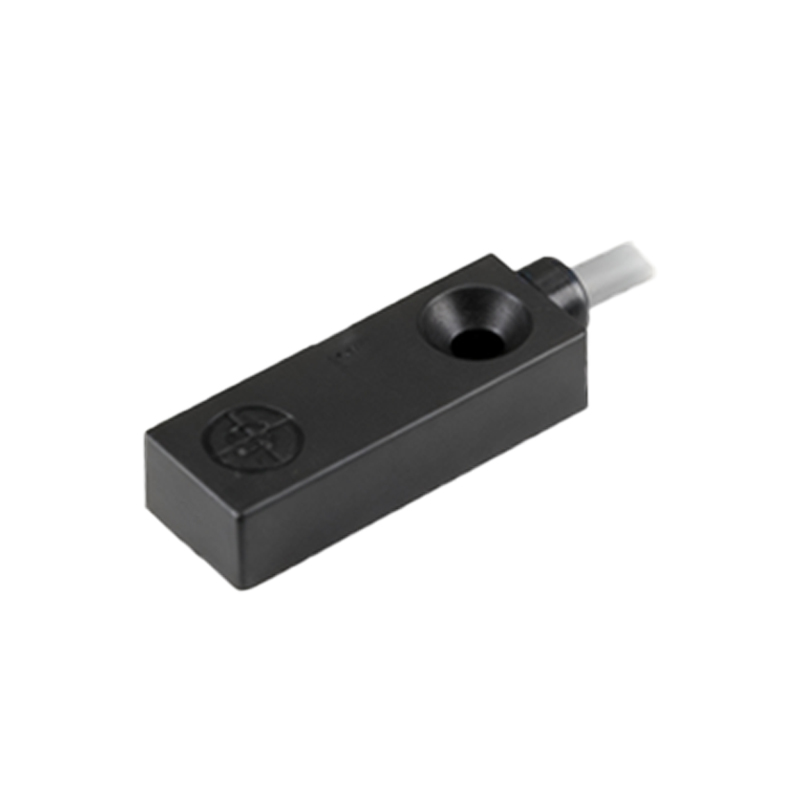
The first line of defense is the strategic selection of the sensor's housing material and its protective ratings. Stainless steel, particularly grades like 316L (AISI 316L), is a premier choice for sensor bodies due to its excellent resistance to a wide range of chemicals and atmospheric corrosion. For highly corrosive chemical environments, specialized alloys or polymers like PVDF (Polyvinylidene Fluoride) or PPS (Polyphenylene Sulfide) offer superior performance. The ingress protection (IP) rating and NEMA rating are crucial indicators. A rating of IP67, IP68, or IP69K signifies robust protection against dust and temporary or prolonged immersion in water under pressure, which is vital for washdown areas in food & beverage or pharmaceutical plants. Similarly, NEMA 4X ratings indicate suitability for environments with exposure to water, dust, and corrosive agents.
Beyond material choice, the design and application of protective coatings and platings are vital. Many proximity sensors feature a sensing face made of a specific material (like PTFE/PFA or ceramic) that is inherently corrosion-resistant and prevents the buildup of adhesive deposits. For the housing, epoxy resin coatings or nickel-plated brass bodies provide an additional barrier. It is essential to ensure that any coating is uniformly applied and free from pinholes or cracks that could become initiation points for corrosion. For threaded barrels used in mounting, choosing sensors with chemically resistant sealing materials for the threads can prevent crevice corrosion.
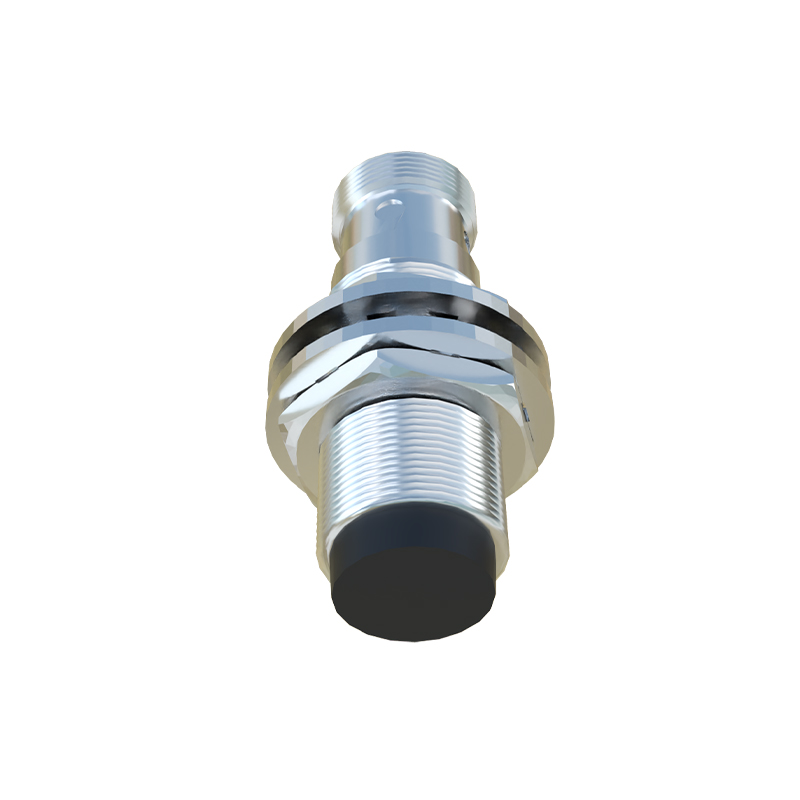
Proper installation and maintenance practices significantly extend sensor life. Even a well-protected sensor can fail if installed incorrectly. Key considerations include:
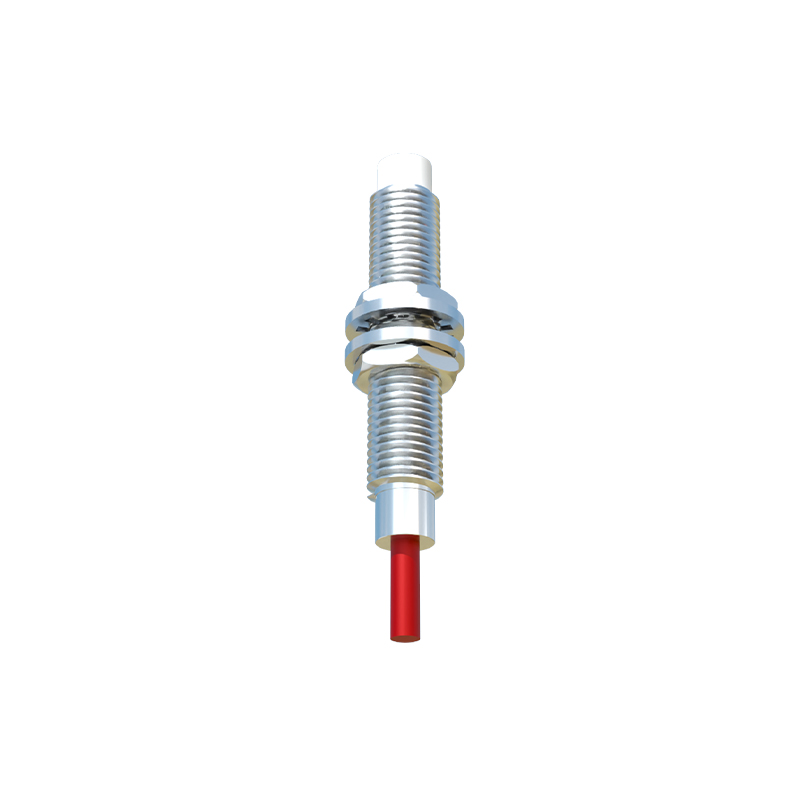
Orientation: Mount sensors to minimize the pooling of liquids or accumulation of debris on the sensing face or housing.
Sealing: Correctly torque mounting nuts and use appropriate sealing washers or O-rings to maintain the integrity of the seal between the sensor and the mounting fixture.
Cable Glands and Conduits: Use corrosion-resistant cable glands (e.g., stainless steel or brass with nickel plating) and ensure conduit entries are properly sealed to prevent corrosive agents from wicking along the cable into the electrical connection chamber.
Routine Inspection: Establish a periodic inspection schedule to check for early signs of corrosion, coating damage, or seal degradation. Cleaning sensors with compatible solvents (not harsh acids or bases) can remove corrosive residues.
For extreme environments, additional engineered solutions may be required. These include installing sensors within protective shrouds or sleeves made of inert materials, using air purging systems to maintain a positive pressure of clean, dry air around the sensor, or specifying sensors with hermetically sealed weld-in versions for direct installation into tanks or pressurized systems.
In conclusion, safeguarding proximity sensors from corrosion is a multifaceted engineering task. It requires a thorough analysis of the specific environmental hazards, informed selection of sensor specifications (material, IP/NEMA rating, design), and diligent attention to installation and maintenance protocols. By adopting this comprehensive approach, engineers can ensure that these critical components deliver reliable, long-lasting service, even in the most aggressive industrial environments, thereby protecting assets and optimizing productivity.