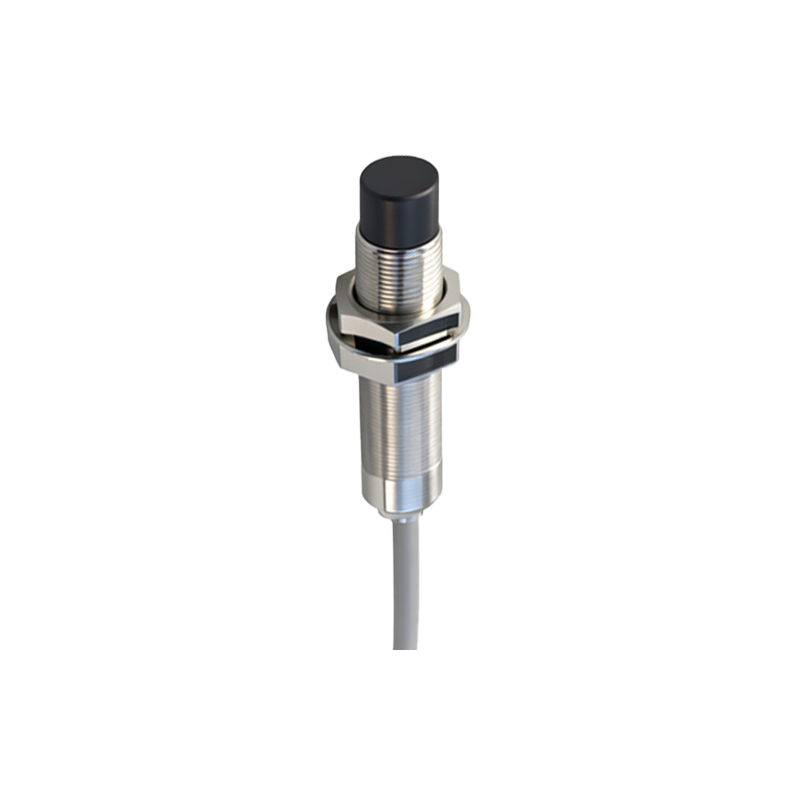
In the rapidly evolving landscape of industrial automation, wireless touch proximity switch sensors have emerged as a pivotal innovation, transforming how machinery interacts with its environment. These sophisticated devices detect the presence or absence of an object without physical contact, leveraging advanced sensing technologies such as capacitive, inductive, or optical methods. By integrating wireless communication protocols like Bluetooth Low Energy (BLE), Zigbee, or Wi-Fi, they eliminate the need for cumbersome wiring, thereby enhancing flexibility, reducing installation costs, and minimizing maintenance downtime.
The core principle behind wireless touch proximity sensors lies in their ability to sense changes in an electromagnetic field or light beam when an object enters their detection range. For instance, capacitive sensors are ideal for detecting non-metallic materials like plastics or liquids, while inductive sensors excel with metallic objects. Optical sensors, on the other hand, use infrared or laser beams to identify targets with high precision. The wireless aspect adds a layer of intelligence, enabling real-time data transmission to control systems, which can trigger actions such as starting a conveyor belt, stopping a robotic arm, or alerting operators to potential hazards.
One of the standout advantages of these sensors is their contribution to the Industrial Internet of Things (IIoT). By connecting to centralized networks, they facilitate predictive maintenance, where data analytics can forecast equipment failures before they occur, thus preventing costly production halts. Moreover, their wireless nature allows for easy redeployment in dynamic manufacturing settings, supporting just-in-time production and agile workflows. In hazardous environments, where wiring might pose safety risks, wireless sensors offer a reliable and safe alternative, ensuring compliance with stringent industry standards.
However, implementing wireless touch proximity switches requires careful consideration of factors like battery life, signal interference, and security. Modern sensors address these challenges through energy-efficient designs, robust encryption protocols, and frequency-hopping techniques to avoid interference. As industries embrace smart factories and Industry 4.0, the demand for these sensors is set to soar, driven by their ability to enhance efficiency, reduce operational costs, and improve workplace safety. In conclusion, wireless touch proximity switch sensors are not just a technological upgrade but a cornerstone of future-proof industrial ecosystems, paving the way for more connected and intelligent automation solutions.