In the realm of industrial monitoring and precision measurement, fiber optic laser vibration sensors have emerged as a transformative technology. Unlike traditional piezoelectric or capacitive sensors, these devices utilize the principles of interferometry guided through optical fibers to detect minute vibrations with exceptional accuracy and reliability. The core operation involves a laser light source that transmits coherent light through a single-mode optical fiber to a sensing element. When this element is subjected to vibration, it induces a phase shift or change in the light's properties—such as intensity, wavelength, or phase—which is then precisely measured by a photodetector and analyzed to quantify the vibration parameters.
The advantages of this technology are manifold and address critical challenges in harsh industrial environments. Firstly, they are inherently immune to electromagnetic interference (EMI), making them ideal for use near high-voltage equipment, motors, or in areas with strong radio frequency noise. Secondly, the sensors themselves are passive at the measurement point, containing no electronic components. This grants them exceptional safety in explosive or hazardous atmospheres. Furthermore, their small size, lightweight design, and multiplexing capability allow for the deployment of distributed sensor networks along a single fiber line, enabling comprehensive monitoring of large structures like wind turbine blades, pipelines, or aircraft wings.
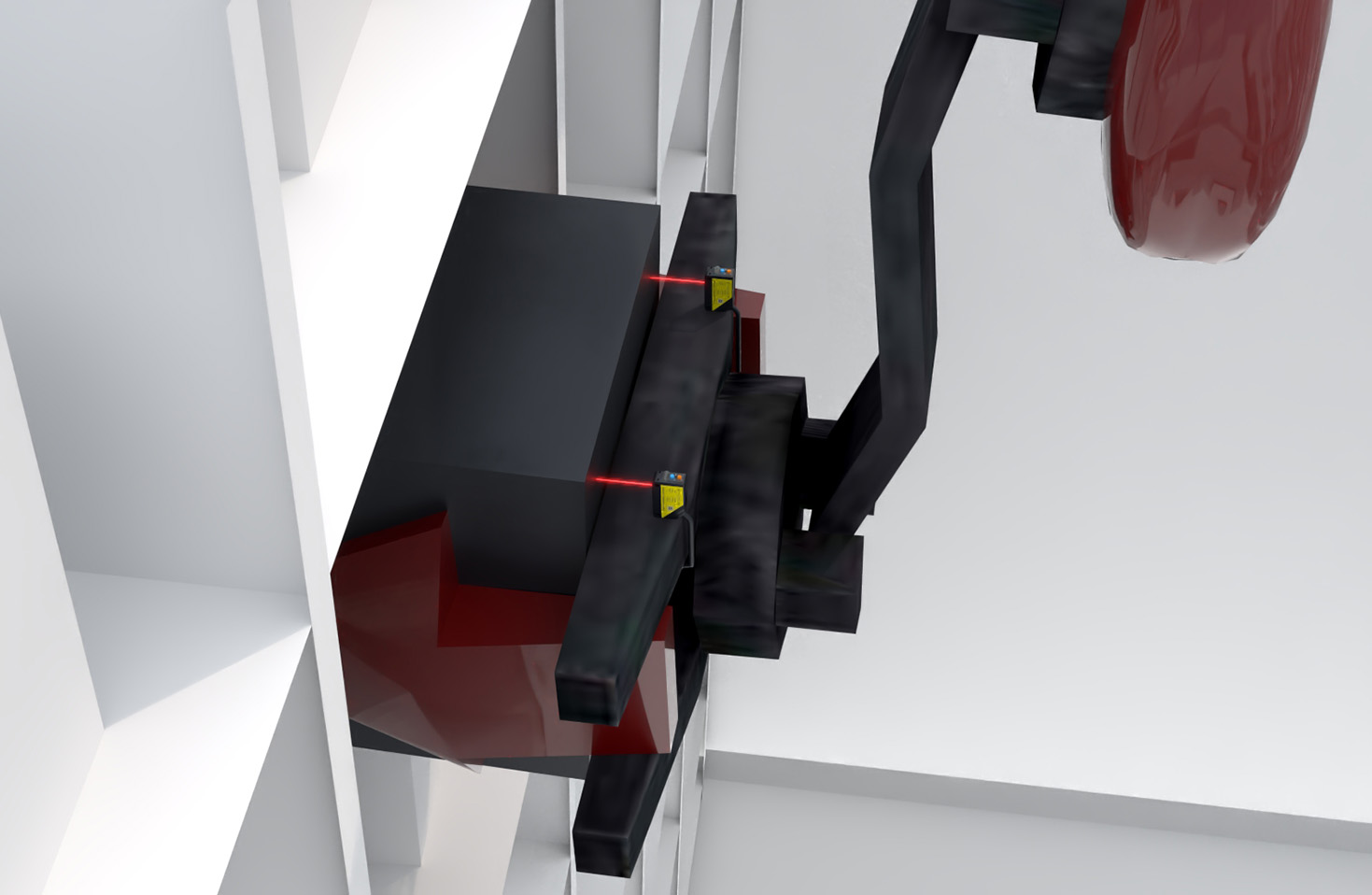
A key application domain is predictive maintenance in manufacturing and energy sectors. By continuously monitoring vibration signatures of critical machinery such as turbines, pumps, compressors, and gearboxes, these sensors can detect anomalies indicative of imbalance, misalignment, bearing wear, or cavitation at their earliest stages. This facilitates condition-based maintenance, preventing catastrophic failures, reducing unplanned downtime, and optimizing operational lifespan. The high-frequency response and broad dynamic range of fiber optic laser sensors capture data that traditional sensors might miss, providing a richer dataset for advanced analytics and machine learning algorithms.
In the field of structural health monitoring (SHM), these sensors are revolutionizing how we assess the integrity of civil infrastructure and aerospace components. Embedded or surface-mounted sensor arrays can monitor bridges, dams, tunnels, and historical buildings for vibrations caused by traffic, seismic activity, or material fatigue. The distributed sensing nature allows for the detection and localization of cracks or strain variations over kilometers of fiber, offering a comprehensive health dashboard. Similarly, in aerospace, networks of these sensors provide real-time data on aerodynamic flutter, structural loads, and operational vibrations during flight tests and in-service monitoring, enhancing safety and informing design improvements.

The technology continues to advance rapidly. Developments in fiber Bragg grating (FBG) sensors, where a periodic variation in the fiber core's refractive index acts as a wavelength-specific reflector, have enabled highly precise point sensing. Meanwhile, distributed acoustic sensing (DAS) and distributed vibration sensing (DVS) systems use the entire fiber cable as a continuous sensor, detecting acoustic and vibrational events anywhere along its length through sophisticated analysis of backscattered light. This is particularly valuable for perimeter security, pipeline leak detection, and seismic monitoring in oil and gas exploration.
Despite their superior performance, adoption considerations include system cost, which can be higher than conventional solutions for simple applications, and the need for specialized expertise in optical system installation and data interpretation. However, the total cost of ownership is often justified by the unparalleled data quality, durability, and the prevention of expensive failures. Integration with the Industrial Internet of Things (IIoT) is a natural progression, where sensor data is fed into cloud platforms for centralized analysis, visualization, and automated alerting.
Looking ahead, research is focused on enhancing sensitivity, reducing the footprint of interrogation units, and developing more robust and cost-effective packaging for extreme environments. The convergence with photonic integrated circuits promises smaller, more scalable systems. As industries increasingly prioritize safety, efficiency, and data-driven decision-making, fiber optic laser vibration sensors are poised to become a cornerstone technology for intelligent monitoring across a vast spectrum of engineering disciplines, from factory floors to deep-sea installations and beyond.