In the realm of industrial automation and process control, the terms "proximity sensor" and "displacement sensor" are frequently encountered. A common point of confusion arises: Is a proximity switch a type of displacement sensor? The answer is nuanced and requires a clear understanding of the operational principles, functionalities, and typical applications of each device. This article aims to dissect this technical question from an engineering perspective.
Fundamentally, a proximity sensor is a non-contact electronic device designed to detect the presence or absence of a target object within its sensing range without physical contact. Common types include inductive (for metallic objects), capacitive (for both metallic and non-metallic objects), and photoelectric sensors. Their primary function is binary detection: an object is either "present" (within the detection zone) or "absent." The output is typically a digital ON/OFF signal. For instance, an inductive proximity switch will trigger when a metal part comes within a specified distance, often used for counting, limit switching, or position verification.
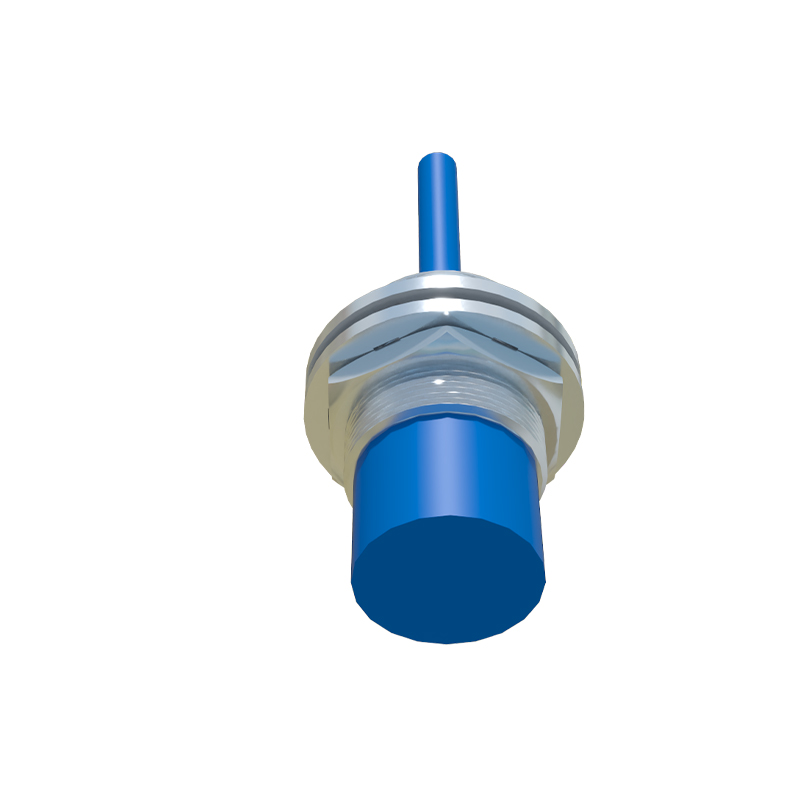
A displacement sensor, on the other hand, is specifically engineered to measure the precise distance or positional change of an object relative to a reference point. It provides a continuous, analog output (e.g., 4-20mA, 0-10V) or a high-resolution digital signal that is directly proportional to the measured distance. Technologies include Linear Variable Differential Transformers (LVDTs), eddy current sensors, laser triangulation sensors, and ultrasonic sensors. Their key characteristic is the ability to quantify "how much" displacement has occurred, not just "if" an object is present.
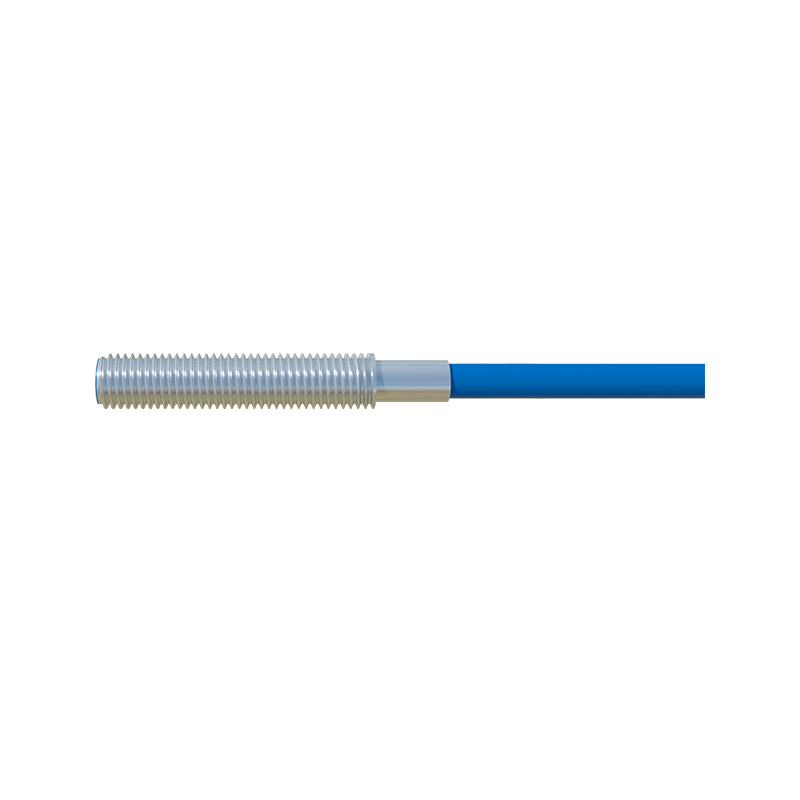
So, where does the overlap occur? Certain types of analog or measuring proximity sensors blur the line. An analog inductive proximity sensor, for example, can provide an output voltage or current that varies with the distance to the target within a defined range. In this specific configuration, it is functioning as a displacement sensor. It measures the gap or displacement between the sensor face and the metallic target. Similarly, some capacitive sensors can be used for precise distance measurement of non-conductive materials.
However, it is critical to recognize that this is a specialized application of proximity sensing technology. The vast majority of standard proximity switches installed in factories are digital switches used for object detection, not precise metrology. Their sensing distance is fixed and not calibrated for continuous linear measurement. Using a standard binary proximity switch to measure displacement would be highly inaccurate and inappropriate.
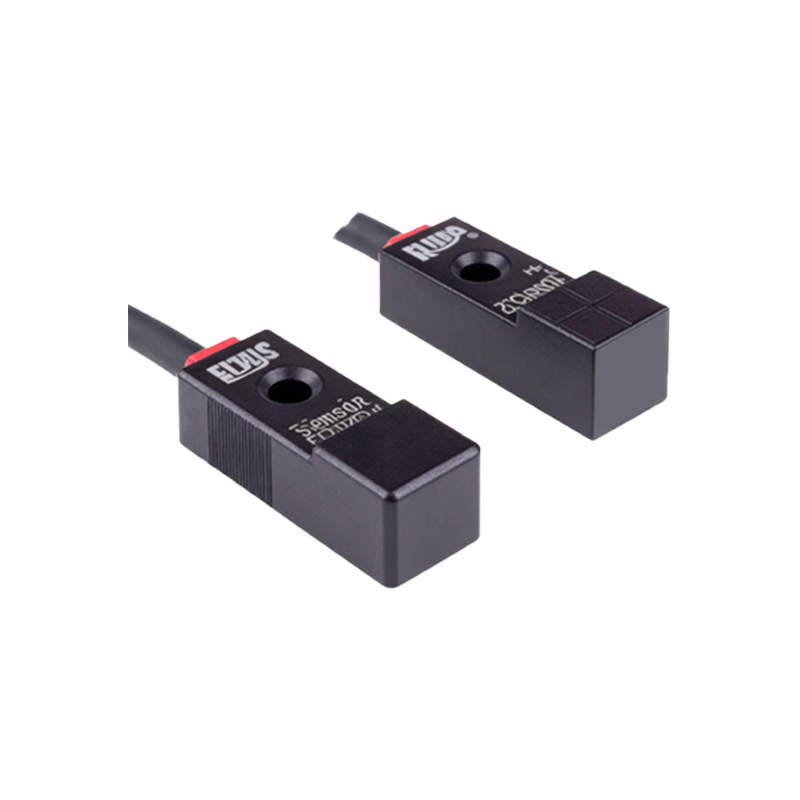
Key differentiators lie in performance specifications. Displacement sensors prioritize linearity, resolution, repeatability, and long-term stability over a defined measuring range. Proximity switches, even analog ones, often have a more limited linear range and may prioritize robustness, switching frequency, and environmental resistance (like immunity to oils or coolants) over ultra-high precision.
In practical applications, the choice is driven by the requirement:
Use a standard proximity switch for: Detecting if a robot gripper is closed, confirming a part is in a fixture, or triggering an event when an object passes a point.
Use a displacement sensor (or analog measuring proximity sensor) for: Monitoring the wear of a bearing clearance, controlling the precise gap in a roller machine, measuring vibration amplitude, or performing thickness measurement.
Therefore, to conclude directly: Not all proximity sensors are displacement sensors. A standard binary proximity switch is strictly an object detection device. However, a subset of proximity sensors—specifically those designed with analog output for distance-proportional measurement—can indeed perform as displacement sensors within their specified parameters. The conflation of terms often stems from this functional overlap in specific sensor types. For an engineer, specifying the correct device hinges on a precise definition of the task: is the need for detection or for continuous, quantitative measurement? Understanding this distinction ensures optimal system performance, cost-effectiveness, and reliability in any control or monitoring application.