In the realm of industrial automation, precision, reliability, and durability are non-negotiable. Among the myriad of components that ensure seamless operations, proximity sensors stand out as critical elements for non-contact detection. The NBN8 series of inductive proximity switches represents a pinnacle of engineering in this domain, designed to meet the rigorous demands of modern manufacturing, packaging, material handling, and automotive assembly lines.
The NBN8 proximity sensor is an inductive type, fundamentally operating on the principle of electromagnetic induction. It generates an oscillating electromagnetic field from its sensing face. When a metallic target—typically ferrous metals like steel or iron, though some models detect non-ferrous metals—enters this field, eddy currents are induced in the target. This causes a change in the oscillation amplitude, which is detected by the sensor's internal circuit. This change triggers a solid-state switching output, signaling the presence or absence of the object without any physical contact. This non-contact nature eliminates mechanical wear, ensuring a long operational life even in high-cycle applications.
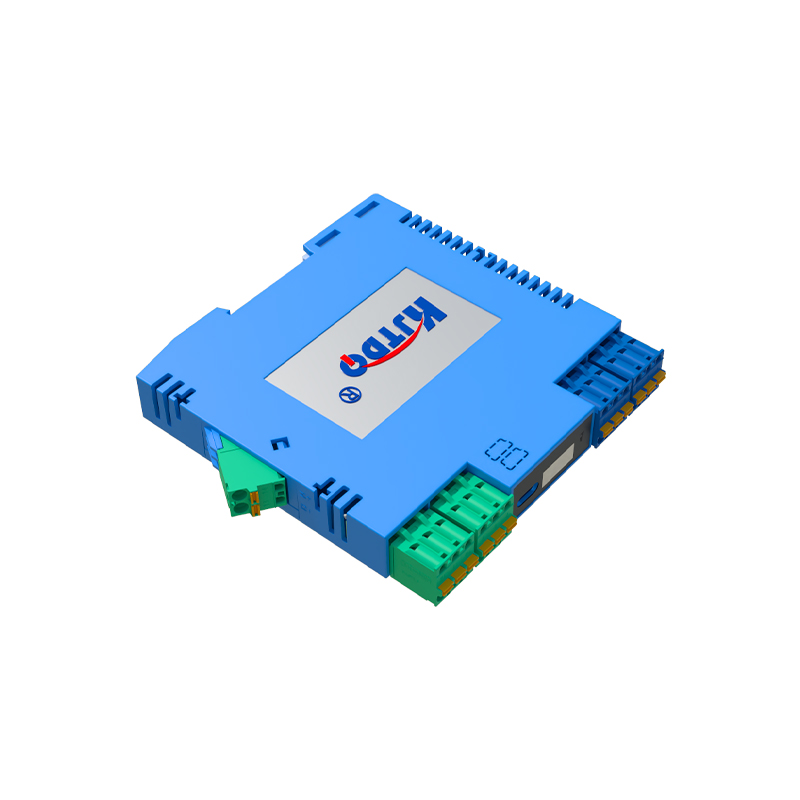
Key technical specifications define the NBN8's performance. It commonly features an 8mm diameter sensing distance, a standard that offers an optimal balance between detection range and physical size for compact installations. The housing is typically constructed from nickel-plated brass or stainless steel, providing exceptional resistance to corrosion, oils, and coolants. Many variants boast an IP67 or IP68 ingress protection rating, making them dust-tight and capable of withstanding temporary or prolonged immersion in water. This ruggedness is essential for harsh industrial environments. Electrical configurations are versatile, with options for NPN (sinking) or PNP (sourcing) outputs in normally open (NO) or normally closed (NC) modes, allowing for easy integration into diverse control systems, including PLCs (Programmable Logic Controllers). Operating voltage ranges are broad, often from 10-30V DC, ensuring compatibility with standard industrial power supplies.
The advantages of deploying NBN8 sensors are manifold. Their high switching frequency enables detection of rapidly moving parts on conveyor belts or rotating machinery. Exceptional repeat accuracy guarantees consistent performance in positioning tasks. Being self-contained with no moving parts, they require minimal maintenance. Furthermore, their inherent resistance to environmental factors like vibration, dirt, and moisture translates to reduced downtime and increased overall equipment effectiveness (OEE).
Typical applications are extensive. In automated machining centers, NBN8 sensors verify the presence of a tool in the spindle or detect the position of a workpiece on a fixture. Within automated packaging machinery, they count bottles, detect foil seals, or control the filling level. In material handling, they are used for pallet positioning, elevator control, and robotic arm end-effector sensing. The automotive industry relies on them for robotic welding seam tracking, part verification on assembly lines, and door closure detection.
Selecting the right NBN8 model requires careful consideration. Engineers must first identify the target material. Standard models are optimized for steel, while versions with reduced sensing factors are available for aluminum, copper, or brass. The mounting style is crucial; flush-mountable models can be installed without a lateral clearance, whereas non-flush types require space around the sensor. The required sensing distance, environmental conditions (temperature, potential chemical exposure), and electrical interface must all align with the application's specifics. Proper installation is key: ensuring correct alignment with the target, securing connections with shielded cables in electrically noisy environments, and adhering to specified tightening torques to avoid damaging the housing.
Troubleshooting common issues often involves a systematic approach. If a sensor fails to detect a target, verify the power supply voltage, check for excessive buildup of debris on the sensing face, and confirm that the target is within the specified sensing range and is of the correct material. False triggering can sometimes be caused by nearby metal objects or strong electromagnetic interference; increasing the mounting distance or using a sensor with a shorter range may resolve this. Regular preventive maintenance, including visual inspection and cleaning of the sensing surface, helps sustain optimal performance over years of service.
In conclusion, the NBN8 proximity switch sensor is a robust, versatile, and indispensable component in the industrial automation toolkit. Its design embodies a deep understanding of the challenges present on the factory floor. By offering reliable non-contact detection in a compact and rugged form factor, it contributes significantly to enhancing productivity, ensuring safety, and enabling the sophisticated, interconnected systems that define Industry 4.0. For any engineer designing, maintaining, or optimizing an automated process, a thorough knowledge of the capabilities and applications of the NBN8 series is a valuable asset.