In the rapidly evolving landscape of industrial automation, short-type proximity sensors have emerged as critical components for ensuring precision, reliability, and efficiency. These compact devices, typically designed for detection ranges under 10 mm, are engineered to operate in demanding environments where space constraints and accuracy are paramount. Unlike standard inductive or capacitive sensors, short-type variants offer enhanced sensitivity to minute positional changes, making them indispensable in applications such as robotic assembly, semiconductor manufacturing, and high-speed packaging lines.
The core technology behind short-type proximity sensors lies in their ability to detect metallic or non-metallic objects without physical contact. Utilizing high-frequency oscillation or magnetic field principles, these sensors generate an electromagnetic field that reacts to the presence of a target. When an object enters the sensing range, the field is disrupted, triggering an output signal. This non-contact operation eliminates mechanical wear, reduces maintenance costs, and extends operational lifespans—key advantages in industries where downtime is costly.
Manufacturers of short-type proximity sensors prioritize robust construction to withstand harsh conditions. Housing materials like stainless steel, PBT plastic, or nickel-plated brass provide resistance to moisture, chemicals, and temperature fluctuations. Advanced models incorporate IP67 or IP69K ratings, ensuring functionality in washdown environments common in food processing or pharmaceutical sectors. Additionally, embedded diagnostics and IO-Link compatibility enable real-time monitoring, allowing for predictive maintenance and seamless integration into Industry 4.0 frameworks.
Selecting the appropriate short-type proximity sensor requires careful consideration of technical parameters. Key factors include sensing distance, response time, output type (e.g., PNP/NPN), and supply voltage. For instance, in automated machining centers, sensors with sub-millisecond response times prevent collisions by detecting tool positions accurately. In contrast, applications involving non-ferrous materials may demand capacitive sensors capable of identifying plastics or liquids. Engineers must also account for environmental interferences, such as electromagnetic noise or adjacent metal surfaces, which can affect performance.
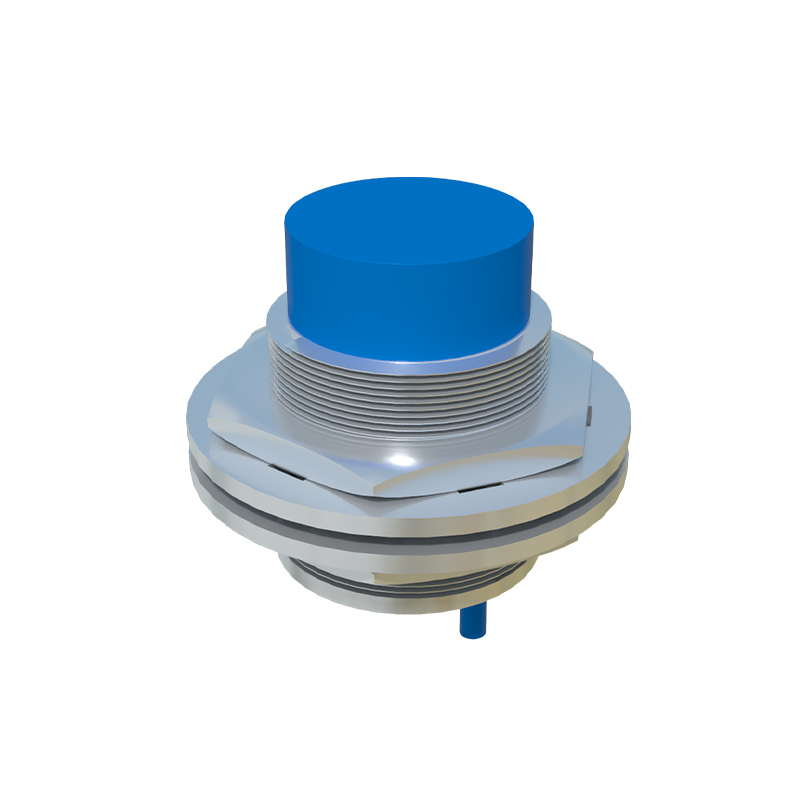
Innovation in this field continues to drive miniaturization and smart features. Recent developments include ultra-thin sensors for tight spaces, such as those used in electronic component placement, and hybrid designs that combine proximity sensing with temperature or pressure monitoring. Leading manufacturers invest in R&D to enhance energy efficiency and wireless connectivity, supporting the trend toward decentralized control systems. As automation expands into sectors like electric vehicle production and renewable energy, the demand for high-precision short-type sensors is projected to grow significantly.
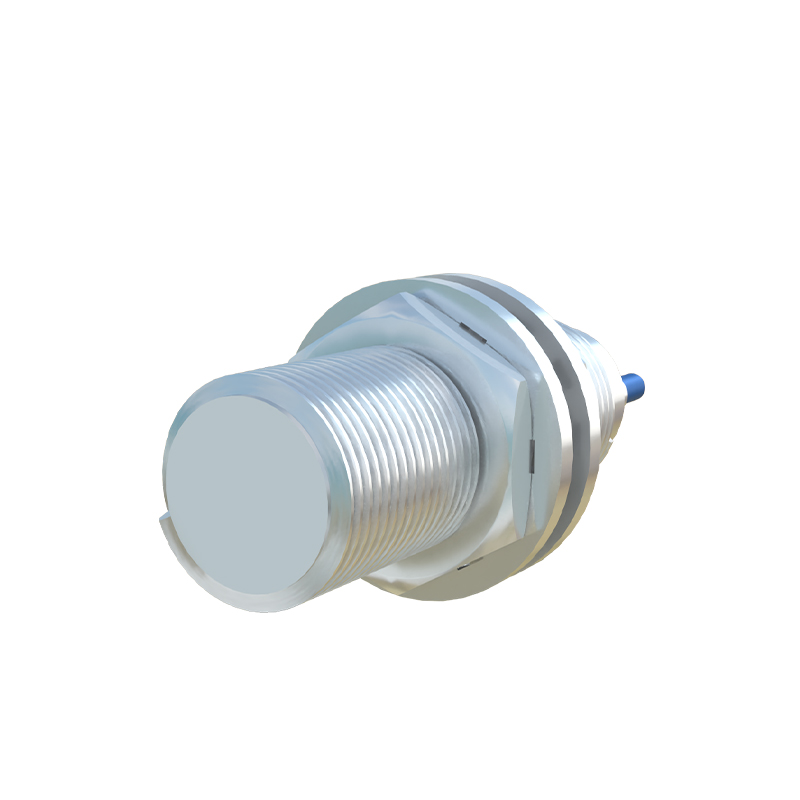
In conclusion, short-type proximity sensors represent a fusion of precision engineering and practical innovation. Their role in enabling safe, efficient, and adaptable automation solutions underscores their importance in modern manufacturing. By leveraging advanced materials, intelligent interfaces, and tailored designs, these sensors help industries achieve higher productivity while meeting stringent quality standards. For engineers and system integrators, staying informed about technological advancements is essential to optimizing application outcomes and maintaining competitive edge.