In the intricate ecosystem of industrial automation, proximity sensors stand as silent sentinels. These non-contact detection devices are fundamental to countless processes, from assembly line sequencing and robotic guidance to safety interlocks and material handling. Their role is deceptively simple: to detect the presence or absence of an object within a defined field without physical contact. Yet, the failure of a single sensor can cascade into costly production downtime, quality defects, or even safety incidents. This underscores the critical importance of a dedicated, expert Proximity Sensor Service Center—a hub not just for repair, but for holistic lifecycle support.
A premier Proximity Sensor Service Center transcends the conventional model of a repair depot. It embodies a partnership focused on maximizing uptime and optimizing sensor performance. The core service begins with advanced diagnostics. Utilizing calibrated test equipment that simulates real-world operating conditions, technicians can pinpoint failures with precision. Issues range from degraded sensing ranges due to environmental contamination (oil, metal chips, coolant) and internal component fatigue to wiring faults and compatibility problems with controllers. A systematic diagnostic approach distinguishes between a repairable unit and one requiring replacement, providing clients with clear, cost-effective recommendations.
The repair and recalibration process is where engineering expertise shines. For inductive sensors, this may involve replacing oscillator coils or output circuits. For capacitive sensors, it might mean recalibrating the dielectric constant sensitivity. Specialized centers handle a broad spectrum: standard inductive and capacitive models, ultrasonic sensors, magnetic sensors (like reed switches or Hall-effect), and even sophisticated analog or IO-Link enabled devices. Each repair is followed by rigorous testing against original equipment manufacturer (OEM) specifications for sensing distance, hysteresis, response frequency, and environmental resilience (IP rating, temperature tolerance).
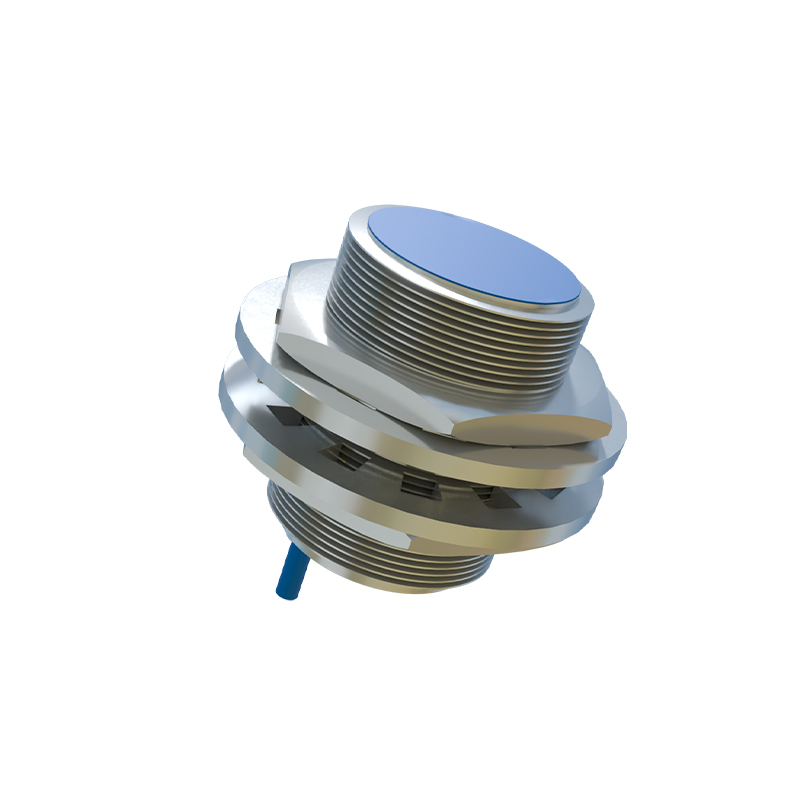
However, the value proposition extends far beyond the workbench. A comprehensive service center offers critical ancillary services. Sensor parameterization and programming, especially for smart sensors, ensure seamless integration into existing networks. Bypass and simulation tools allow maintenance teams to safely troubleshoot machinery without sensor input. Perhaps most valuable is the technical consultancy provided. Engineers can analyze application failures, recommending alternative sensor technologies (e.g., switching from inductive to capacitive for non-metallic object detection) or mounting solutions to overcome challenges like mutual interference between adjacent sensors.
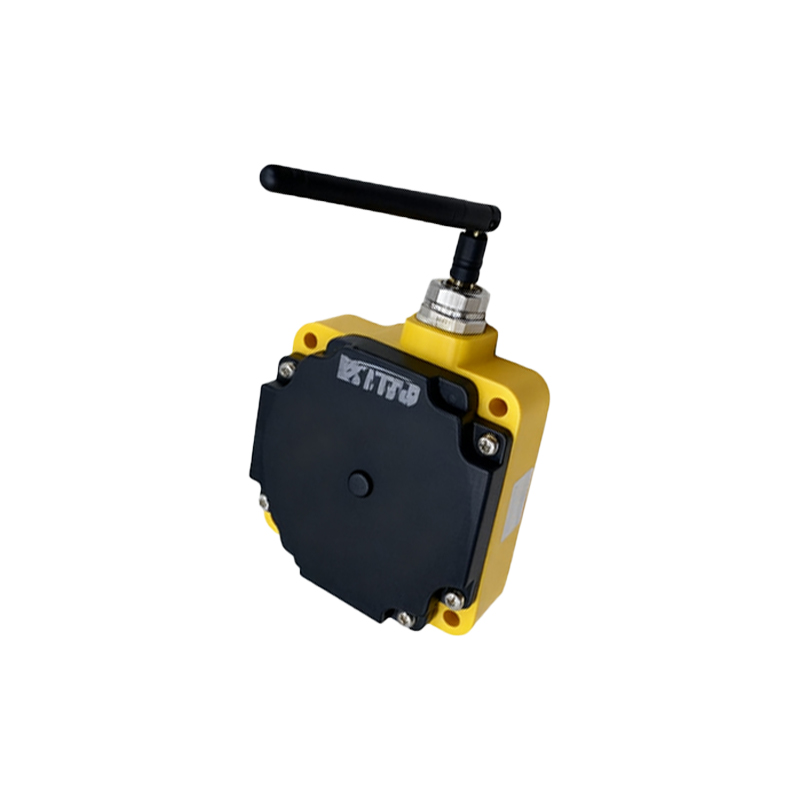
Inventory management support is another key pillar. By partnering with a service center that stocks a wide range of OEM and high-quality generic parts, facilities can reduce their capital tied up in spare parts inventory. The service center acts as an on-demand inventory, offering loaner units or rapid exchange programs to minimize machine downtime. This just-in-time support model is crucial for lean manufacturing operations.
The operational environment of industrial sensors is often harsh. Exposure to extreme temperatures, mechanical vibration, corrosive chemicals, and electromagnetic interference (EMI) are common. A proficient service center conducts failure mode and effects analysis (FMEA), providing clients with actionable insights into root causes. This may lead to recommendations for upgraded sensor housings, different shielding techniques, or protective accessories like mounting brackets and sensing face guards. This proactive advice prevents recurring failures, enhancing overall system reliability.
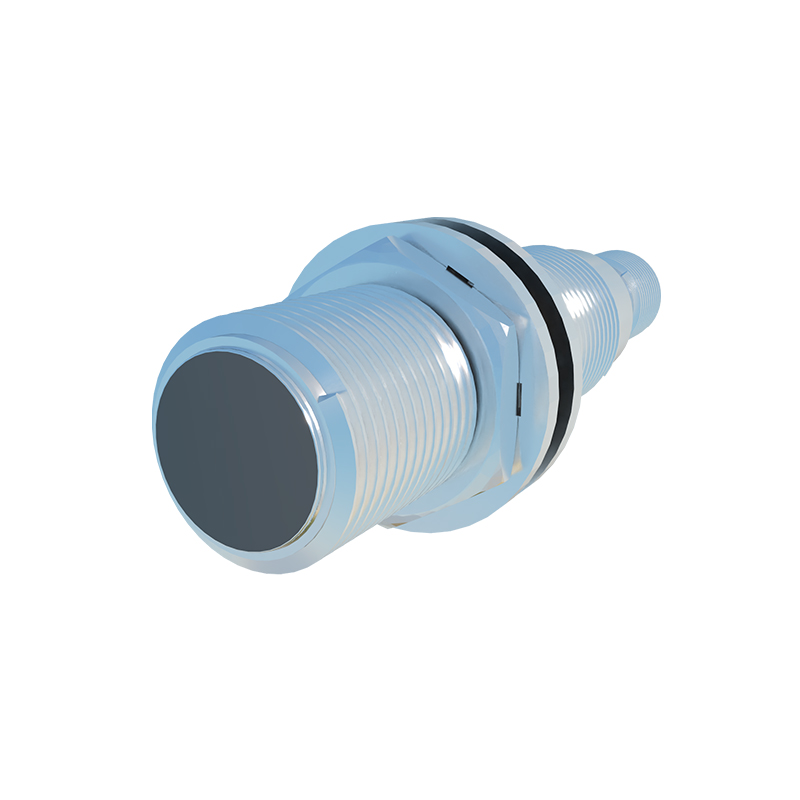
Training forms an essential component of a full-service center. Offering workshops on sensor selection, installation best practices, wiring techniques, and network integration empowers client maintenance personnel. An educated technician is better equipped to perform first-line diagnostics, proper installation (critical for achieving stated sensing ranges), and preventive maintenance, such as regular cleaning of sensor faces.
In today's connected industry landscape, service centers leverage digital tools for enhanced support. Remote diagnostics, detailed service reports with historical data, and online tracking of repair orders provide transparency and efficiency. These digital records create a valuable history for each asset, informing predictive maintenance schedules.
Ultimately, engaging with a specialized Proximity Sensor Service Center is a strategic decision for operational excellence. It ensures that these critical components are maintained, repaired, and optimized by specialists with deep domain knowledge. The focus shifts from a reactive "fix-it-when-it-breaks" approach to a proactive partnership aimed at maximizing mean time between failures (MTBF) and ensuring the seamless, precise, and reliable operation that modern automated systems demand. In the relentless pursuit of productivity and quality, the service center becomes an indispensable ally, safeguarding the uninterrupted flow of production through the assured performance of its smallest yet most vital components.