In the rapidly evolving landscape of industrial automation and smart systems, the role of proximity sensors is foundational. These devices, which detect the presence or absence of an object without physical contact, are critical for ensuring efficiency, safety, and precision. However, not all proximity sensors are created equal. A high-quality proximity sensor distinguishes itself through a combination of superior engineering, robust construction, and reliable performance under demanding conditions. Understanding what constitutes quality in this domain is essential for engineers and procurement specialists aiming to optimize their systems.
The core of a premium proximity sensor lies in its sensing technology. Inductive, capacitive, and photoelectric are the primary types, each with distinct advantages. High-quality inductive sensors, for instance, are engineered with advanced coil designs and oscillation circuits to provide exceptional stability in detecting metallic objects, even in the presence of contaminants like oil or coolant. They offer precise switching points and minimal hysteresis, ensuring repeatable accuracy. Similarly, top-tier capacitive sensors are designed with sophisticated compensation algorithms to ignore environmental factors like humidity, focusing reliably on the target material. The choice of technology must align with the application, but quality is evidenced by the sensor's ability to perform its designated task consistently without false triggers.
Durability and environmental resilience are non-negotiable hallmarks of quality. Industrial environments are harsh, subjecting equipment to extreme temperatures, mechanical vibrations, chemical exposure, and electromagnetic interference. A high-quality proximity sensor features a housing typically made from stainless steel (e.g., V4A/AISI 316L) or high-grade PBT plastic, offering superior resistance to corrosion and impact. The sensing face is often protected by a robust material like PTFE or ceramic to withstand abrasive wear. Furthermore, ingress protection ratings of IP67, IP68, or IP69K are standard for quality sensors, guaranteeing functionality when exposed to dust, high-pressure water jets, or temporary immersion. Electrical robustness is equally critical, with features like short-circuit protection, reverse polarity protection, and high immunity to voltage spikes ensuring longevity and reducing downtime.
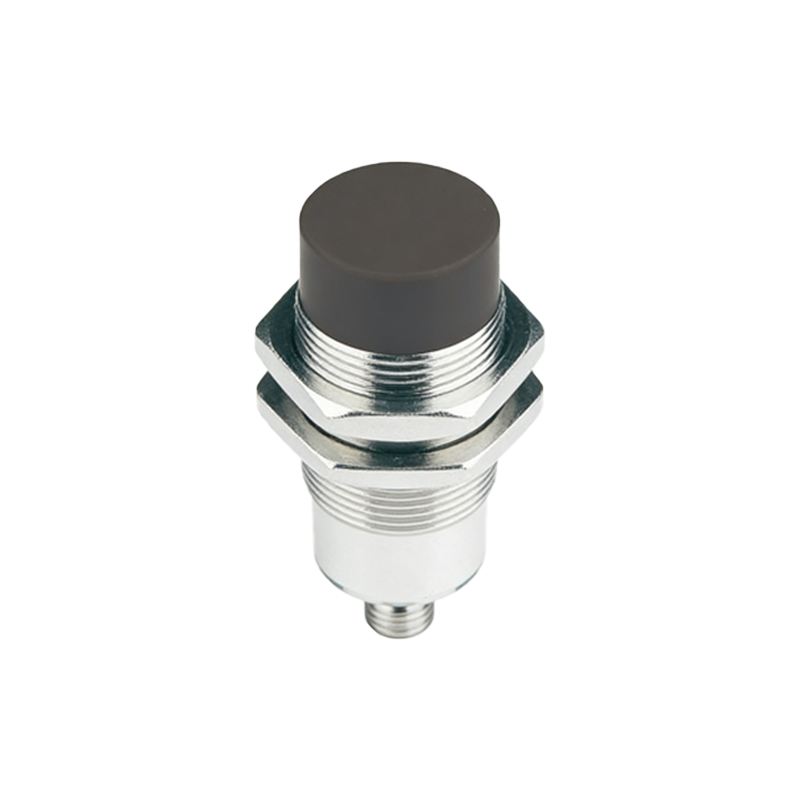
Performance specifications tell a compelling story of quality. Key parameters include sensing range, repeat accuracy, response frequency, and temperature stability. A quality sensor provides a generous operating distance relative to its nominal sensing range (Sn), often with a built-in safety margin. Its repeat accuracy—the ability to trigger at the exact same point repeatedly—is measured in micrometers, not millimeters. High-speed applications demand a fast response frequency, sometimes exceeding 5 kHz, allowing the sensor to keep pace with rapidly moving parts on a production line. Additionally, minimal temperature drift ensures that the sensor's performance remains consistent from sub-zero cold storage to the heat of a welding cell.
Integration and smart features are increasingly defining the modern high-quality sensor. Advanced models come with IO-Link communication capability, transforming them from simple binary switches into intelligent data points on the Industrial Internet of Things (IIoT) network. IO-Link allows for remote parameter configuration, real-time diagnostics (monitoring operating temperature, signal strength, or switch cycle counts), and predictive maintenance alerts. This digital transparency reduces commissioning time, simplifies troubleshooting, and prevents unexpected failures. Other smart features may include programmable switching outputs, teach-in functionality for easy setup, and LED indicators that provide clear status information.
The application spectrum for high-quality proximity sensors is vast. In automotive manufacturing, they ensure robotic arms position components with micron-level precision. In packaging machinery, they detect the presence of bottles or boxes on high-speed conveyors, triggering filling or labeling operations. In metalworking, they provide precise position feedback for CNC tool changers. In food and beverage processing, sensors with hygienic designs and appropriate material certifications prevent contamination. Ultimately, investing in a high-quality proximity sensor is not merely a component purchase; it is an investment in system reliability, reduced maintenance costs, and enhanced overall equipment effectiveness (OEE). By prioritizing factors like sensing technology, construction integrity, precise performance, and smart connectivity, engineers can select sensors that form the dependable backbone of any automated process, delivering value far beyond their initial cost.
