In the world of industrial automation, robotics, and smart devices, proximity sensors are the silent sentinels, detecting the presence or absence of objects without physical contact. Their performance, however, is not solely dependent on the sensor unit itself. The often-overlooked heroes are the high-quality accessories that surround them. These components are critical for ensuring accurate detection, long-term reliability, and seamless integration into complex systems. Investing in superior accessories is not an added cost but a strategic decision that safeguards the entire sensing application.
The cornerstone of any reliable proximity sensor installation is its mounting hardware. Quality brackets, nuts, and mounting bases provide secure and vibration-resistant fixation. In high-vibration environments like assembly lines or heavy machinery, a poorly mounted sensor can shift, leading to inconsistent detection ranges and false triggers. Premium-grade stainless steel or anodized aluminum mounting hardware resists corrosion and maintains dimensional stability, ensuring the sensor's sensing face remains precisely positioned over thousands of operational cycles. For cylindrical sensors, high-tensile locknuts prevent loosening, while adjustable brackets allow for fine-tuning of the sensor's angle and position during setup and maintenance.
Wiring and connectivity form the nervous system of the sensor. This is where cable glands, connectors, and pre-wired cables of exceptional quality make a profound difference. Industrial settings expose sensors to oil, coolants, dust, and moisture. A high-IP-rated cable gland (e.g., IP67, IP69K) creates a hermetic seal at the sensor's entry point, preventing contaminants from compromising internal electronics. Similarly, ruggedized connectors with gold-plated contacts ensure low-resistance, stable electrical connections that are immune to oxidation. For applications requiring frequent flexing, such as on robotic arms, using cables with specially formulated PUR or TPE jackets is essential. These materials offer superior resistance to abrasion, oils, and repeated bending, preventing wire breakage and signal loss that can plague standard PVC cables.
Signal conditioning and interface modules are another category of vital accessories. Not all control systems speak the same language. A high-quality signal converter or amplifier can transform a sensor's PNP/NPN output into a protocol suitable for PLCs, analog inputs (0-10V, 4-20mA), or even IO-Link digital communication. These devices often provide additional functionalities like adjustable switching delays, teach-in functions for range setting, and diagnostic LEDs. By using a reliable interface module, system integrators can standardize sensor types across a plant, simplify troubleshooting, and add a layer of protection against voltage spikes or electrical noise present on factory floors.
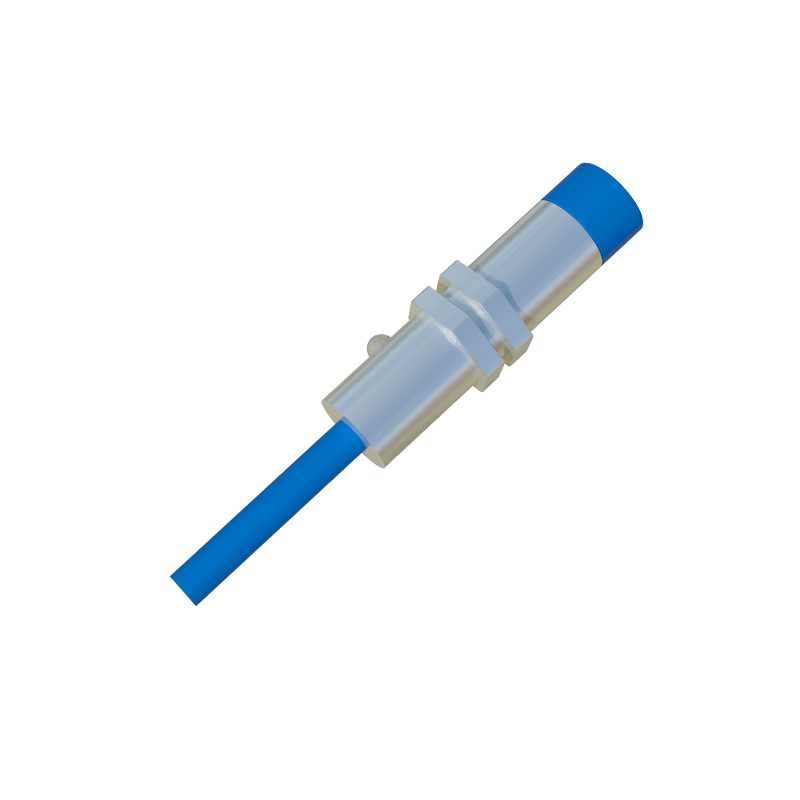
Protective accessories directly extend the operational life of the sensor itself. Sensing face protectors, typically made from durable plastics like PBT or PVDF, shield the active surface from physical impact, weld spatter, or buildup of sticky materials. For inductive sensors detecting metals, a protective cap can prevent metal chips from adhering to the face and altering the sensing characteristics. In extremely harsh environments, such as foundries or wash-down areas in food processing, fully encapsulated stainless steel housings are available. These sleeves protect the entire sensor body from extreme temperatures, high-pressure jets, and corrosive chemicals, allowing standard sensors to perform in conditions they were never designed to withstand alone.
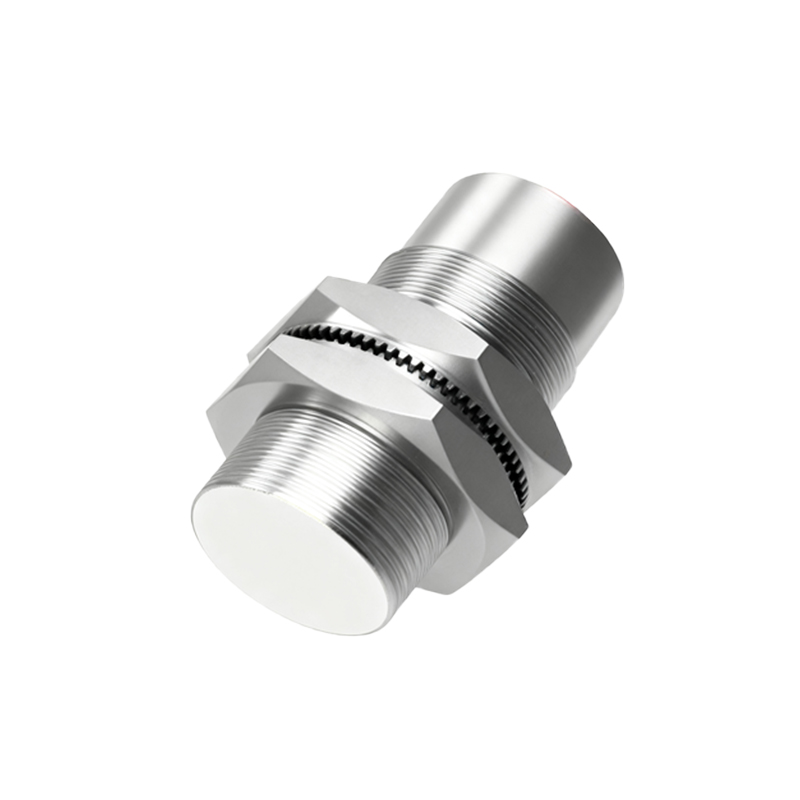
Finally, the importance of testing and alignment tools cannot be overstated. During installation and maintenance, using a precise setting gauge or a manufacturer-recommended test target ensures the sensor is calibrated to its specified nominal sensing distance. This is crucial for applications with tight tolerances. Diagnostic tools, like portable testers that simulate target presence, allow technicians to quickly isolate faults between the sensor, wiring, and controller without halting production.
In conclusion, the ecosystem of accessories surrounding a proximity sensor is integral to its success. From robust mounting and sealed connections to intelligent interfaces and physical protection, each component plays a role in maximizing uptime, accuracy, and total cost of ownership. Specifying high-quality proximity sensor accessories is a definitive step towards building resilient, efficient, and fail-safe automated systems. It transforms a simple component into a dependable and long-lasting solution.