In the intricate world of industrial automation, the seamless integration of components is paramount. Among these critical connections, the proximity switch sensor jack plays a surprisingly vital role. Often overlooked as a simple connector, this interface is the crucial link between a sensitive sensing device and the broader control system, ensuring reliable signal transmission in demanding environments. Understanding its function, types, and selection criteria is essential for engineers and maintenance personnel aiming to optimize machine performance and minimize downtime.
A proximity switch sensor jack is essentially the female receptacle designed to receive the connector from a proximity sensor. These sensors, which detect the presence or absence of an object without physical contact, output a discrete signal. The jack's primary function is to provide a secure, electrically sound, and often environmentally protected termination point for this signal wire. It channels the sensor's output—typically a DC voltage signal indicating "on" or "off"—to a programmable logic controller (PLC), relay, or other input module. Without a proper jack, the installation becomes unreliable, prone to signal loss, electrical noise, or physical damage to the sensor's wiring.
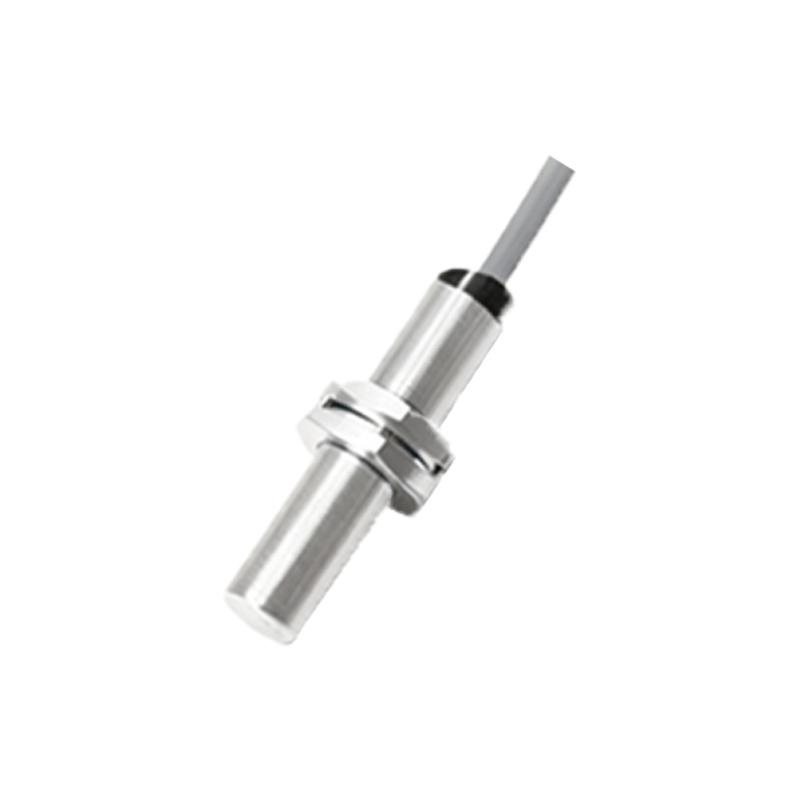
The design and specifications of these jacks vary significantly based on application needs. A primary differentiator is the number of pins or wires. Two-wire sensors are common and simpler, combining power and signal in one loop, while three-wire and four-wire sensors provide separate lines for power supply, ground, and signal output (often both normally open and normally closed). The jack must match this configuration precisely. Connector types are also standardized; M8 and M12 circular connectors are the industry workhorses, with M12 being particularly prevalent for factory automation. These are characterized by their metric thread size and come in 3-pin, 4-pin, or even 5-pin variants to accommodate different sensor functionalities.
Material and ingress protection (IP) ratings are critical selection factors. Jack housings are typically made from robust plastics like PBT or durable metals such as nickel-plated brass, offering resistance to oils, coolants, and mechanical impact. The IP rating, such as IP67 or IP69K, indicates the level of protection against dust and water. A jack rated IP67 can withstand temporary immersion, making it suitable for washdown areas in food processing or automotive plants. Furthermore, many jacks feature LED indicators. A small built-in LED illuminates when the connected sensor is active, providing immediate visual confirmation of the sensor's state at the connection point, which is invaluable for troubleshooting.
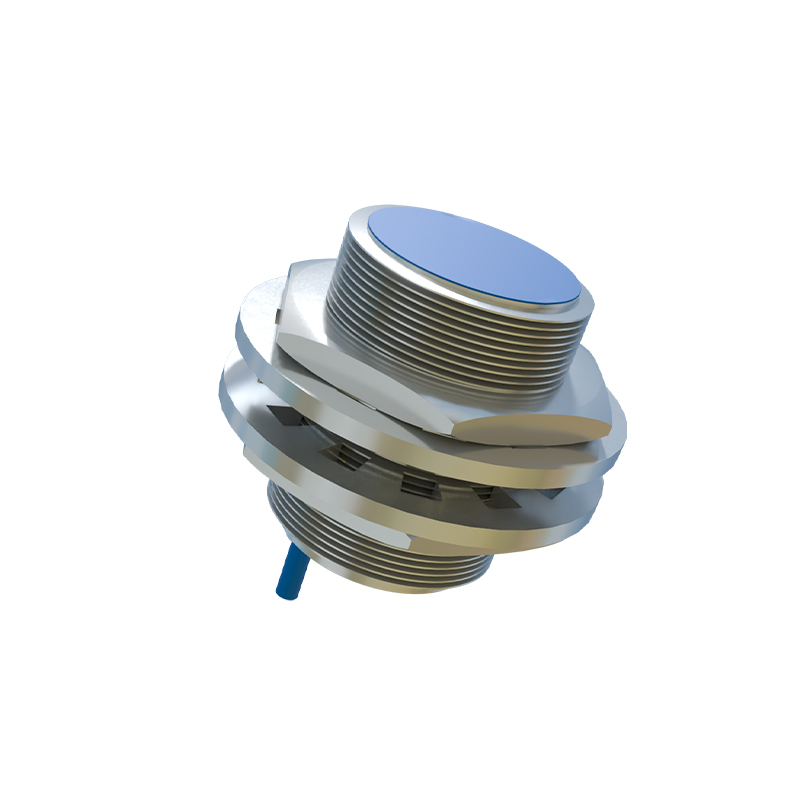
The installation and wiring process, while straightforward, demands attention to detail. Most sensor jacks use a screw-clamp or spring-cage termination method for the individual wires. Proper stripping length and secure tightening are essential to prevent loose connections that cause intermittent failures. The jack is then mounted into a panel, a distribution box, or directly onto a machine sub-panel. Using pre-assembled cable assemblies with molded jacks can enhance reliability and speed up installation, reducing the risk of wiring errors. For modular systems, jacks are often integrated into multi-port junction boxes or I/O blocks, allowing for the centralized connection of multiple sensors, which simplifies cabling and maintenance.
Common challenges often stem from mismatches or environmental factors. Using an M8 jack for an M12 sensor connector is an obvious physical mismatch, but subtler issues include pin-count incompatibility or voltage rating mismatches. Corrosion in humid environments can degrade contacts, while electromagnetic interference in areas with heavy motor or welding equipment can induce noise in the signal. Selecting a jack with appropriate shielding and ensuring proper grounding of the connector housing can mitigate these issues. Regular maintenance should include checking for physical damage, clean contacts, and ensuring the locking mechanism (usually a threaded collar) is securely fastened to prevent vibration-induced disconnection.
In conclusion, the proximity switch sensor jack is far more than a passive port. It is an active component ensuring system integrity. Selecting the correct jack—matching its pin configuration, thread size, material, and protection rating to the sensor and the operating environment—is a fundamental step in designing a resilient automation system. By giving this component due consideration, professionals can ensure that the critical data from the sensing point reaches the control system reliably, thereby enhancing overall equipment effectiveness, safety, and operational continuity in modern industrial settings.