In the realm of industrial automation and control systems, proximity sensors play a pivotal role in detecting the presence or absence of objects without physical contact. Among the various types, shielding-type proximity sensors, also known as shielded or flush-mountable sensors, stand out for their unique operational principle and application advantages. This article delves into the fundamental working mechanism of these sensors, exploring their design, functionality, and typical use cases in electrical engineering contexts.
At its core, a shielding-type proximity sensor operates based on electromagnetic induction. It consists of a coil wound around a ferrite core, an oscillator circuit, a detection circuit, and an output stage. The sensor is typically housed in a metal casing that extends around the sensing face, which is key to its "shielding" characteristic. This metal shield confines the electromagnetic field generated by the oscillator to the front of the sensor, preventing lateral dispersion. When powered, the oscillator produces a high-frequency alternating magnetic field at the sensing face. In the absence of a target object, this field remains stable, and the sensor's output state is unchanged.
The detection principle hinges on eddy current losses. When a conductive target object (such as metal) enters the sensor's effective sensing range, eddy currents are induced on the surface of the target due to the alternating magnetic field. These eddy currents draw energy from the oscillator, causing a reduction in oscillation amplitude. The detection circuit monitors this amplitude change. Once the amplitude drops below a predefined threshold—indicating the target is within the specified sensing distance—the output circuit triggers a state change, typically switching from open to closed (or vice versa) in a digital output sensor. This output signal can then be used to control machinery, initiate processes, or provide feedback to a programmable logic controller (PLC).
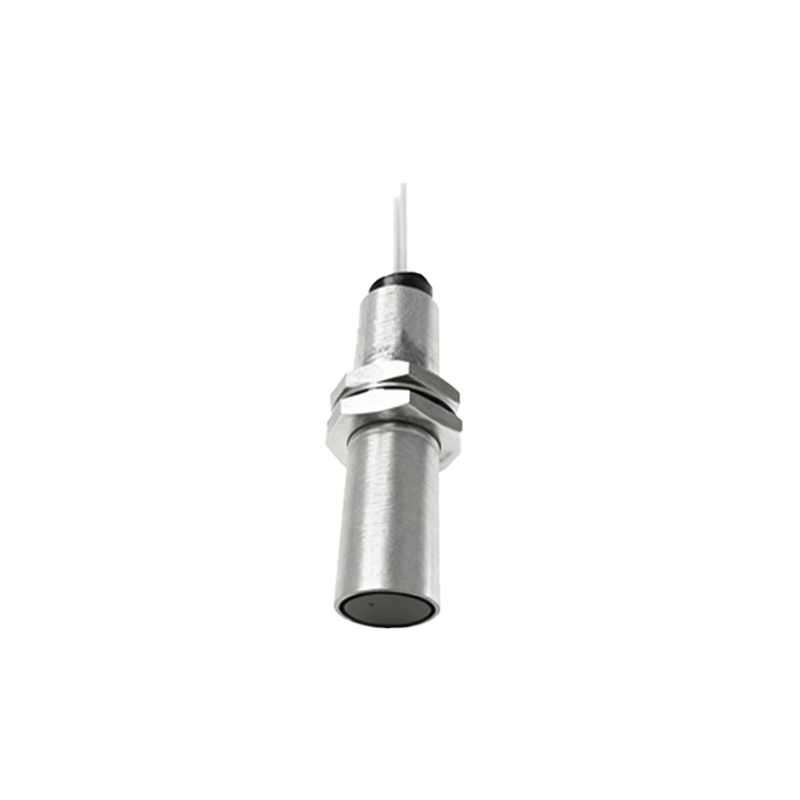
A defining feature of shielding-type sensors is their ability to be mounted flush with metal surfaces without false triggering. The surrounding metal shield prevents the electromagnetic field from interacting with adjacent metallic structures, making them ideal for embedded installations where space is constrained or where sensors must be recessed into mounting brackets. In contrast, non-shielding (unshielded) sensors have a more extended field and require clearance from surrounding metals to avoid interference. This makes shielding-type sensors preferable in dense industrial setups, such as automated assembly lines, robotic arms, or machine tools, where precise, reliable detection is critical.
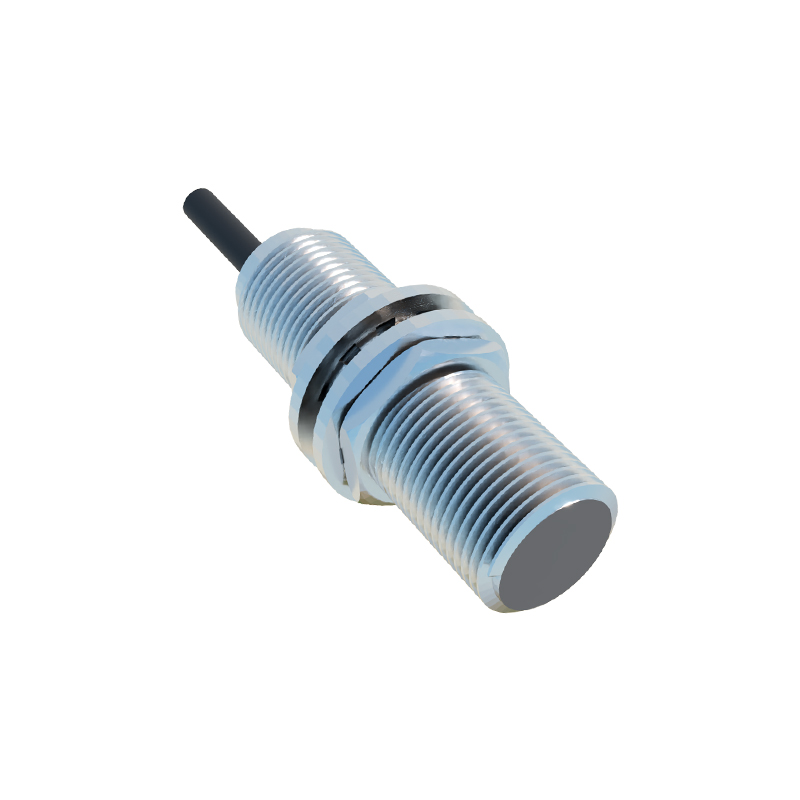
The sensing range of these sensors is generally shorter than that of non-shielding types, often limited to a few millimeters to tens of millimeters, depending on the sensor size and target material. They are primarily designed for ferrous and non-ferrous metals, with detection capabilities varying based on material conductivity and permeability. For instance, steel typically yields a longer sensing distance compared to aluminum or copper due to higher magnetic permeability. Some advanced models incorporate compensation circuits to normalize detection across different metals, enhancing versatility.
In practical applications, shielding-type proximity sensors are widely used for position detection, limit switching, counting, and safety interlocking. Examples include detecting the presence of a metal part on a conveyor belt, verifying the closure of a machine guard, or monitoring the position of a cylinder in pneumatic systems. Their robust construction, often rated for IP67 or higher ingress protection, allows them to withstand harsh environments involving dust, moisture, and vibration. Additionally, they offer high switching frequencies, enabling rapid response in high-speed automation processes.
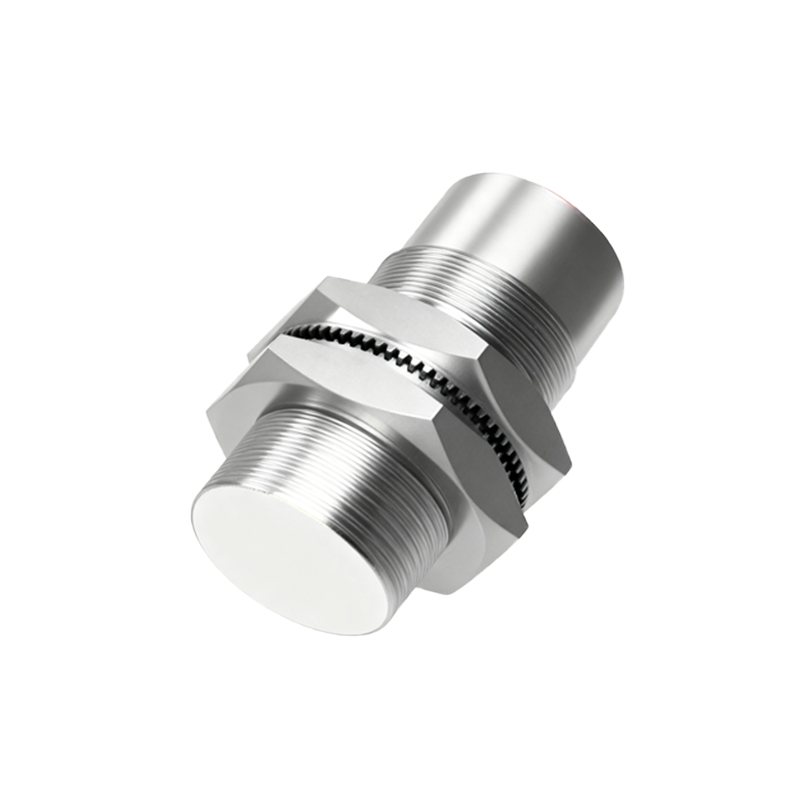
When selecting a shielding-type sensor, engineers must consider factors such as sensing distance, target material, output type (e.g., NPN, PNP, or analog), supply voltage, and environmental conditions. Proper installation is crucial: the sensor should be mounted securely with no gaps between the shield and the mounting surface to ensure optimal performance. Regular maintenance, including cleaning the sensing face to remove debris, helps prevent false readings and extends sensor lifespan.
In summary, shielding-type proximity sensors leverage electromagnetic shielding to deliver reliable, non-contact detection in metal-intensive settings. Their principle of operation—centered on eddy current induction and amplitude modulation—provides a robust solution for modern industrial automation. By understanding these fundamentals, electrical professionals can effectively integrate these sensors into control systems, enhancing efficiency and safety across diverse applications.