In the realm of industrial automation, proximity sensors have emerged as indispensable components, revolutionizing how machines interact with their environments. These non-contact sensors detect the presence or absence of objects within a specified range, enabling precise control and monitoring without physical touch. Their applications span across various industries, including manufacturing, automotive, packaging, and robotics, where they contribute to enhanced efficiency, safety, and reliability.
Proximity sensors operate on different principles, such as inductive, capacitive, ultrasonic, and photoelectric technologies. Inductive sensors, for instance, are ideal for detecting metallic objects by generating an electromagnetic field. When a metal target enters this field, it induces eddy currents, causing a change in the sensor's output signal. This makes them perfect for harsh environments with dust, oil, or moisture, as they are sealed and resistant to contamination. In automotive assembly lines, inductive sensors ensure accurate positioning of parts, such as engine components or chassis elements, reducing errors and downtime.
Capacitive sensors, on the other hand, can detect both metallic and non-metallic materials, including liquids, plastics, and glass. They work by measuring changes in capacitance when an object approaches the sensor's electrostatic field. This versatility makes them valuable in food processing or pharmaceutical industries, where they monitor fill levels in containers or detect packaging materials. For example, in bottling plants, capacitive sensors verify that bottles are correctly filled, preventing waste and ensuring product quality.
Ultrasonic sensors use sound waves to detect objects, making them suitable for challenging conditions like transparent or irregularly shaped items. They emit high-frequency pulses and measure the time taken for echoes to return, calculating distance accurately. In logistics and warehousing, ultrasonic sensors assist in palletizing and inventory management by detecting stack heights or guiding autonomous vehicles. Their ability to function in dusty or foggy environments adds to their robustness in outdoor applications.
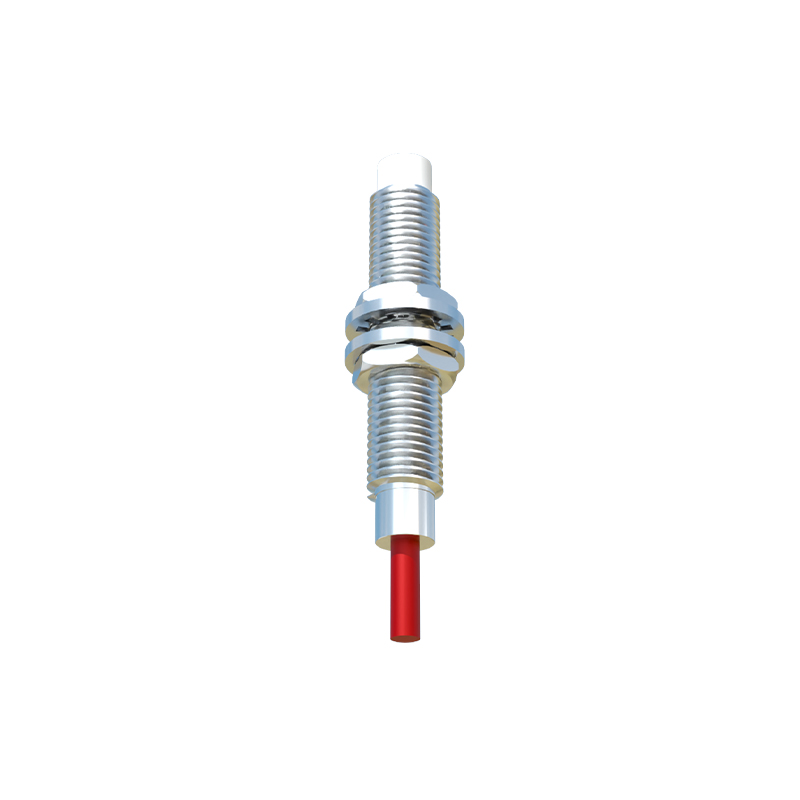
Photoelectric sensors rely on light beams to sense objects, offering long-range detection and high speed. They come in through-beam, retro-reflective, and diffuse reflection types, each suited for specific tasks. In packaging machinery, photoelectric sensors ensure labels are applied correctly or boxes are sealed properly, boosting production throughput. Their precision is critical in electronics manufacturing, where they align circuit boards or inspect components for defects.
The integration of proximity sensors into industrial equipment brings numerous benefits. Firstly, they enhance safety by preventing collisions in automated systems, such as robotic arms or conveyor belts. By detecting obstacles or personnel in hazardous zones, sensors trigger emergency stops or warnings, reducing accident risks. Secondly, they improve efficiency through real-time feedback, allowing machines to adjust operations dynamically. This minimizes manual intervention, cuts energy consumption, and optimizes resource use. In predictive maintenance, sensors monitor equipment wear, signaling when parts need replacement before failures occur, thus avoiding costly breakdowns.
Moreover, proximity sensors support Industry 4.0 initiatives by enabling data collection and connectivity. When paired with IoT platforms, sensor data can be analyzed to optimize processes, predict trends, and facilitate remote monitoring. For instance, in smart factories, sensors track production metrics, helping managers make informed decisions to boost productivity. Their role in automation aligns with global trends toward digital transformation, where seamless machine-to-machine communication drives innovation.
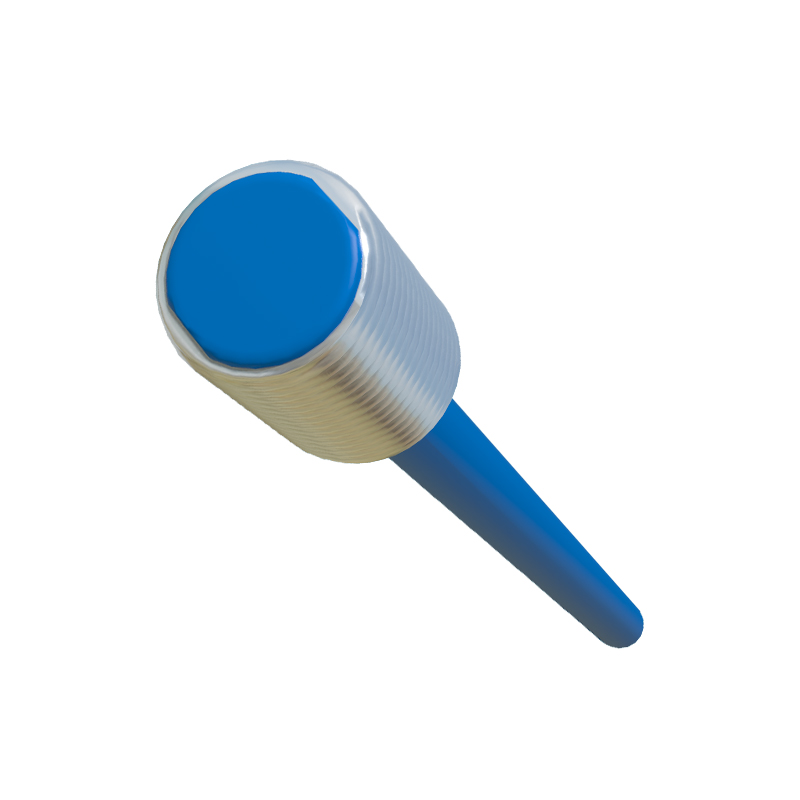
Despite their advantages, selecting the right proximity sensor requires careful consideration of factors like sensing range, environmental conditions, target material, and response time. Engineers must assess application-specific needs to ensure optimal performance. Regular calibration and maintenance are also essential to sustain accuracy over time, as sensor degradation can lead to operational issues.
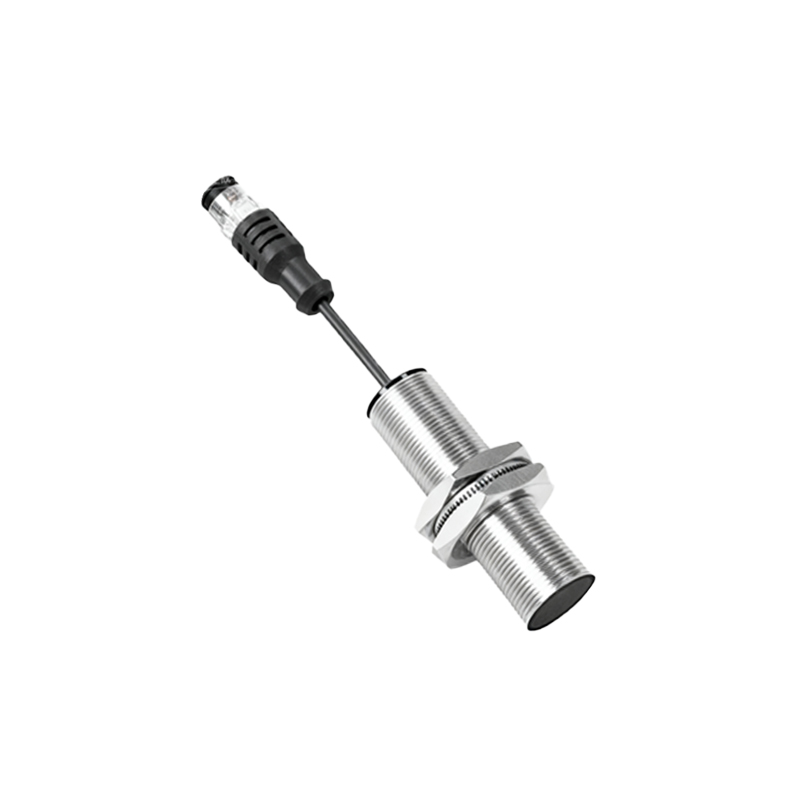
In conclusion, proximity sensors are pivotal in modern industrial settings, offering reliable, non-contact detection that fuels automation and safety. As technology advances, these sensors are becoming more intelligent, compact, and affordable, expanding their use in diverse sectors. By leveraging their capabilities, industries can achieve higher precision, reduced costs, and improved workplace environments, paving the way for a more automated future.