Proximity sensors are indispensable components in modern industrial automation, offering non-contact detection of objects within their sensing range. These devices play a critical role in control systems by providing precise, reliable input signals to programmable logic controllers (PLCs), robotic controllers, and other automation hardware. Unlike mechanical limit switches, proximity sensors operate without physical contact, thereby reducing wear and tear, minimizing maintenance needs, and enhancing system longevity.
The core principle behind inductive, capacitive, ultrasonic, and photoelectric proximity sensors involves generating an electromagnetic field or beam and detecting changes caused by the presence of a target object. Inductive sensors, for instance, are ideal for detecting metallic objects and are widely used in metal fabrication, automotive assembly, and conveyor systems. Capacitive sensors can detect both metallic and non-metallic materials, including liquids and granular substances, making them suitable for food processing, pharmaceutical packaging, and material level monitoring.
In motion control applications, proximity sensors serve as precise position feedback devices. They determine the exact location of machine parts, such as robotic arms, linear actuators, or rotating shafts, enabling accurate positioning and repeatable operations. For example, in automated packaging lines, sensors detect the presence of products on conveyors, triggering subsequent actions like labeling, sorting, or sealing. This ensures synchronized operations and prevents jams or misfeeds.
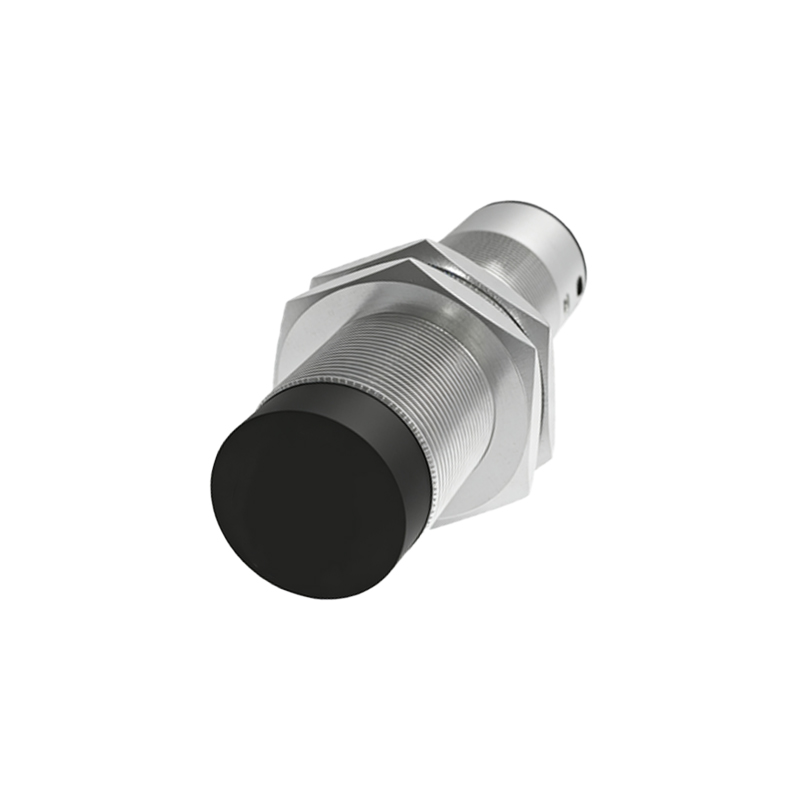
Safety interlocking is another vital application. Proximity sensors monitor guard doors, safety curtains, and access points in machinery. If a door is opened during operation, the sensor immediately signals the control system to halt hazardous movements, protecting personnel from injury. Similarly, in automated guided vehicles (AGVs) and robotics, these sensors provide collision avoidance by detecting obstacles in their path, allowing for real-time navigation adjustments.
Process control heavily relies on proximity sensors for monitoring and regulation. In liquid filling systems, capacitive sensors detect fluid levels in tanks, ensuring accurate fill volumes and preventing overflows. In assembly lines, inductive sensors verify the presence of components like screws, bolts, or electronic parts before proceeding to the next manufacturing stage, thereby maintaining product quality and reducing defects.
The integration of proximity sensors with Industrial Internet of Things (IIoT) platforms has further expanded their capabilities. Smart sensors equipped with digital communication protocols (e.g., IO-Link) provide diagnostic data, such as operating temperature, signal strength, and contamination levels, to supervisory control and data acquisition (SCADA) systems. This facilitates predictive maintenance, where potential failures are identified early, minimizing downtime and optimizing productivity.
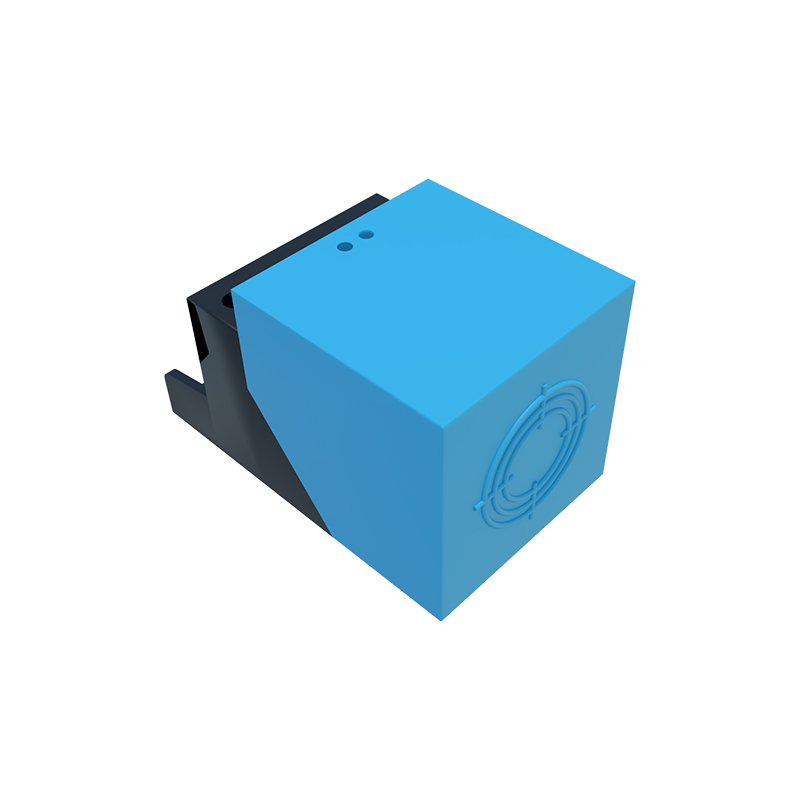
Selecting the appropriate proximity sensor involves considering factors like sensing distance, target material, environmental conditions (e.g., temperature, humidity, and exposure to chemicals), and output type (e.g., NPN, PNP, or analog). Proper installation and shielding are essential to avoid interference from adjacent electrical equipment or metal surfaces, ensuring stable performance.
In summary, proximity sensors are fundamental to industrial control, enabling automation, enhancing safety, and improving efficiency across diverse sectors. Their ability to provide accurate, contactless detection makes them a cornerstone of modern manufacturing, logistics, and process industries, driving advancements toward smarter, more responsive production environments.