In the realm of industrial automation and machinery, precision and reliability are non-negotiable. Among the myriad of components that ensure seamless operation, the 6mm proximity switch sensor stands out as a critical element for detection and control tasks. This compact yet powerful device is engineered to detect the presence or absence of metallic objects without physical contact, making it indispensable in environments where durability and accuracy are paramount.
The 6mm proximity sensor operates primarily on the principle of electromagnetic induction. It generates an oscillating electromagnetic field from its sensing face. When a metallic target enters this field, eddy currents are induced in the target, causing a change in the oscillation amplitude. This change is detected by the sensor's internal circuitry, which then triggers a switching action—typically opening or closing an electrical circuit. This non-contact method eliminates mechanical wear, significantly enhancing the sensor's lifespan compared to mechanical limit switches.
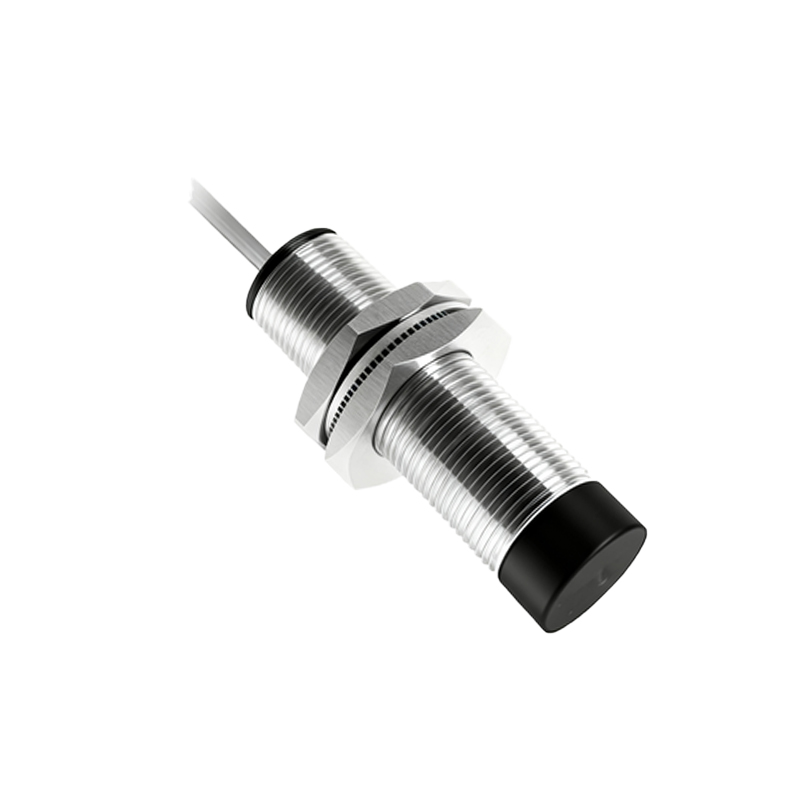
Key specifications define the performance of a 6mm proximity switch. The sensing distance, usually up to 2mm for standard models, is precisely calibrated for its compact size. These sensors are commonly available in both shielded (flush-mountable) and unshielded (non-flush-mountable) designs. Shielded variants allow for side-by-side installation without mutual interference, whereas unshielded types offer a slightly longer sensing range. The housing is typically constructed from stainless steel or nickel-plated brass, providing robust resistance against oils, coolants, and industrial debris. Most models operate within a wide voltage range, such as 10-30V DC, and feature output types like NPN (sinking) or PNP (sourcing) to interface seamlessly with PLCs (Programmable Logic Controllers) and other control systems.
Application scenarios for 6mm proximity sensors are vast and varied. In automated assembly lines, they are deployed for precise part positioning, verifying the presence of small components like screws or pins. Packaging machinery utilizes them to detect foil seals or metal labels on products. Within CNC machines, these sensors monitor tool position or act as end-of-travel limit switches, ensuring operational safety and precision. Their small form factor is particularly advantageous in confined spaces where larger sensors cannot be accommodated, such as in robotic grippers or miniature electronic manufacturing equipment.
Selecting the appropriate 6mm proximity sensor requires careful consideration of several factors. First, determine the target material; while standard models detect ferrous metals (like iron and steel), specific versions are optimized for non-ferrous metals (like aluminum or copper). Environmental conditions are crucial—ensure the sensor's IP (Ingress Protection) rating, such as IP67, is suitable for exposure to dust, moisture, or washdowns. Electrical compatibility with the existing control system must be verified, including voltage supply and output configuration. For high-speed applications, such as counting fast-moving parts on a conveyor, the sensor's response frequency—often up to several kHz—is a critical parameter to prevent missed detections.
Installation and maintenance practices significantly impact sensor performance and longevity. During mounting, adhere strictly to the specified sensing distance and avoid placing the sensor near strong electromagnetic fields generated by motors or welding equipment, which could cause false triggering. Regular maintenance involves periodic cleaning of the sensing face to remove contaminants like metal chips or grease that could attenuate the electromagnetic field. Although these sensors are designed for millions of operating cycles, it is advisable to conduct routine functional checks as part of preventive maintenance schedules to avoid unplanned downtime.
Technological advancements continue to refine the capabilities of 6mm proximity sensors. Modern iterations incorporate features like IO-Link communication, enabling digital parameter setting, real-time diagnostics, and seamless integration into Industry 4.0 networks. Enhanced designs offer improved temperature stability and resistance to electrical noise, ensuring consistent performance in challenging industrial environments. As miniaturization trends progress, these sensors are becoming even more integral to sophisticated automation systems, supporting higher precision and smarter manufacturing processes.
In conclusion, the 6mm proximity switch sensor is a cornerstone of modern industrial automation. Its ability to provide reliable, non-contact detection in a minuscule package makes it a versatile solution for countless applications. By understanding its operating principles, specifications, and proper implementation guidelines, engineers and technicians can leverage this technology to enhance system efficiency, safety, and reliability, driving forward the evolution of automated production.