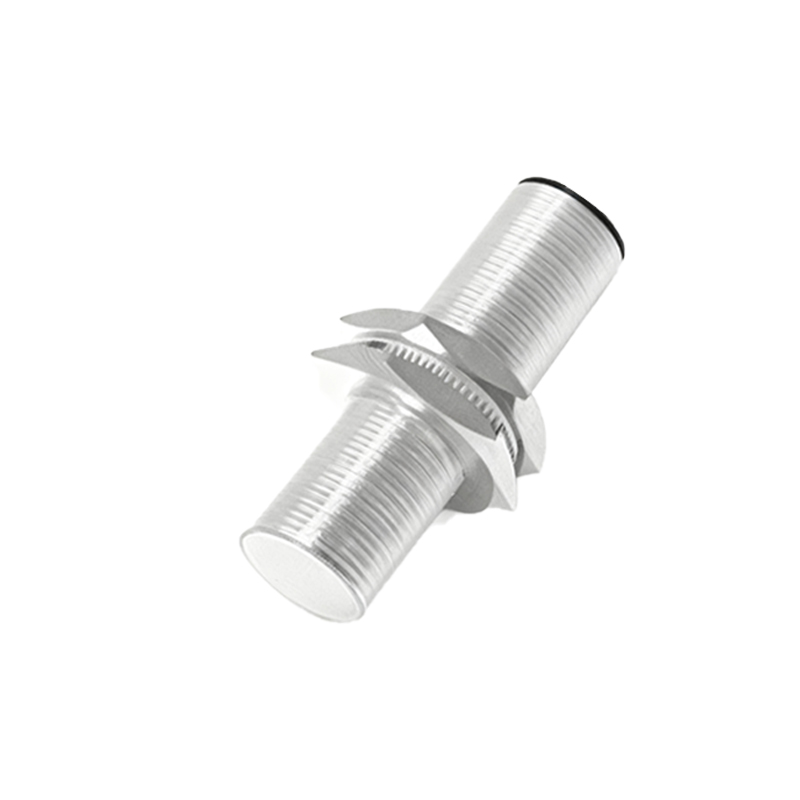
In the pulsating heart of modern industrial automation, where precision and reliability are non-negotiable, the humble proximity sensor plays a starring role. However, the industrial environment is a symphony of electromagnetic noise, voltage spikes, and physical contaminants. Standard sensors can falter under such duress, leading to false triggers, missed detections, and costly downtime. This is where the specialized domain of anti-interference proximity sensor manufacturers becomes critical. These companies are not merely component suppliers; they are engineers of resilience, crafting the sensory nervous system for robust and intelligent machinery.
The core challenge in harsh environments is electromagnetic interference (EMI) and radio frequency interference (RFI). Welding equipment, variable frequency drives (VFDs), and heavy motor starters generate significant electrical noise that can swamp a sensor's signal. Leading manufacturers address this through multi-faceted design philosophy. Firstly, advanced shielding is paramount. Sensors are housed in robust, ferromagnetic metal casings (often stainless steel) that act as a Faraday cage, deflecting external EMI. Internally, printed circuit boards (PCBs) are meticulously designed with ground planes and component placement optimized to minimize noise pickup.
Secondly, sophisticated electronic filtering is integrated directly into the sensor's circuitry. This includes passive components like chokes and capacitors to suppress high-frequency noise, as well as active digital signal processing (DSP) algorithms in intelligent models. These algorithms can distinguish between the genuine signature of a target object and the chaotic pattern of environmental interference, ensuring only valid signals trigger an output. Furthermore, immunity to cross-talk—where sensors in close proximity interfere with each other—is achieved through precise frequency modulation and shielding techniques.
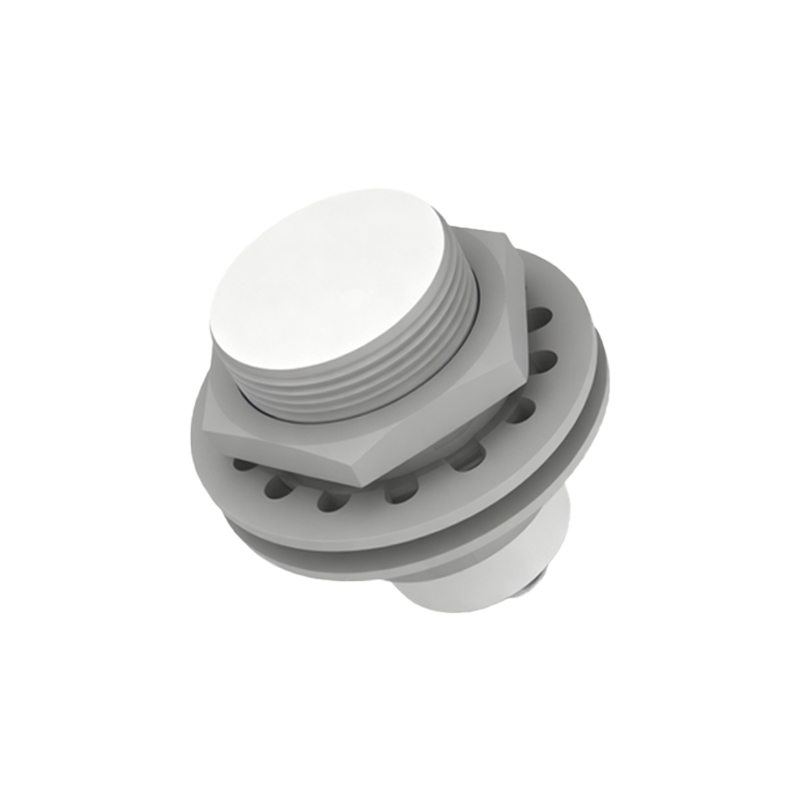
Beyond electrical noise, physical and environmental factors pose significant threats. Manufacturers engineer sensors with high ingress protection (IP) ratings, such as IP67 or IP69K, ensuring resistance to dust, water jets, and even high-pressure washdowns. For applications involving metallic swarf or chips, models with "flush-mount" capabilities are designed to be installed level with the mounting surface, preventing the accumulation of debris that could cause false actuation. The sensing face is often made of a specialized, wear-resistant material like PTFE or ceramic to withstand abrasion.
The choice of sensing technology is also a key differentiator. Inductive sensors, detecting metallic objects, are most common. Top manufacturers offer variants with increased switching distance or specialized alloys in the coil core for superior performance with different metals like aluminum or stainless steel. Capacitive sensors, for non-metallic target detection, employ guarded field designs to ignore background material and focus only on the intended target. Ultrasonic sensors use sound wave analysis with algorithms to filter out ambient acoustic noise. Each technology is refined to reject its specific set of environmental challenges.
Compliance with international electromagnetic compatibility (EMC) standards, such as IEC 60947-5-2, is not an afterthought but a foundational design requirement for reputable manufacturers. Rigorous in-house testing in simulated real-world noise environments—surge, burst, electrostatic discharge—validates the design before products reach the market. This commitment to validation provides the Original Equipment Manufacturer (OEM) and end-user with the confidence needed for mission-critical applications in automotive assembly, food and beverage processing, metalworking, and packaging machinery.
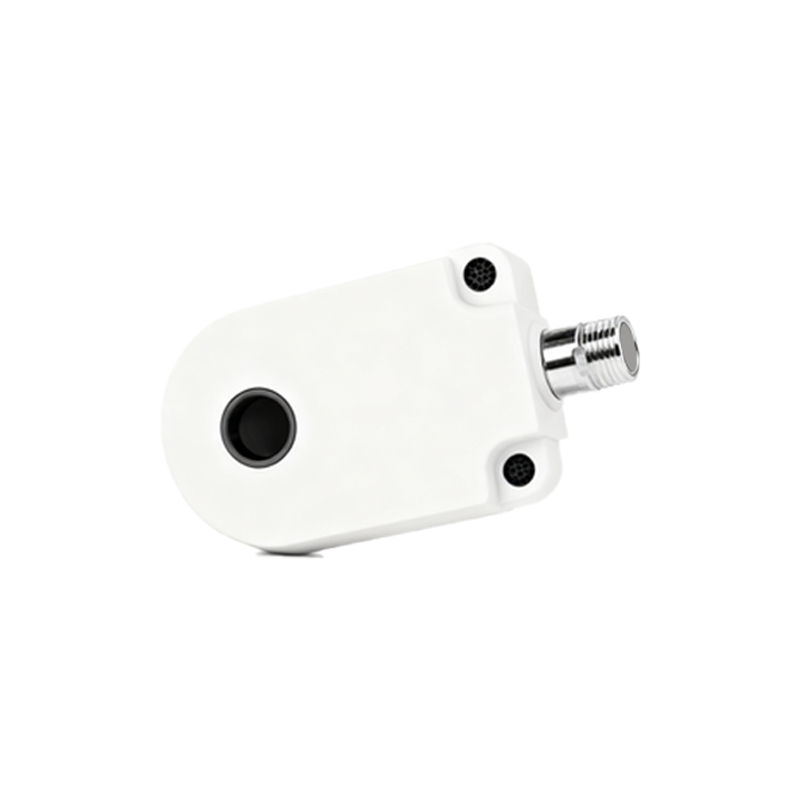
Ultimately, partnering with a dedicated anti-interference proximity sensor manufacturer is an investment in system uptime and total cost of ownership. The initial component cost is quickly offset by the prevention of production stoppages, reduction in maintenance calls, and elimination of quality defects caused by sensor errors. As Industry 4.0 drives towards greater connectivity and data-driven decision-making, the demand for sensors that provide not just data, but reliable data, will only intensify. These manufacturers stand at the forefront, ensuring that the first point of contact in the automated control loop—the proximity sensor—is a bastion of stability in an electrically chaotic world.