In the realm of industrial automation and machinery, the precise monitoring and control of rotating shafts are paramount for operational efficiency, safety, and predictive maintenance. Proximity switch sensors, known for their non-contact detection capabilities, are extensively employed in these applications. This article delves into the methodologies, considerations, and best practices for integrating proximity sensors on shafts.
The fundamental principle behind a proximity switch is the detection of a metallic target without physical contact. Inductive proximity sensors are the most common type used for shaft applications, as they respond to ferrous and non-ferrous metals. When a shaft, or a target attached to it, enters the sensor's electromagnetic field, it causes a change in the oscillation amplitude. This change is processed by the sensor's circuitry to trigger a switching signal.
Key applications on shafts include:
1. Speed Monitoring and Tachometry: By mounting a metallic target (such as a gear tooth, key, or a dedicated lobe) on the shaft, the proximity sensor can detect each pass. The frequency of the pulses generated is directly proportional to the rotational speed. This data is crucial for controlling motor speeds, synchronizing processes, and preventing overspeed conditions that could lead to equipment failure.
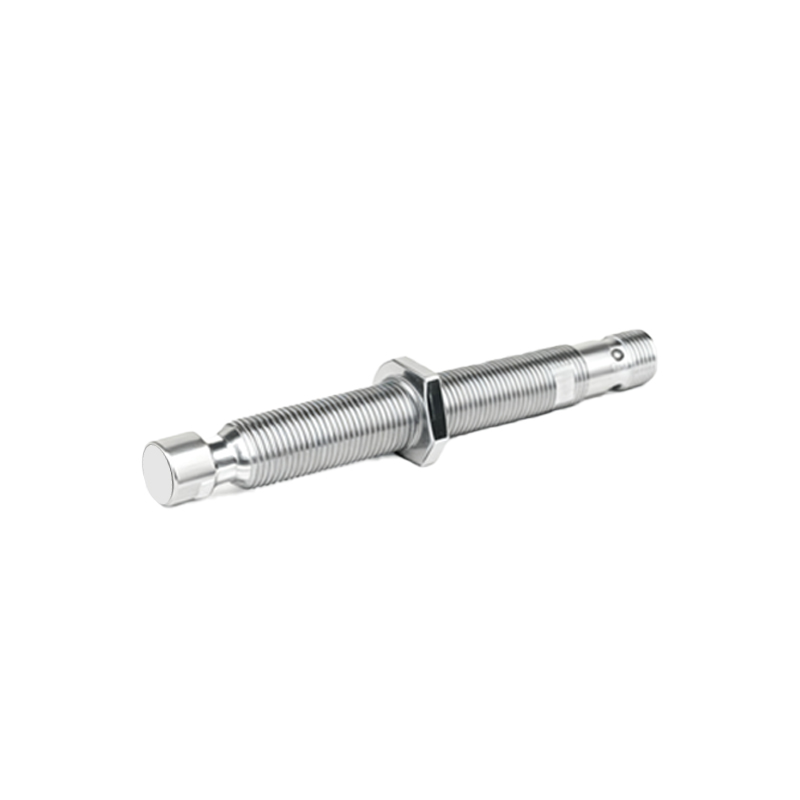
2. Position Sensing and Indexing: For applications requiring precise angular positioning, a single target or a specific pattern of targets can be mounted on the shaft. The sensor detects the presence or absence of the target, providing a reference "home" position or signaling specific angular points. This is vital in automated assembly lines, packaging machinery, and robotic arms.
3. Direction of Rotation Detection: Utilizing two proximity sensors placed in a specific geometric relationship to a target pattern (like a cam with an asymmetric profile) allows for the determination of rotational direction. The sequence in which the sensors are activated indicates whether the shaft is rotating clockwise or counterclockwise, enabling complex control logic.
4. Vibration and Runout Monitoring: While dedicated vibration sensors exist, proximity probes (a specialized type of inductive sensor) are used to measure the displacement of a shaft relative to its bearing housing. By monitoring the gap variation, engineers can detect issues like bearing wear, imbalance, misalignment, and shaft deflection long before catastrophic failure occurs.
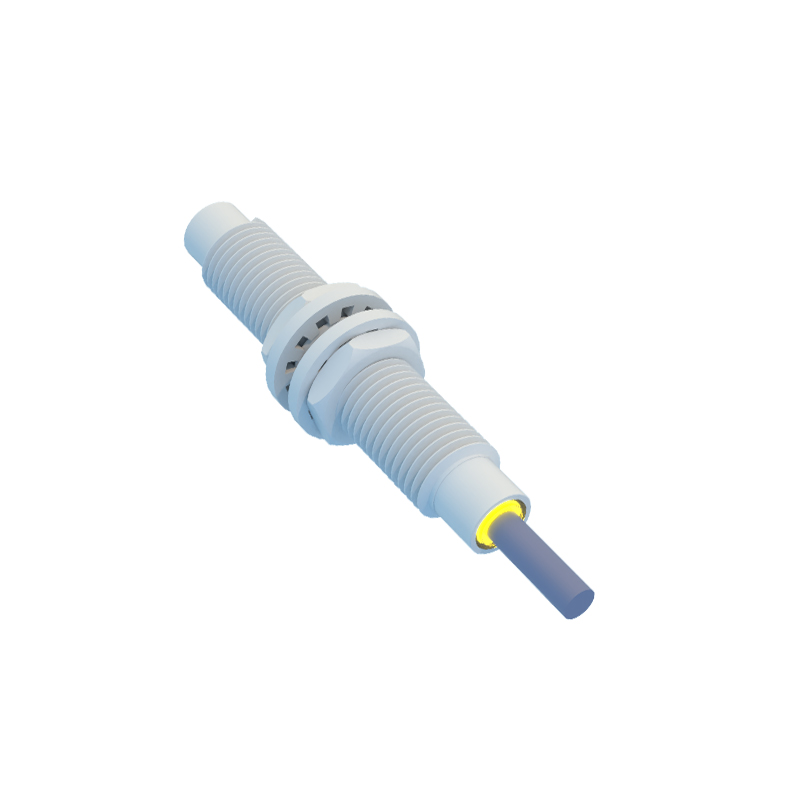
Critical Installation and Selection Factors:
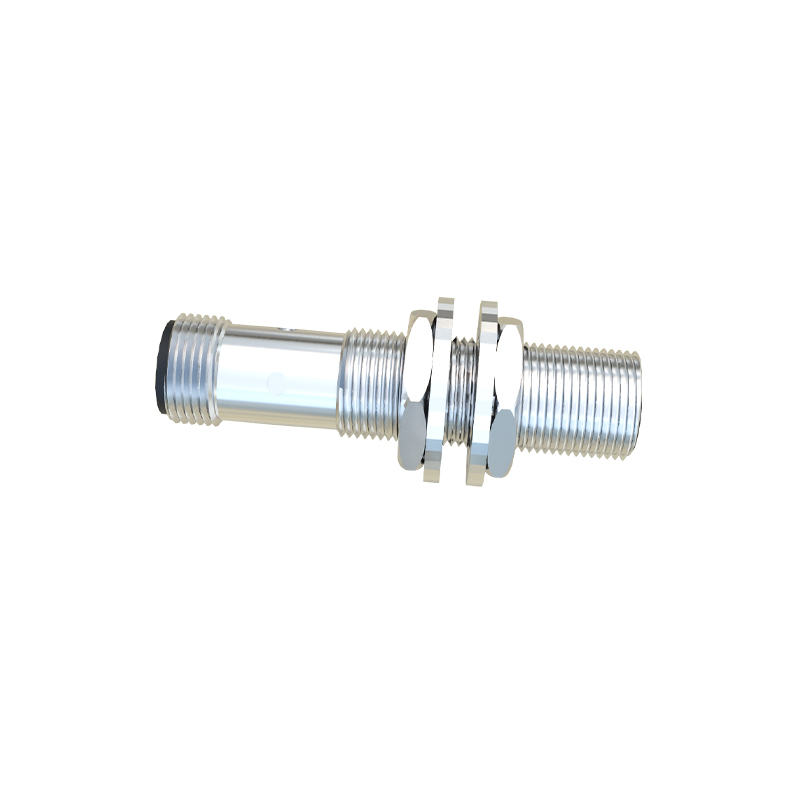
Sensor Type: Inductive sensors are standard. For very high-speed applications or where extreme precision is needed, eddy-current or capacitive sensors might be considered. The sensing distance (rated operating distance) must be carefully chosen.
Target Material and Size: The target must be made of a detectable metal. The target size must be sufficient to reliably trigger the sensor; a general rule is that the target's width should be at least equal to the sensor's face diameter.
Mounting and Air Gap: The sensor must be securely mounted to resist vibration. The air gap between the sensor face and the target is critical; it must be within the sensor's specified range and account for any axial or radial shaft play. Non-ferrous mounting brackets should be used to avoid influencing the sensing field.
Environmental Considerations: Industrial environments present challenges like temperature extremes, coolant, oil, metal chips, and electromagnetic interference. Selecting sensors with appropriate IP (Ingress Protection) ratings, robust housings (e.g., stainless steel), and immunity to electrical noise is essential.
Output Configuration: Sensors provide digital outputs (PNP/NPN, NO/NC) or analog signals (4-20 mA, 0-10V). The choice depends on the control system input requirements. For speed monitoring, a fast-switching frequency sensor is necessary.
Best Practices for Implementation:
1. Perform a thorough analysis of the shaft's operational parameters: maximum speed, temperature range, and potential contaminants.
2. Use precision mounting fixtures to ensure consistent and accurate air gap alignment.
3. For speed sensing, ensure the target is perfectly balanced to avoid inducing vibration.
4. Shield sensor cables and route them away from power lines to minimize signal interference.
5. Implement regular calibration and maintenance checks, especially for critical monitoring applications like runout detection.
In conclusion, the application of proximity switch sensors on shafts is a cornerstone of modern industrial machine design. Their ability to provide reliable, non-contact feedback on speed, position, and condition transforms raw rotational motion into actionable data. By adhering to proper selection criteria and installation protocols, engineers can leverage these versatile devices to enhance system performance, ensure operational safety, and move towards a more predictive maintenance paradigm, ultimately reducing downtime and increasing productivity.