In the realm of industrial automation and machine safety, the question of sensor performance is paramount. Light curtain proximity sensors, a sophisticated subset of safety light curtains, have become a critical component in modern manufacturing and robotics. But how good are they, really? This analysis delves into their functionality, advantages, and key considerations for implementation.
Fundamentally, a light curtain proximity sensor is a non-contact safety device that creates an invisible curtain of infrared or laser light beams between a transmitter and a receiver. Unlike simple presence detection, these systems are designed to sense the intrusion of an object or a person into a predefined hazardous zone with extremely high precision and speed. When any beam within the curtain is interrupted, the sensor's control unit sends an immediate stop signal to the guarded machinery, such as a press, robot cell, or automated guided vehicle (AGV), thereby preventing potential injury.
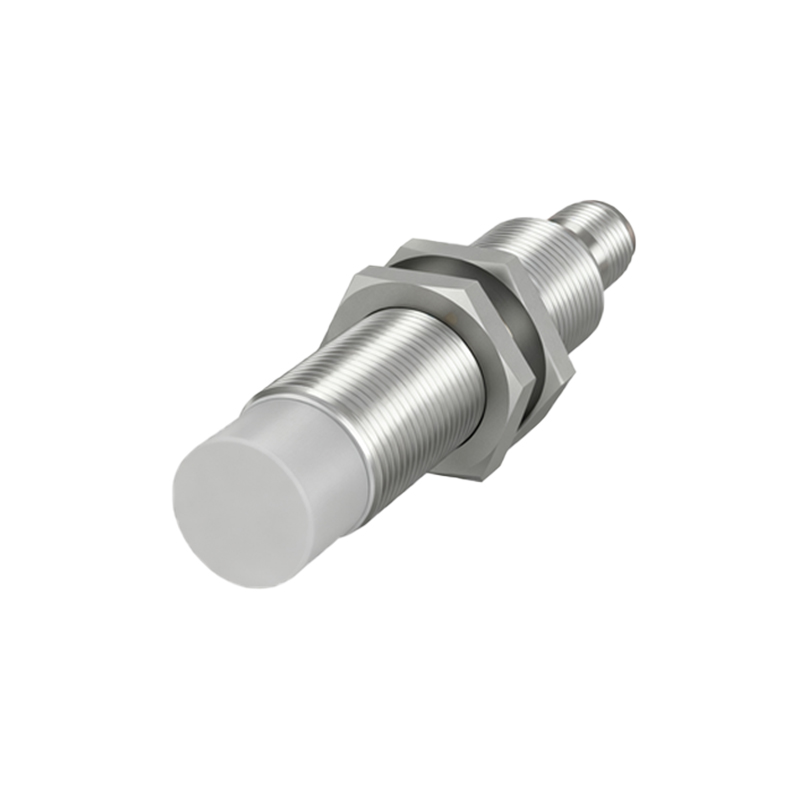
The core strength of these sensors lies in their exceptional reliability and responsiveness. Modern units boast response times in the low milliseconds, a critical factor where even a microsecond delay can have severe consequences. This high-speed performance is coupled with impressive resolution—the ability to detect objects as small as a finger or a tool, depending on the beam pitch (the distance between individual light beams). For applications requiring fine detection, resolutions down to 14mm are standard, effectively creating a sensitive "proximity" shield around dangerous moving parts.
Another significant advantage is their flexibility and ease of integration. Light curtains can be configured to protect areas of various shapes and sizes, from small access points to large perimeter zones around entire work cells. They offer muting and blanking functions, allowing for the safe passage of materials while maintaining protection for personnel. This adaptability makes them superior to traditional mechanical guards or pressure mats in dynamic environments where access patterns change. Furthermore, their non-contact nature means no physical wear and tear from repeated operation, leading to lower long-term maintenance costs and higher uptime compared to contact-based safety switches.
From a safety standards perspective, light curtain proximity sensors are designed and certified to meet rigorous international norms such as IEC 61496 (Type 2 or Type 4) and ISO 13849 (Performance Level d or e). Type 4 safety light curtains, with their redundant internal monitoring and fault-checking circuits, offer the highest degree of safety integrity, making them suitable for safeguarding against the most serious hazards. Compliance with these standards is not optional; it is a fundamental requirement for any safety component in industrial settings.
However, their performance is not without dependencies. Environmental factors play a crucial role. Contaminants like dust, fog, or heavy steam can scatter or absorb the light beams, potentially causing nuisance trips or, worse, a failure to detect an intrusion. Similarly, strong ambient light from welding arcs or direct sunlight can interfere with the sensor's receiver. Therefore, selecting sensors with appropriate ingress protection (IP) ratings, robust housing, and filters for specific light frequencies is essential for reliable operation in harsh conditions. Regular cleaning and functional testing, as mandated by safety protocols, are also imperative to maintain their "good" status.
In comparison to alternative technologies like single-beam safety sensors or area scanners, light curtains provide a definitive, hard-guarding boundary. While 3D area scanners offer more flexible zone shaping, light curtains typically deliver faster response times for a defined plane of protection. The choice ultimately hinges on the specific risk assessment of the application.
In conclusion, light curtain proximity sensors are exceptionally good at what they are designed to do: provide fast, reliable, and flexible non-contact safeguarding for personnel around industrial machinery. Their high performance, adherence to strict safety standards, and operational flexibility justify their widespread adoption. Yet, their effectiveness is contingent upon correct selection for the environmental challenges, proper installation, alignment, and a committed maintenance regimen. For engineers and safety managers, they represent a proven and vital technology in the ongoing pursuit of a zero-accident workplace, but only when implemented and maintained with the same precision they themselves possess.