In the realm of industrial automation, robotics, and smart device integration, the selection of sensing technology is a critical design decision. Among the plethora of options, infrared (IR) proximity sensors have established themselves as a fundamental component. The question "Are infrared proximity sensors good?" is not one with a simple yes or no answer. Their suitability hinges entirely on the specific application requirements, environmental conditions, and performance trade-offs. This analysis delves into the operational principles, advantages, limitations, and ideal use cases of IR proximity sensors to provide a comprehensive answer for engineering professionals.
At their core, passive infrared (PIR) sensors detect changes in infrared radiation emitted by objects, typically used for motion detection. However, the more common type for proximity sensing is the active infrared sensor. This system comprises an IR LED emitter that projects a beam of infrared light and a photodiode or phototransistor receiver. The sensor operates on two primary principles: reflection and beam break. In the reflective mode, the sensor detects the intensity of the IR light reflected back from a target object. The strength of the returned signal correlates to the object's distance and reflectivity. In the beam-break mode, the sensor detects an interruption in a continuous IR beam between a separate emitter and receiver, ideal for counting or safety curtains.
The advantages of IR proximity sensors are significant and explain their widespread adoption. First and foremost is their non-contact operation. They can detect objects without physical touch, eliminating mechanical wear and tear and allowing for high-speed detection. They are generally cost-effective compared to many laser-based or ultrasonic alternatives, offering a compelling price-to-performance ratio for high-volume applications. Their simplicity in design and interface is another key benefit. With relatively straightforward circuitry, they are easy to integrate into microcontroller-based systems (e.g., using Arduino, Raspberry Pi) for distance measurement or object detection tasks. Furthermore, they can be quite compact, allowing for integration into space-constrained environments like mobile phones (for screen blanking), tablets, and small appliances. For specific tasks like line following in robotics, where contrast between a line and a surface is needed, IR sensors are often the default choice due to their reliable performance in detecting reflected light differences.
However, to deem them universally "good," one must rigorously consider their limitations. The most prominent drawback is their susceptibility to environmental interference. Ambient light, particularly sunlight which contains a high degree of infrared radiation, can saturate the receiver and cause false readings or a complete failure to detect. Similarly, other IR sources in the environment can create noise. The sensor's performance is also heavily dependent on the target object's properties. The color, texture, and material of an object drastically affect its infrared reflectivity. A shiny white object will be detected at a much greater range than a matte black object of the same size and distance, which may absorb most of the IR radiation. This lack of consistency can be problematic in applications with variable target surfaces. Their effective range is typically limited, often to a few centimeters up to several tens of centimeters for standard models, making them unsuitable for long-range sensing. Finally, they can struggle with transparent or translucent objects (like glass or clear plastic), which may allow the IR beam to pass through without sufficient reflection.
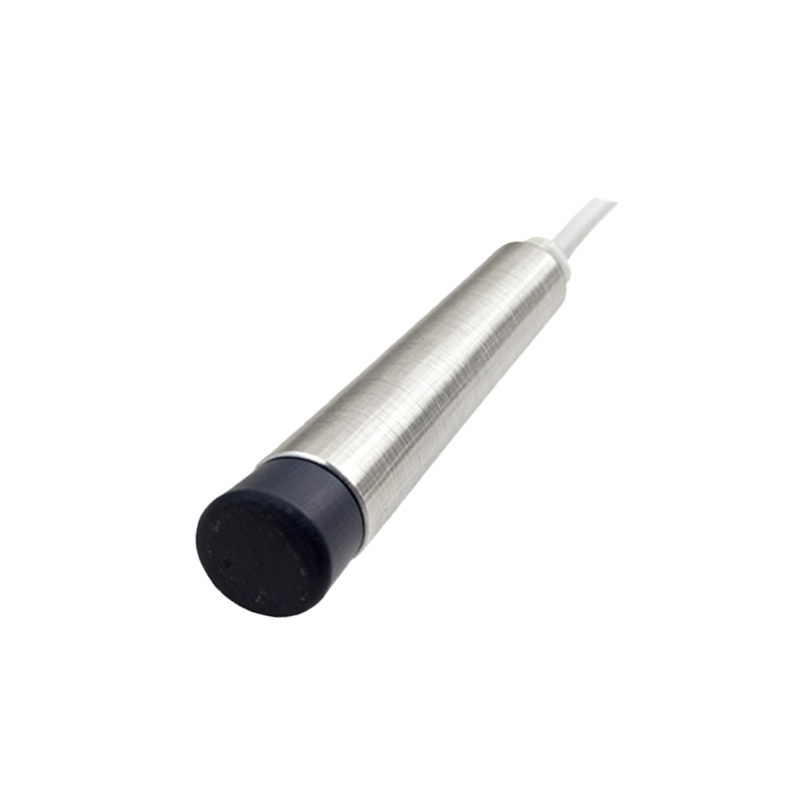
So, when are IR proximity sensors an excellent choice? They are highly effective in controlled indoor environments where ambient light is stable and manageable. Applications include paper detection in printers, touchless faucets and soap dispensers, toy robotics, simple object counters on conveyor belts (for non-black items), and liquid level detection in certain containers. Their use in consumer electronics for power-saving features (e.g., disabling a smartphone display during a call) is a testament to their reliability in predictable conditions.
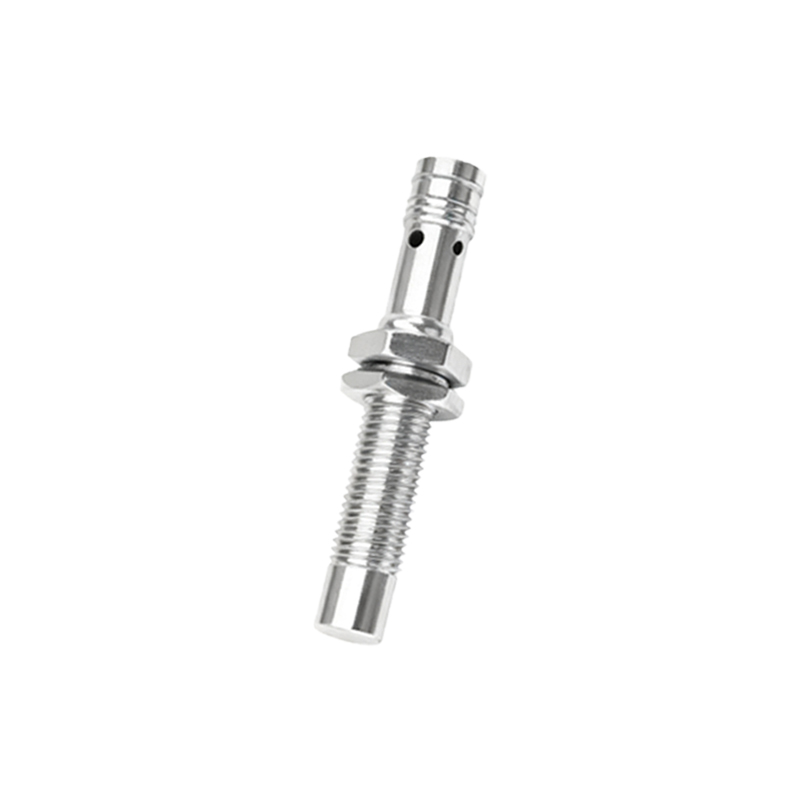
Conversely, alternative technologies should be considered when requirements include long-range detection, immunity to ambient light, or consistent detection regardless of object color. Ultrasonic sensors use sound waves and are excellent for longer ranges and are unaffected by color or light, but they can be slower and may struggle with soft, sound-absorbing materials. Laser time-of-flight (ToF) sensors provide highly accurate, long-range distance data but at a significantly higher cost and complexity. Capacitive sensors excel at detecting conductive materials or even the presence of a human hand through non-metallic barriers.
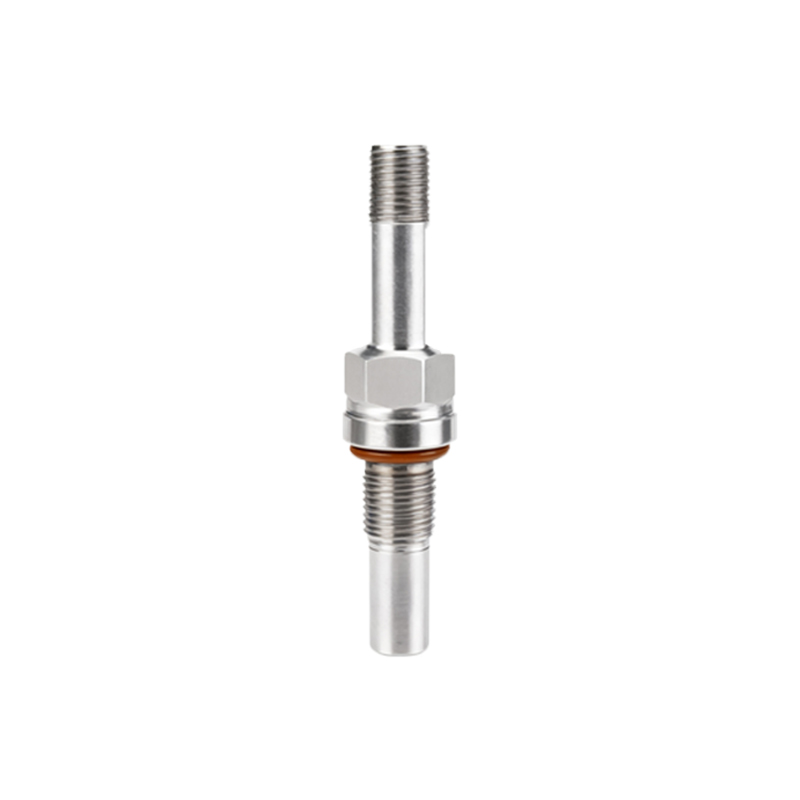
In conclusion, infrared proximity sensors are not inherently "good" or "bad"; they are a highly effective and economical tool within a well-defined operational envelope. For engineers, the decision matrix should involve asking key questions: What is the required detection range? What are the optical properties of the target objects? What are the ambient light conditions? What is the budget and size constraint? When the application aligns with their strengths—non-contact, short-range detection in a controlled environment—IR sensors