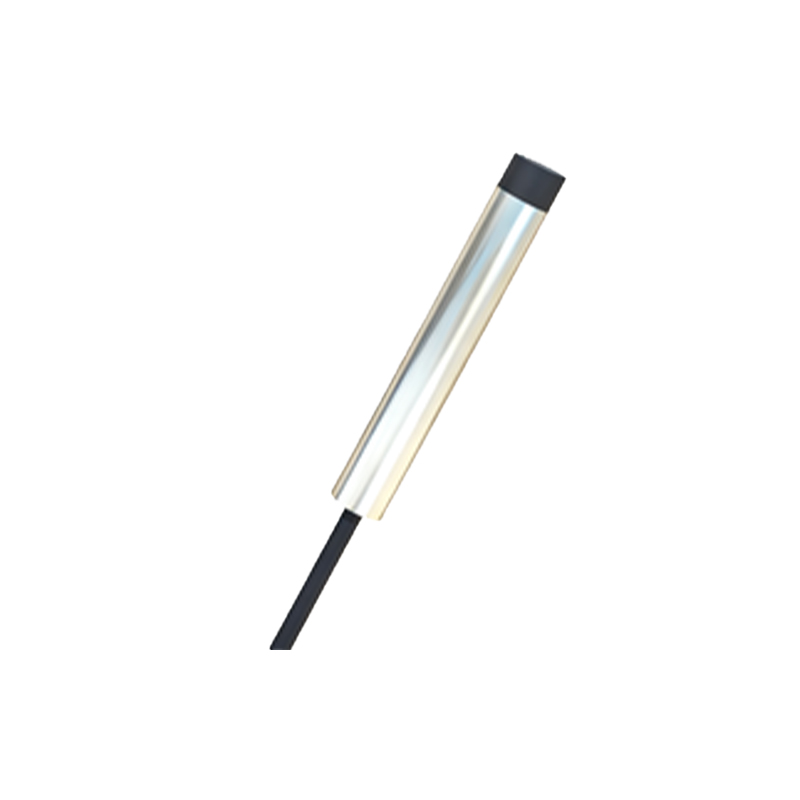
Capacitive proximity sensors are versatile non-contact detection devices widely employed in industrial automation for their ability to sense a variety of materials, including metals, plastics, liquids, and granular substances. Unlike inductive sensors, which detect only conductive metals, capacitive sensors operate based on changes in capacitance, making them indispensable in applications ranging from level detection and material handling to packaging and assembly lines.
The fundamental principle of a capacitive proximity sensor revolves around the concept of capacitance, which is the ability of a system to store an electric charge. A typical sensor consists of an oscillator circuit, a sensing electrode (often the sensor face itself), and a detection circuit. The electrode forms one plate of a capacitor, while the target object or material acts as the other plate, with the surrounding environment (usually air) serving as the dielectric medium. When no target is present, the oscillator operates at a baseline frequency, maintaining a stable state. As a target approaches the sensing area, it alters the dielectric constant and the effective plate area of the capacitor, leading to a change in capacitance. This change increases the amplitude of the oscillator's oscillations. Once the amplitude reaches a predefined threshold, the detection circuit triggers an output signal, typically in the form of a switching action (e.g., NPN or PNP transistor output).
Key factors influencing sensor performance include the dielectric constant (εr) of the target material, the sensing distance, and environmental conditions. Materials with higher dielectric constants, such as water (εr ≈ 80) or plastics (εr ≈ 2-5), cause more significant capacitance changes and can be detected at greater distances compared to low-εr materials like dry wood. However, this sensitivity also makes capacitive sensors susceptible to interference from contaminants like dust, moisture, or oil on the sensor face, which may cause false triggering. To mitigate this, many industrial sensors feature adjustable sensitivity settings or shielding mechanisms that focus the electric field forward, reducing lateral sensitivity to surrounding objects.
In practical applications, capacitive sensors excel in tasks such as liquid level control in tanks, where they detect the presence of fluids through container walls (non-metallic), or in bottling lines to verify fill levels. They are also used to detect non-metallic objects on conveyor belts, monitor material presence in hoppers, or ensure proper positioning of components. Advanced designs incorporate temperature compensation and robust housing (e.g., IP67-rated enclosures) to withstand harsh industrial environments involving humidity, vibration, or temperature fluctuations.
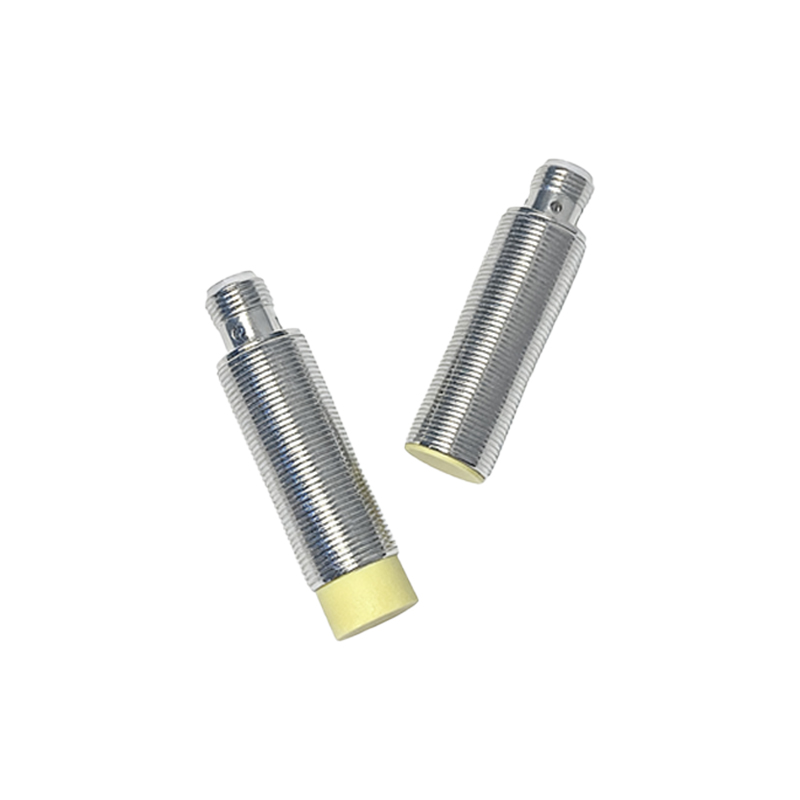
When selecting a capacitive sensor, engineers must consider parameters like nominal sensing range (typically 3-25 mm for standard models), response frequency, output type, and mounting requirements. Proper installation is critical; sensors should be positioned away from conductive backgrounds to avoid parasitic capacitance effects, and regular maintenance, such as cleaning the sensing face, ensures long-term reliability. With ongoing advancements in miniaturization and smart sensing technology, modern capacitive sensors now integrate IO-Link communication for real-time diagnostics and parameter adjustment, enhancing their adaptability in Industry 4.0 systems.
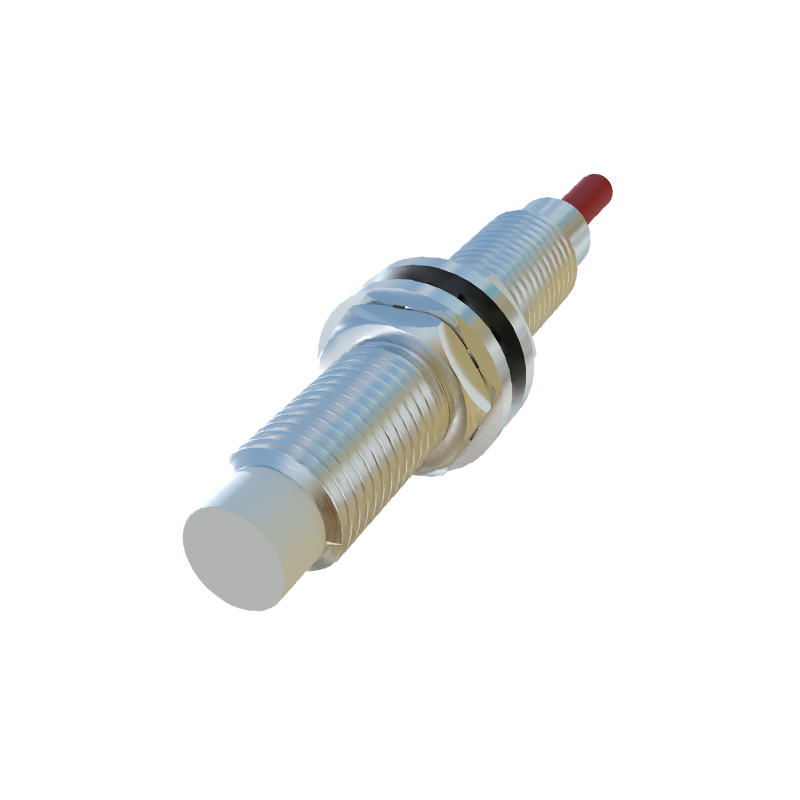
In summary, capacitive proximity sensors offer a reliable solution for diverse detection challenges in automation. By leveraging capacitance variations, they bridge gaps where other sensor types fall short, contributing to improved efficiency, safety, and precision in industrial processes.