Infrared (IR) proximity sensors are pivotal components in modern automation and electronic systems, leveraging infrared light to detect the presence, absence, or distance of objects without physical contact. Their operation is based on emitting an infrared beam and measuring the reflection or interruption caused by a target. One of the standout features is their non-contact nature, which eliminates mechanical wear and tear, ensuring longevity and reliability in applications like robotics, automotive safety, and industrial machinery. These sensors typically consist of an IR LED for emission and a photodiode or phototransistor for reception, allowing them to function effectively in various environmental conditions.
A key characteristic is their high sensitivity and precision. IR proximity sensors can detect objects at ranges from a few millimeters to several meters, depending on the design and power. They are adept at distinguishing between different materials and surfaces, though performance may vary with reflectivity—for instance, shiny objects might cause stronger reflections than matte ones. This makes them versatile for use in object detection, obstacle avoidance, and gesture recognition systems. Additionally, many IR sensors incorporate modulation techniques to filter out ambient light interference, enhancing accuracy in bright or fluctuating lighting environments.
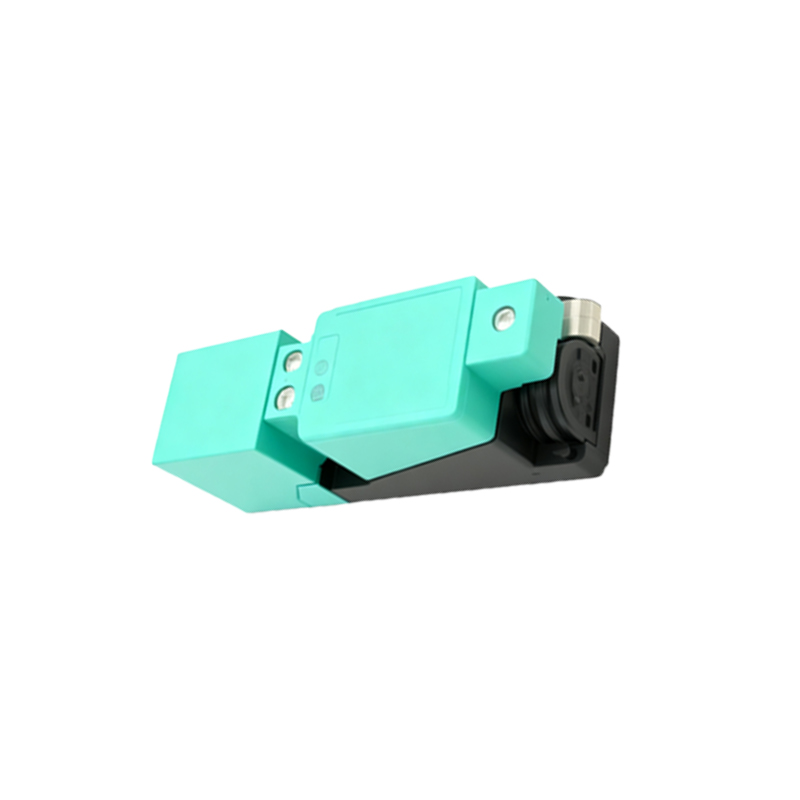
Another notable feature is their low power consumption. Compared to other sensing technologies like ultrasonic or capacitive sensors, IR sensors often require minimal energy, making them ideal for battery-operated devices such as smartphones, tablets, and IoT gadgets. This efficiency does not compromise response time; they offer fast detection speeds, typically in the millisecond range, which is crucial for real-time applications in manufacturing lines or security systems. Moreover, IR proximity sensors are compact and cost-effective, enabling easy integration into small-scale electronics and mass-produced consumer products.
However, they do have limitations. Factors like dust, fog, or direct sunlight can affect their performance by scattering or absorbing IR radiation. To mitigate this, advanced models include protective housings or digital signal processing to compensate for environmental noise. In summary, infrared proximity sensors excel in non-contact detection, sensitivity, energy efficiency, and compact design, driving innovation across industries from consumer electronics to industrial automation. As technology evolves, enhancements in IR sensor capabilities continue to expand their applications, solidifying their role in smart and automated systems.