In the realm of industrial automation, precision, reliability, and speed are non-negotiable. Among the myriad of components that make modern manufacturing lines and smart systems possible, the 5S proximity sensor stands out as a fundamental yet sophisticated device. This article delves into the core principles, diverse applications, and significant advantages of these sensors, explaining why they are a cornerstone of contemporary industrial processes.
At its essence, a 5S proximity sensor is a non-contact electronic device designed to detect the presence or absence of an object within its sensing range without any physical contact. The "5S" designation often refers to key performance characteristics: Super Sensing distance, Super Speed, Super Strength (robustness), Super Stability, and Super Sensitivity. These sensors operate primarily on electromagnetic principles. The most common types are inductive sensors, which detect metallic objects, and capacitive sensors, which can detect both metallic and non-metallic materials like plastics, liquids, or wood. When a target object enters the sensor's electromagnetic field, it causes a change in oscillation or capacitance, triggering an output signal. This signal is then used to control machinery, count items, or signal a robotic arm.
The applications of 5S proximity sensors are vast and critical across industries. In automotive assembly lines, they ensure components are correctly positioned before welding or painting robots engage. In packaging machinery, they detect the presence of bottles or boxes to coordinate filling, capping, and labeling operations with millisecond precision. Within the food and beverage sector, capacitive sensors monitor liquid levels in tanks without direct contact, maintaining hygiene standards. They are also integral to material handling systems, where they prevent collisions by detecting the position of automated guided vehicles (AGVs) or the edges of materials on conveyors. Furthermore, their role in safety systems is paramount; they can act as non-mechanical interlocks on machine guards, ensuring a dangerous machine only operates when a protective door is securely closed.
The shift towards 5S-level sensors from standard models is driven by compelling advantages that directly impact operational efficiency. Their extended sensing range allows for greater flexibility in machine design and installation. The high switching speed, often in the kilohertz range, enables detection of rapidly moving objects on high-speed production lines, which is essential for maintaining throughput. Robust construction, typically featuring stainless steel or rugged polymer housings with high IP (Ingress Protection) ratings, makes them resistant to dust, moisture, coolants, and physical impacts, ensuring longevity in harsh industrial environments. Superior stability means minimal drift in performance over time and across temperature variations, reducing false triggers and maintenance downtime. Finally, enhanced sensitivity allows for the reliable detection of small or challenging targets.
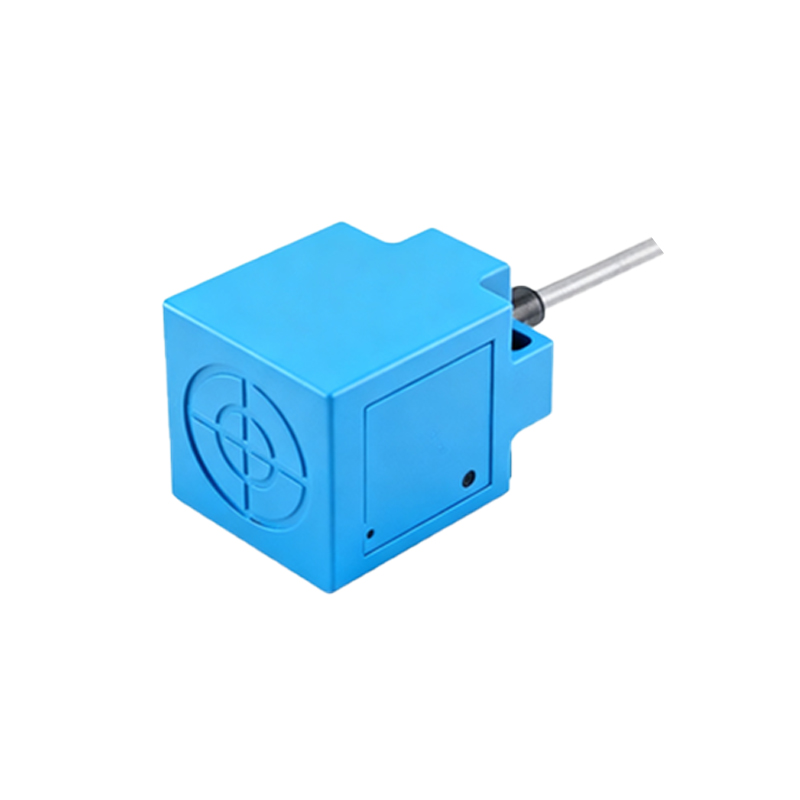
Selecting the right 5S proximity sensor requires careful consideration of several factors. The material of the target object determines whether an inductive or capacitive type is needed. The required sensing distance must be specified, noting that factors like target size and material can affect the actual range. The environmental conditions—such as temperature extremes, exposure to chemicals, or washdown requirements—dictate the necessary housing material and IP rating. Electrical output type (e.g., NPN, PNP, analog) must be compatible with the control system (PLC). Physical size and mounting style (flush, non-flush, threaded) are also crucial for integration into existing machinery.
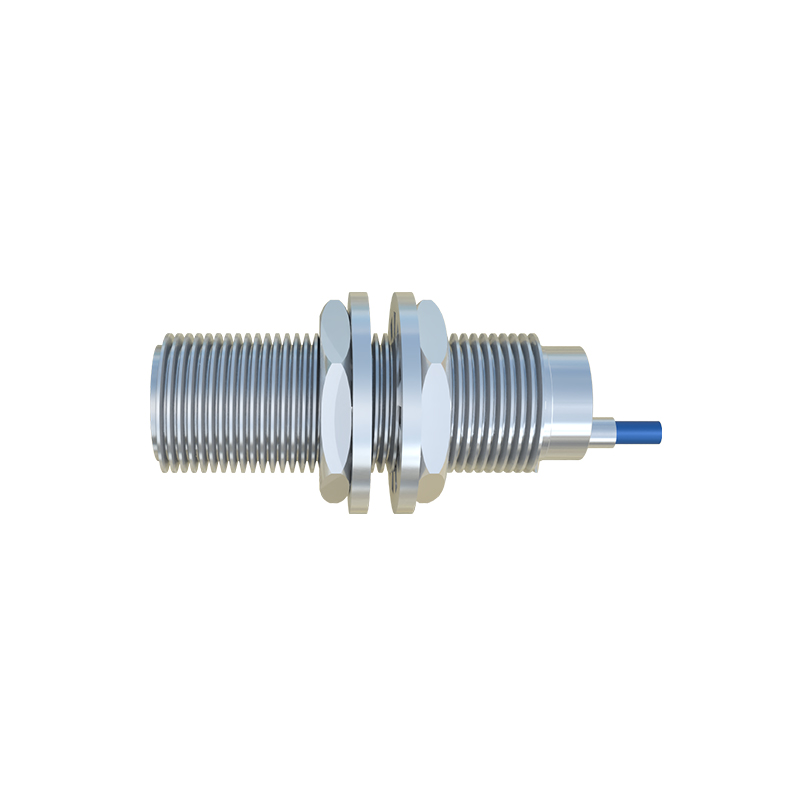
In conclusion, 5S proximity sensors are more than just simple switches; they are intelligent sentinels of the automated world. By offering a blend of long range, high speed, ruggedness, stability, and sensitivity, they provide the reliable data necessary for complex control systems to function seamlessly. Their non-contact nature minimizes wear and tear, leading to lower maintenance costs and higher system availability. As Industry 4.0 and the Internet of Things (IoT) continue to evolve, the demand for such advanced, reliable sensing technology will only grow, solidifying the role of the 5S proximity sensor as an indispensable component in building smarter, safer, and more efficient industrial operations.