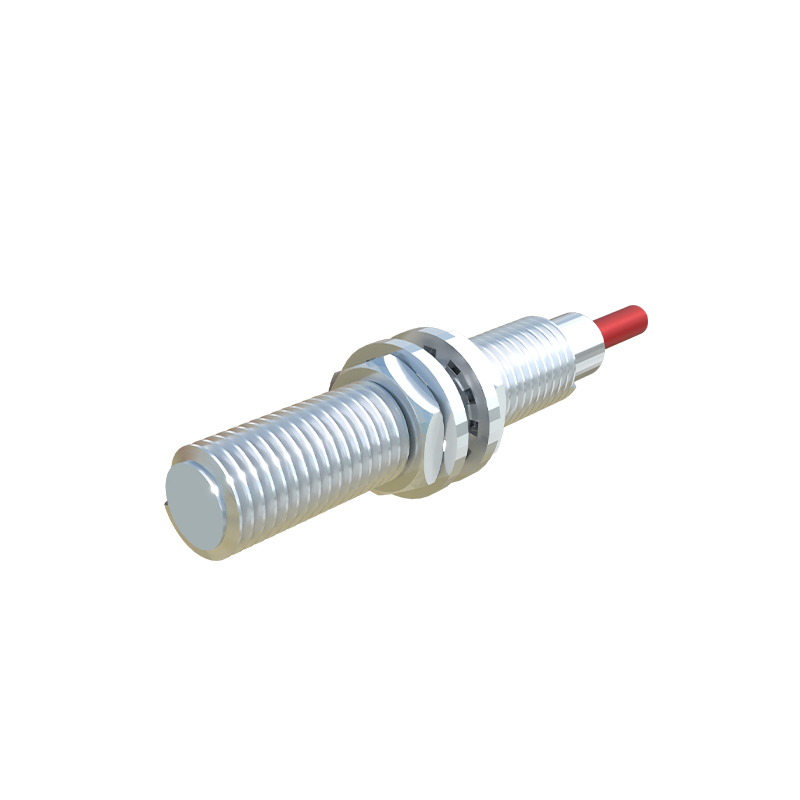
In industrial automation and control systems, proximity sensors play a crucial role in detecting the presence or absence of objects without physical contact. Among various types, the three-wire proximity sensor is widely adopted due to its reliability, ease of installation, and compatibility with standard control circuits. This article delves into the working principle of three-wire proximity sensors, exploring their design, operation, and typical applications in the electrical engineering field.
A three-wire proximity sensor typically consists of three distinct wires: one for power supply (usually labeled as brown or red wire for positive voltage), one for ground (often blue or black wire), and one for the output signal (commonly black or white wire). This configuration allows the sensor to interface seamlessly with programmable logic controllers (PLCs), relays, and other control devices. The core technology behind these sensors is based on electromagnetic or capacitive sensing, depending on the target material. For metallic objects, inductive proximity sensors are commonly used, while capacitive variants can detect both metallic and non-metallic materials.
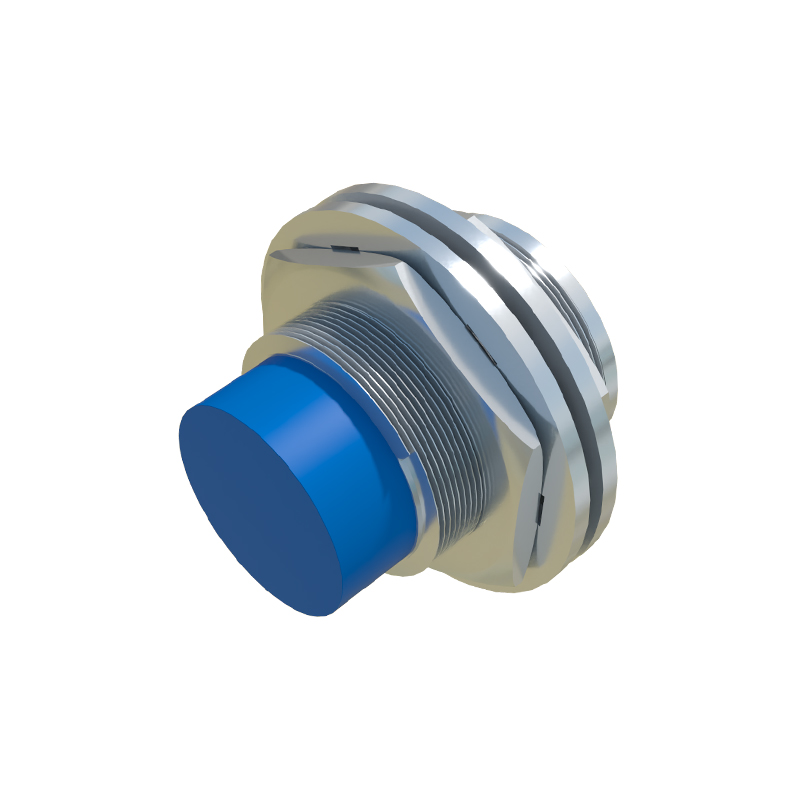
The operation of an inductive three-wire proximity sensor begins with an oscillator circuit that generates a high-frequency electromagnetic field at the sensing face. When a metallic object enters this field, eddy currents are induced on the object's surface, causing a change in the oscillator's amplitude or frequency. This change is detected by a threshold circuit, which then triggers the output switch. The output can be either normally open (NO) or normally closed (NC), and it is typically configured as a solid-state switch (e.g., NPN or PNP transistor) to provide a clean, bounce-free signal. In a three-wire setup, the output wire carries this switched signal, while the power and ground wires ensure stable operation.
One key advantage of three-wire sensors is their ability to provide a constant power supply, enabling continuous monitoring without the need for external switching. This makes them ideal for high-speed applications, such as counting parts on a conveyor belt or detecting position in machinery. Additionally, the three-wire design often includes built-in protection against short circuits, reverse polarity, and voltage spikes, enhancing durability in harsh industrial environments. Engineers must carefully select sensors based on factors like sensing range, response time, and environmental conditions (e.g., temperature, humidity) to ensure optimal performance.
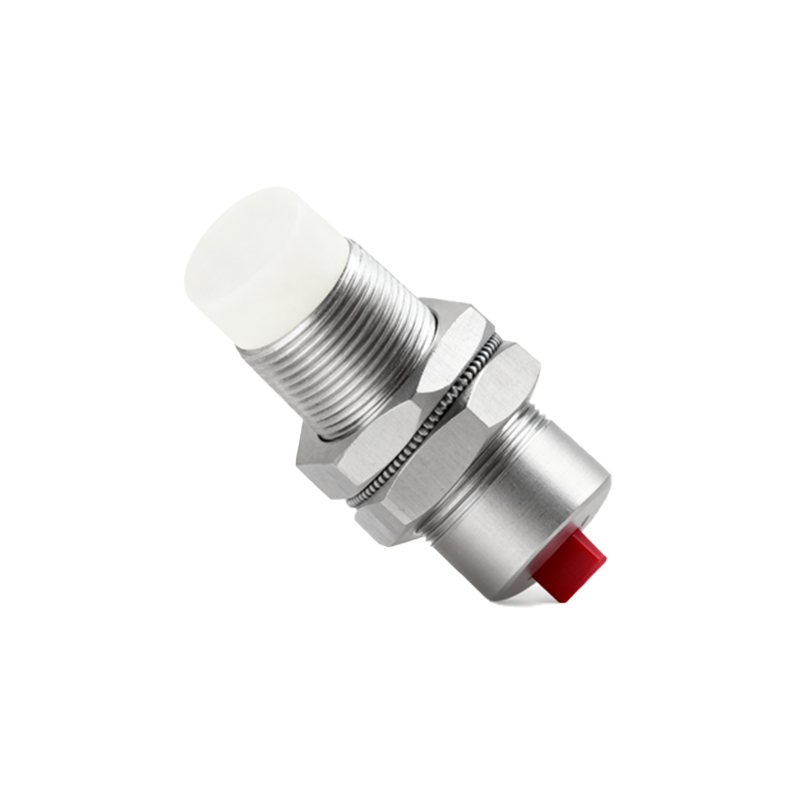
In practice, three-wire proximity sensors are deployed across diverse industries, including automotive manufacturing, packaging, and robotics. For instance, in an assembly line, they might be used to verify the presence of components before a welding operation, preventing defects and improving safety. Their non-contact nature minimizes wear and tear, reducing maintenance costs over time. When integrating these sensors, it is essential to follow wiring diagrams precisely, as incorrect connections can lead to malfunction or damage. Most manufacturers provide detailed datasheets specifying voltage ratings (commonly 10-30 V DC), current capacity, and output types to guide installation.
Looking ahead, advancements in sensor technology are driving the development of more compact and intelligent three-wire proximity sensors with features like IO-Link communication for real-time diagnostics. However, the fundamental working principle remains rooted in electromagnetic or capacitive sensing, ensuring consistent detection capabilities. As automation continues to evolve, understanding these principles will empower electrical engineers to design efficient and reliable control systems. In summary, three-wire proximity sensors offer a robust solution for object detection, combining simplicity with high performance in industrial settings.