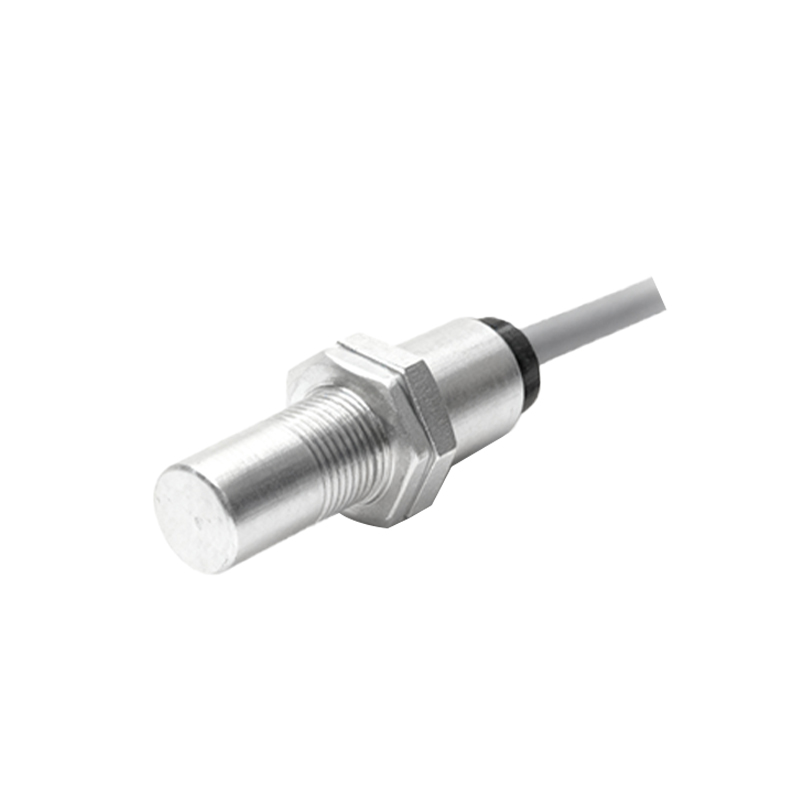
Proximity sensors have become indispensable components in modern industrial automation and control systems. Their primary function is to detect the presence or absence of an object within a specified range without any physical contact. This non-contact detection capability is the cornerstone of their widespread application and offers several distinct characteristics that set them apart from traditional mechanical switches.
One of the most significant characteristics of proximity sensors is their reliability and longevity. Since there is no physical contact with the target object, there is no mechanical wear and tear. This leads to a dramatically extended operational lifespan compared to limit switches, reducing maintenance costs and downtime. They are exceptionally well-suited for harsh industrial environments, being resistant to contaminants like oil, dust, and coolant. Many models feature robust housings with high Ingress Protection (IP) ratings, ensuring reliable performance even in washdown conditions common in food processing or pharmaceutical manufacturing.
Another key feature is their high-speed response and switching frequency. Proximity sensors can detect objects at very high speeds, making them ideal for applications involving fast-moving parts on assembly lines, packaging machinery, or high-speed counting tasks. Their response time is typically in the microsecond or millisecond range, enabling precise timing and control in automated processes. This speed is unattainable for mechanical devices that suffer from bounce and physical inertia.
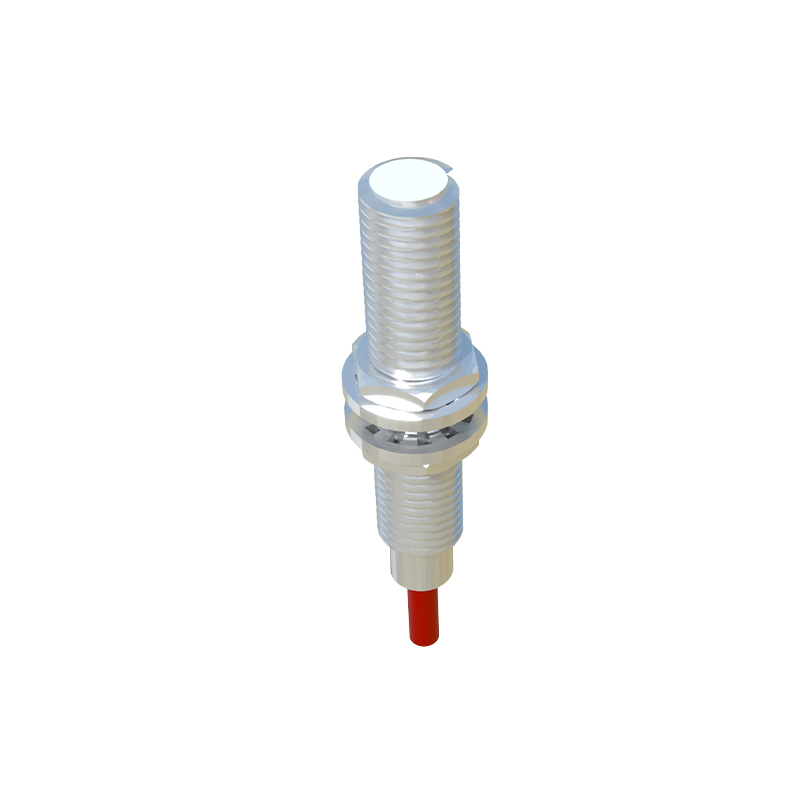
Precision and repeatability are further hallmarks. Inductive proximity sensors, for detecting metallic objects, and capacitive sensors, for detecting both metallic and non-metallic materials, offer highly accurate detection distances. The switching point is consistent, providing repeatable operation critical for positioning applications, such as verifying the presence of a part in a robotic gripper or ensuring a workpiece is correctly seated in a machining center. This eliminates errors associated with mechanical actuator alignment.
Furthermore, proximity sensors contribute to system simplification and flexibility. Their compact sizes allow for installation in space-constrained locations. The absence of moving parts on the sensor face means they can be mounted flush with metal surfaces without fear of damage. This simplifies machine design and installation. Many modern sensors also offer advanced diagnostics via IO-Link or other industrial networks, providing data on operational status, temperature, or switch cycle counts, facilitating predictive maintenance.
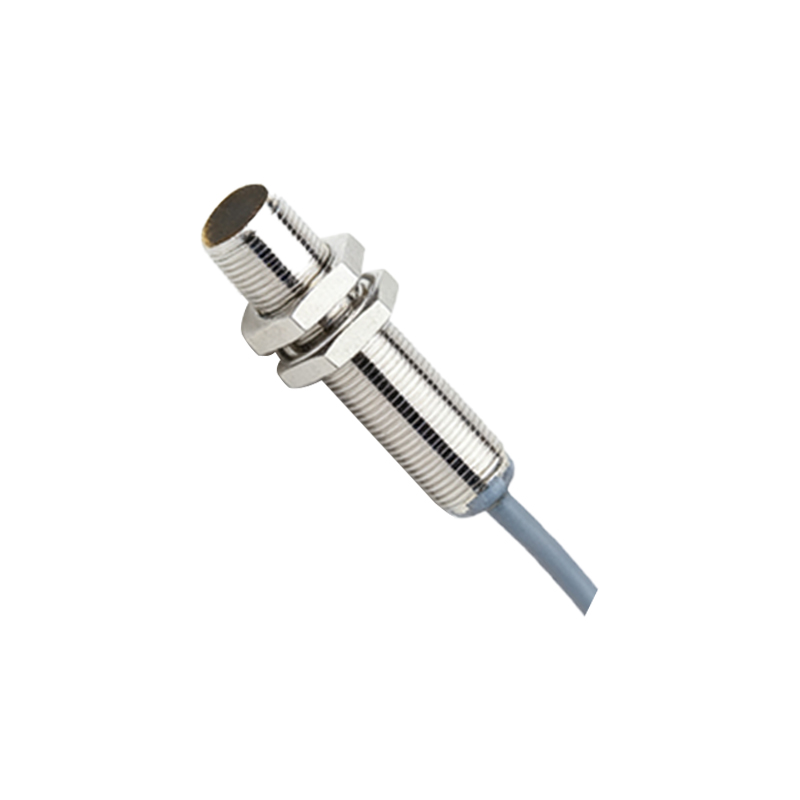
The application spectrum of proximity sensors is vast. In automotive manufacturing, they are used for robot guidance, part verification, and end-of-arm tooling detection. In material handling, they monitor pallet positions, control conveyor gates, and detect product levels in silos (using capacitive models). In the packaging industry, they ensure correct cap placement on bottles and count products. Machine tools rely on them for tool breakage detection, spindle positioning, and door interlocking for safety.
In summary, the defining characteristics of proximity sensors—non-contact operation, exceptional durability, high-speed performance, precision, and environmental robustness—make them a superior choice for countless industrial applications. They enhance automation system efficiency, reliability, and intelligence, forming a critical link in the advancement of smart factories and Industry 4.0 initiatives. Their ability to provide consistent, wear-free detection translates directly into improved productivity and reduced total cost of ownership for industrial operations.