In the rapidly evolving landscape of industrial automation and smart device integration, the demand for precise, reliable, and space-saving components has never been higher. Among these critical components, proximity switch miniature sensors stand out as fundamental elements enabling non-contact detection and control in a vast array of applications. Their compact design belies their significant impact on efficiency, safety, and system miniaturization.
A proximity switch, at its core, is a sensor that detects the presence or absence of an object within a specified range without any physical contact. Miniature variants take this functionality and package it into an exceptionally small form factor. This miniaturization is driven by the need to fit sensors into tight spaces within modern machinery, consumer electronics, robotic assemblies, and automotive systems. The primary working principles remain consistent with their larger counterparts, typically relying on electromagnetic, capacitive, or optical technologies.
Inductive miniature proximity sensors are widely used for detecting metallic objects. They generate an electromagnetic field; when a metal target enters this field, it induces eddy currents, causing a change in the sensor's oscillation amplitude. This change is processed by the internal circuitry to switch the output state. Their robustness, resistance to environmental factors like dust or oil, and high switching frequency make them ideal for factory automation, such as counting metal parts on a conveyor or determining the position of a robotic arm.
Capacitive miniature sensors, on the other hand, can detect both metallic and non-metallic materials—liquids, plastics, wood, or glass. They function by measuring changes in capacitance caused by the presence of any material that alters the dielectric constant of the space between the sensor's electrode and the ground. This versatility finds applications in level detection for small containers, material handling, and touch-sensitive interfaces in compact devices.
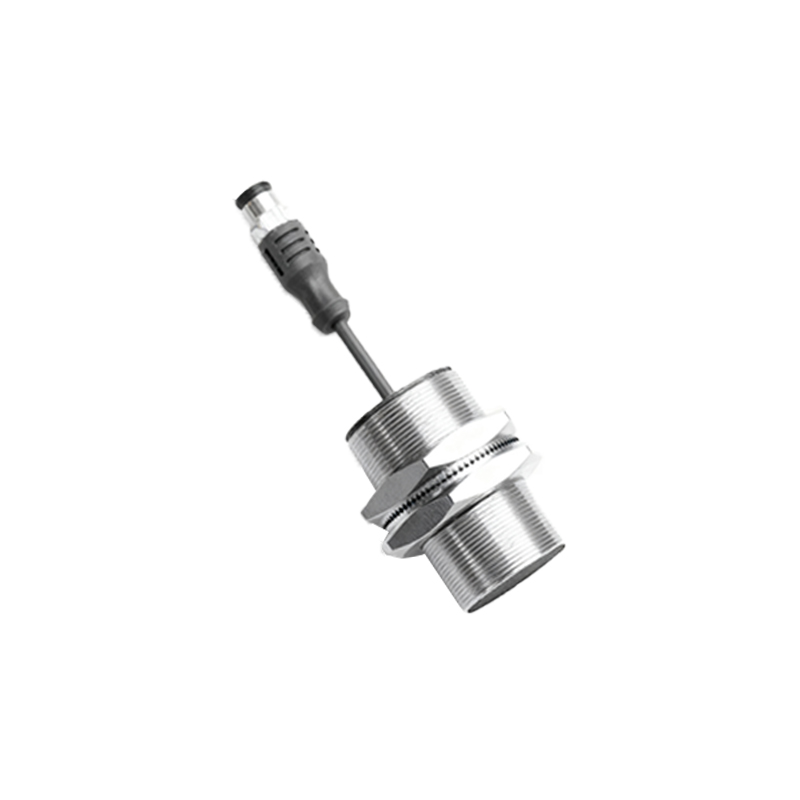
Optical miniature proximity sensors, including through-beam, retro-reflective, and diffuse-reflective types, use a light emitter and a photoelectric receiver. The interruption or reflection of a light beam signals an object's presence. Their ability to detect tiny objects at relatively longer ranges, albeit within miniaturized housings, is crucial in semiconductor manufacturing, pharmaceutical packaging, and automated assembly lines where precision is paramount.
The advantages of opting for a miniature design are multifaceted. First and foremost is space savings. Engineers can integrate these sensors into increasingly dense electronic and mechanical layouts without compromising functionality. Secondly, their low mass and small size reduce mechanical stress on mounting points and allow for installation in moving parts. Thirdly, despite their size, modern miniature sensors offer impressive performance metrics, including sub-millimeter repeat accuracy, high switching speeds, and resilience to vibration. Energy efficiency is another key benefit, as many models are designed for low-power operation, extending battery life in portable or wireless applications.
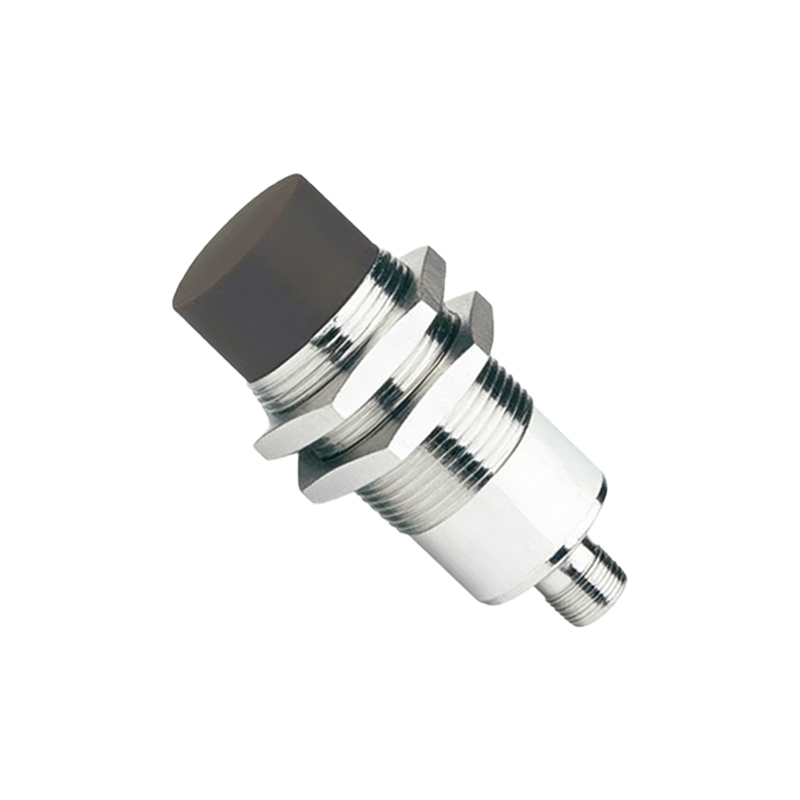
Selecting the right miniature proximity sensor requires careful consideration of several parameters. The sensing distance, or nominal range, is typically shorter than standard sensors due to the smaller coil or detection element, making accurate measurement of the application's gap essential. The target material dictates the technology choice—inductive for metals, capacitive for diverse materials, optical for precise non-contact detection. Environmental conditions such as temperature extremes, potential washdowns, or exposure to chemicals necessitate checking the sensor's ingress protection (IP) rating and housing material, often stainless steel or PBT plastic for durability. Output configuration (PNP/NPN, analog, IO-Link) must also be compatible with the control system.
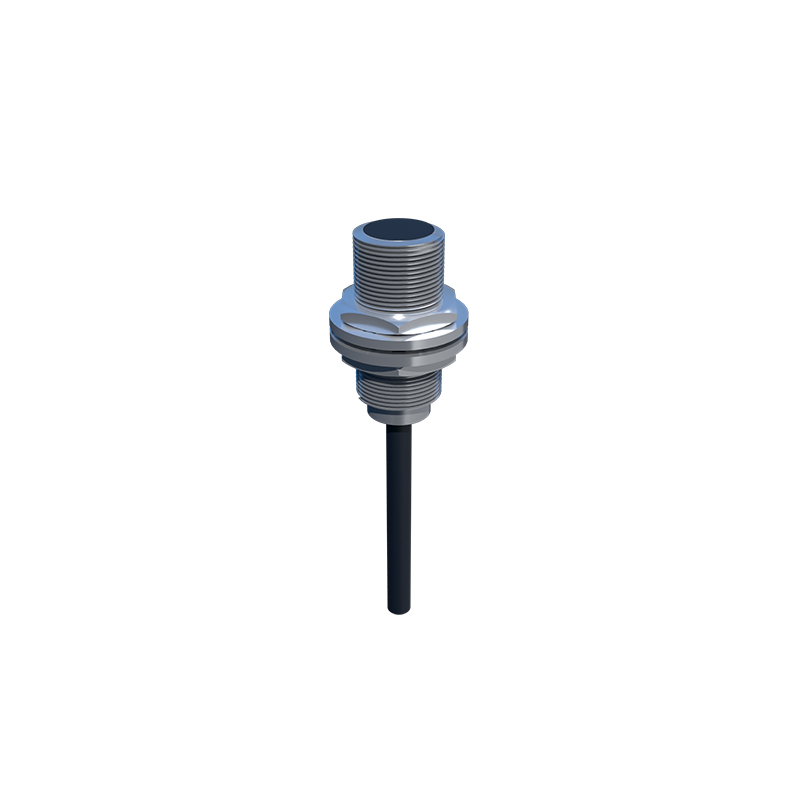
The proliferation of the Internet of Things (IoT) and Industry 4.0 is further propelling the innovation in this field. Smart miniature sensors now come equipped with digital communication interfaces like IO-Link, providing not just switching signals but also detailed diagnostic data—operating temperature, signal strength, and device health—enabling predictive maintenance and smarter process optimization. This intelligence, packed into a tiny housing, is transforming how systems are monitored and controlled.
From intricate robotic grippers that need to sense object pickup to miniature valves requiring position feedback, and from consumer smartphones enabling screen blanking during calls to medical devices ensuring precise fluid handling, proximity switch miniature sensors are ubiquitous enablers of innovation. Their continued development focuses on pushing the limits of smaller size, longer sensing ranges, lower power consumption, and enhanced connectivity. As automation trends toward greater precision and miniaturization, these compact sensors will undoubtedly remain at the forefront, silently and reliably forming the sensory backbone of the technological world around us.