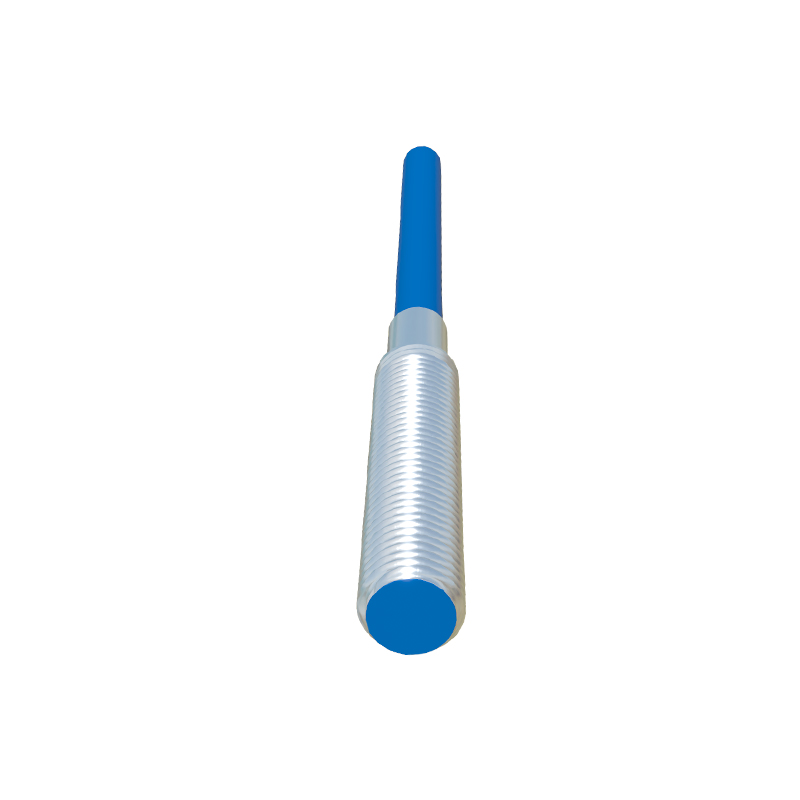
Proximity sensors are indispensable components in modern industrial automation, robotics, and safety systems. They detect the presence or absence of an object without physical contact, offering reliability, longevity, and precision. Understanding their underlying principles is crucial for selecting the right sensor for a specific application. This article delves into the working principles of six primary types of proximity sensors, providing a clear technical overview for electrical engineers and industry professionals.
The first type is the Inductive Proximity Sensor. It operates on the principle of electromagnetic induction. The sensor contains a coil wound around a ferrite core, which generates an oscillating electromagnetic field. When a metallic object enters this field, eddy currents are induced in the object, causing a change in the oscillation amplitude or frequency. This change is detected by the sensor's circuitry, triggering an output signal. Inductive sensors are highly effective for detecting ferrous and non-ferrous metals but are unsuitable for non-metallic materials. Common applications include position sensing in machinery, metal detection, and automated assembly lines.
Second, Capacitive Proximity Sensors function based on changes in capacitance. The sensor forms one plate of a capacitor, with the target object acting as the other plate. An oscillator circuit generates an electrical field between these plates. When an object enters the sensing zone, it alters the dielectric constant and the capacitance of the system, leading to a change in the oscillator's amplitude. This change is processed to produce an output. Unlike inductive sensors, capacitive types can detect both metallic and non-metallic materials, including liquids, powders, and plastics. They are widely used in level detection, material handling, and touch-sensitive interfaces.
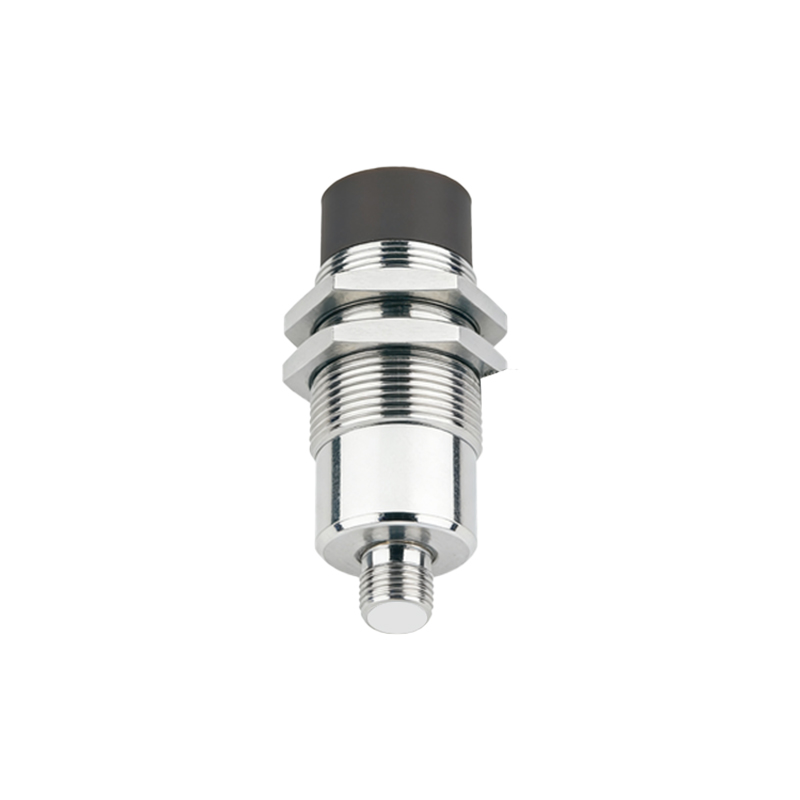
Third, Ultrasonic Proximity Sensors utilize sound waves beyond the human hearing range, typically above 20 kHz. These sensors emit ultrasonic pulses from a transducer. When a pulse strikes an object, it reflects back to the sensor. The time interval between emission and reception of the echo is measured to calculate the distance to the object. This time-of-flight principle allows for precise distance measurement and presence detection, regardless of the object's material, color, or transparency. Ultrasonic sensors excel in challenging environments with dust, moisture, or varying light conditions, making them ideal for tank level monitoring, collision avoidance, and object counting.
Fourth, Photoelectric Proximity Sensors employ light beams to detect objects. They consist of a light emitter (usually an LED or laser diode) and a receiver. When an object interrupts or reflects the light beam, the receiver detects the change in light intensity, triggering an output. Photoelectric sensors come in several configurations: through-beam (separate emitter and receiver), retro-reflective (uses a reflector), and diffuse (reflects light off the object itself). They are versatile, capable of sensing a wide range of materials over long distances, and are commonly applied in packaging, conveyor systems, and security.
Fifth, Magnetic Proximity Sensors, often referred to as reed switches or Hall effect sensors, detect magnetic fields. Reed switches consist of two ferromagnetic reeds sealed in a glass tube. When a magnet approaches, the reeds attract and close the circuit. Hall effect sensors, on the other hand, generate a voltage proportional to the magnetic field strength when a current-carrying conductor is placed in a magnetic field. These sensors are robust, immune to environmental factors like dirt and moisture, and are primarily used for detecting permanent magnets in position sensing, speed measurement, and door/window security systems.
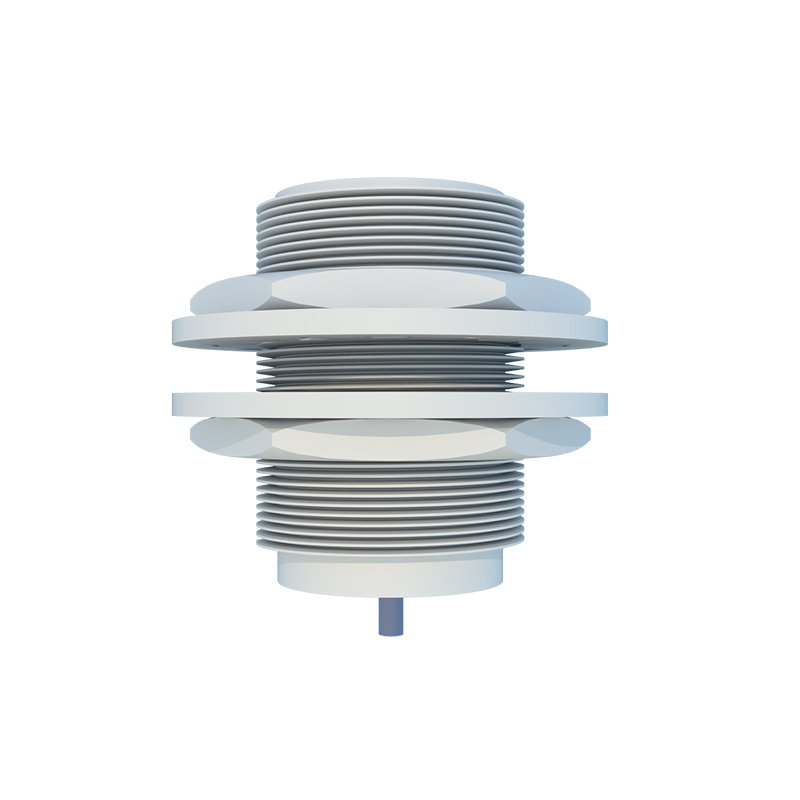
Lastly, the sixth type is the Eddy-Current Proximity Sensor, a specialized variant often used for precision displacement and vibration measurement. It works similarly to inductive sensors but at higher frequencies, generating eddy currents in conductive materials. The interaction between the sensor's coil and the eddy currents affects the coil's impedance, which is precisely measured to determine the distance to the target. These sensors offer high resolution and are critical in applications such as rotational runout detection, bearing monitoring, and alignment in turbines and motors.
Each sensor type has distinct advantages and limitations. Inductive and capacitive sensors are favored for general-purpose proximity detection, while ultrasonic and photoelectric sensors provide solutions for non-contact distance measurement. Magnetic sensors offer durability in harsh conditions, and eddy-current sensors deliver exceptional accuracy for dynamic measurements. Engineers must consider factors like target material, sensing range, environmental conditions, response time, and cost when integrating these sensors into systems. As technology advances, smart sensors with integrated diagnostics and communication protocols (like IO-Link) are enhancing functionality, enabling predictive maintenance and improved system efficiency. Mastery of these principles ensures optimal sensor selection, leading to more reliable, efficient, and innovative automated solutions in the electrical and industrial engineering fields.