Proximity switch sensors for light sources, often referred to as photoelectric proximity sensors, are essential components in modern industrial automation, offering non-contact detection capabilities. These sensors operate based on the interaction between emitted light and the target object, providing reliable and precise sensing in various applications. The fundamental principle involves a light emitter, typically an LED or laser diode, which projects a beam of light toward the detection area. When an object enters this area, it interrupts or reflects the light beam, depending on the sensor type. The receiver component, such as a phototransistor or photodiode, detects changes in light intensity and converts them into electrical signals. These signals are then processed by internal circuitry to trigger an output, such as switching a relay or sending a signal to a control system.
There are three primary types of photoelectric proximity sensors: through-beam, retro-reflective, and diffuse reflective. Through-beam sensors consist of separate emitter and receiver units placed opposite each other. The object detection occurs when the light beam is broken by an object passing between them. This type offers long sensing distances and high accuracy but requires precise alignment. Retro-reflective sensors use a single unit housing both emitter and receiver, with a reflector placed opposite the sensor. The light beam returns to the receiver via the reflector, and detection happens when an object obstructs the beam. These sensors are easier to install than through-beam types but may be affected by reflective surfaces. Diffuse reflective sensors, also known as proximity mode sensors, have the emitter and receiver in one housing and rely on light reflecting directly off the target object. They are compact and suitable for detecting objects at close range, though sensing distance can vary based on object color and surface texture.
Key technical aspects include light source selection, sensing range, and environmental adaptability. Common light sources include visible red, infrared, and laser light, each with specific advantages. For instance, infrared light is less affected by ambient light interference, making it ideal for harsh environments. Sensing range depends on factors like light intensity and receiver sensitivity, with some models capable of detecting objects from a few millimeters to several meters away. Environmental factors such as dust, moisture, and temperature fluctuations can impact performance, so sensors often feature protective housings and filtering circuits to ensure stability. Advanced models incorporate background suppression technology, which uses triangulation principles to ignore distant objects and focus on targets within a set range, enhancing accuracy in complex settings.
Applications of these sensors span numerous industries, including manufacturing, packaging, and automotive. In assembly lines, they detect product presence, count items, or monitor positioning. In automated systems, they enable safety functions by sensing human proximity to machinery. The integration with programmable logic controllers (PLCs) and industrial networks allows for seamless automation, improving efficiency and reducing downtime. When selecting a sensor, engineers consider parameters like response time, output type (e.g., NPN or PNP), and housing material to match operational needs. Regular maintenance, such as lens cleaning and alignment checks, ensures long-term reliability.
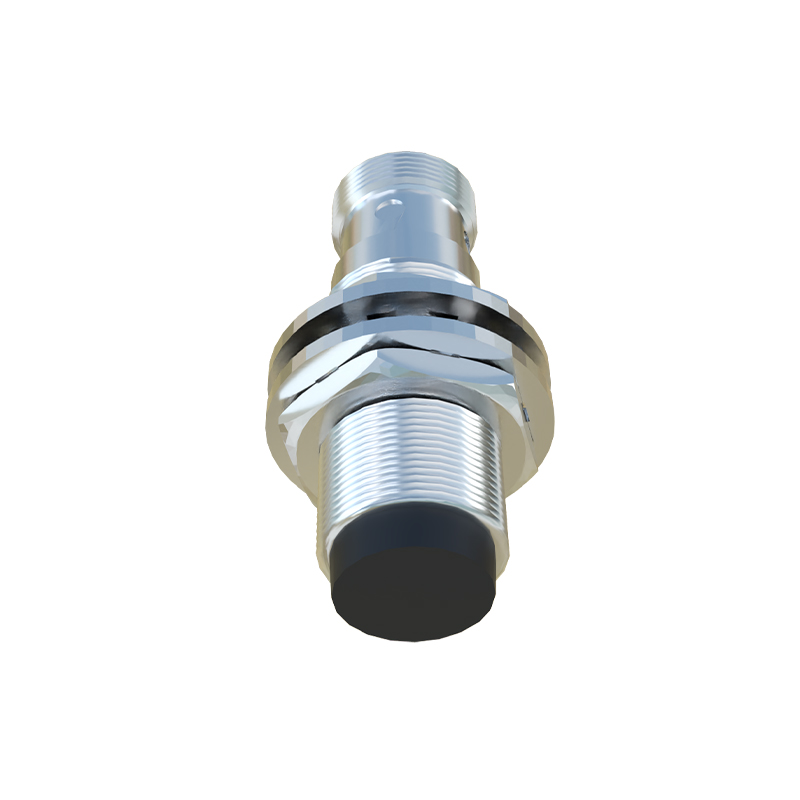
In summary, proximity switch sensors for light sources leverage optical principles to provide non-contact detection, offering versatility and precision in industrial automation. Their design and functionality continue to evolve with advancements in LED technology and digital signal processing, driving innovation in smart manufacturing and IoT applications. By understanding their working principles and types, engineers can optimize system performance and adapt to diverse operational challenges.