In the realm of industrial automation and control systems, the selection of a proximity sensor is a critical decision that impacts reliability, efficiency, and overall system performance. As a seasoned electrical engineer, I am often asked, "Which brand of proximity sensor is the best?" The answer, unsurprisingly, is not a simple one. The "best" brand is highly contingent upon the specific application, environmental conditions, required sensing technology, and budget constraints. However, by analyzing the market leaders and their core competencies, we can provide a clear framework for making an informed choice.
The global market for proximity sensors is dominated by several key players, each with distinct strengths. Brands like Sick, Pepperl+Fuchs, Omron, Balluff, and ifm electronic consistently rank at the top for quality, innovation, and global support.
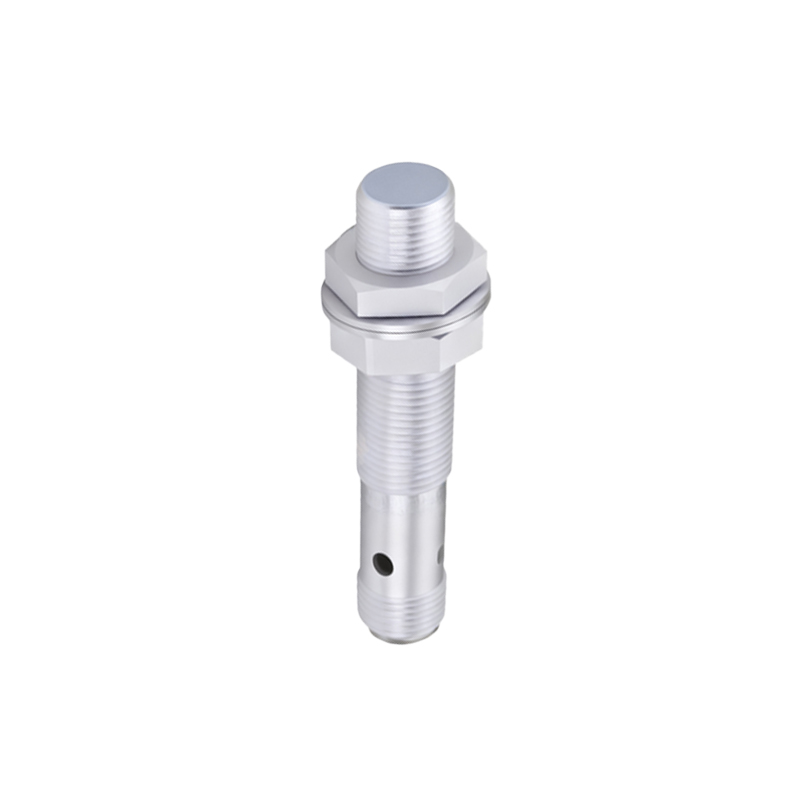
Sick AG is renowned for its precision and advanced diagnostic capabilities. Their sensors, particularly in the photoelectric and inductive categories, are engineered for demanding environments. Sick often integrates intelligent functions like IO-Link, providing extensive data beyond a simple on/off signal. This makes them an excellent choice for Industry 4.0 applications and complex machinery where predictive maintenance and process data are paramount.
Pepperl+Fuchs is a powerhouse, especially in intrinsic safety and hazardous area applications. Their expertise in explosion-proof (Ex) designs is unparalleled. If your application involves potentially explosive atmospheres (like in chemical, oil, and gas industries), Pepperl+Fuchs should be at the top of your evaluation list. Their product range is vast, and their build quality is exceptional, ensuring longevity in harsh conditions.
Omron offers an incredibly broad portfolio with a strong emphasis on reliability and cost-effectiveness. They are a go-to brand for high-volume, standardized applications across various industries, including packaging, automotive, and semiconductor manufacturing. Omron sensors are known for their consistent performance, ease of integration, and competitive pricing, making them a versatile and safe bet for many general-purpose uses.
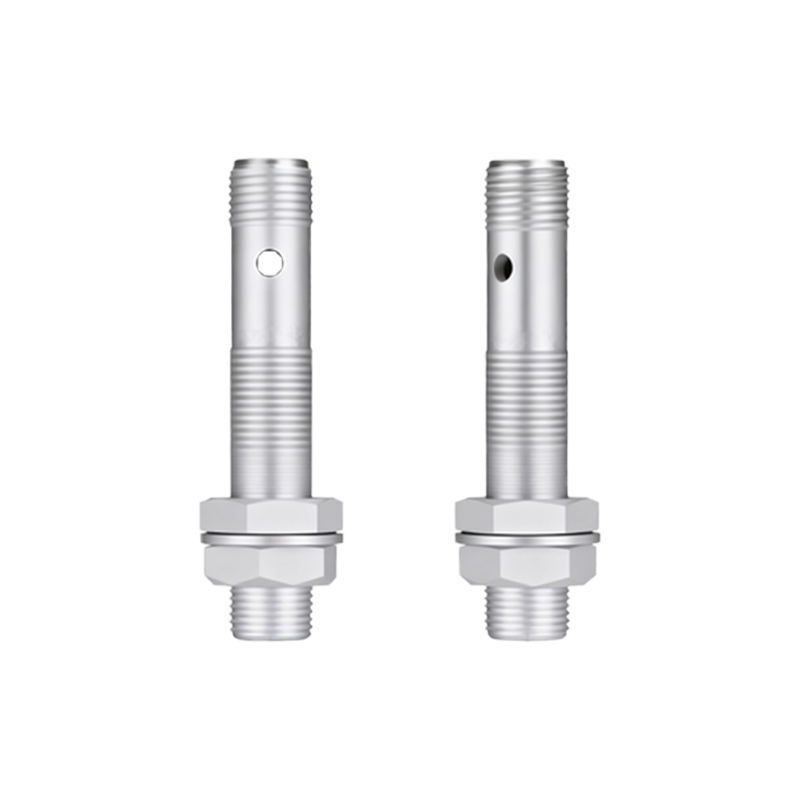
Balluff excels in innovation and miniaturization. They are pioneers in RFID systems and highly compact sensor designs. For applications with severe space constraints or those requiring sophisticated identification solutions alongside sensing, Balluff provides cutting-edge products. Their service and ability to offer customized solutions are also significant advantages for specialized projects.
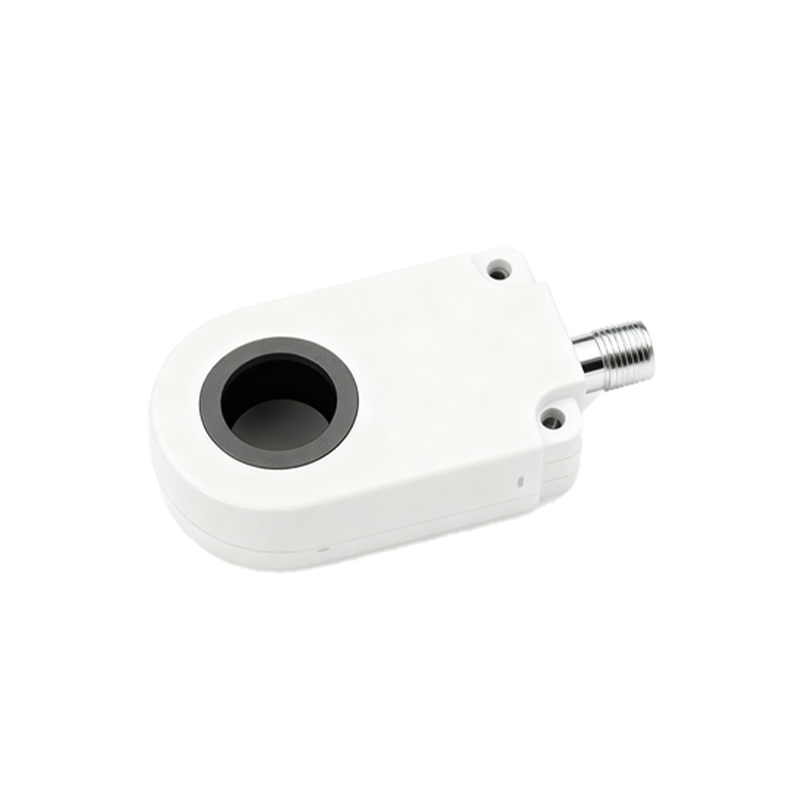
ifm electronic stands out for its user-friendly design, robustness, and comprehensive diagnostic features. Many ifm sensors feature built-in indicators that show signal strength and alignment quality, drastically simplifying installation and troubleshooting. Their focus on making advanced technology accessible and reliable for everyday industrial use has earned them a loyal following in material handling, food and beverage, and automotive sectors.
Beyond brand reputation, the technical specifications are king. First, identify the required sensing technology: inductive (for metals), capacitive (for non-metals, liquids, granular materials), ultrasonic (for distance and level), or photoelectric (for precise detection over longer ranges). Each brand has specialties within these technologies.
Environmental factors are non-negotiable. Consider the IP (Ingress Protection) rating for dust and water resistance, temperature range, resistance to chemicals or welding spatter, and mechanical stress like vibration. A brand like Pepperl+Fuchs or Sick might be superior for extreme environments, while Omron might be optimal for a clean, controlled setting.
Finally, consider the total cost of ownership. This includes not just the initial purchase price but also installation costs, maintenance needs, downtime risks, and the value of added data from smart sensors. A slightly more expensive sensor from ifm or Balluff with superior diagnostics could save thousands in troubleshooting time over its lifespan.
In conclusion, there is no single "best" brand universally. For hazardous areas, prioritize Pepperl+Fuchs. For advanced data integration and precision, lean towards Sick or ifm. For cost-effective, high-volume reliability, Omron is a leader. For space-constrained or identification-heavy applications, explore Balluff. The optimal approach is to clearly define your application requirements, then benchmark products from these top-tier manufacturers against those criteria. Partnering with a knowledgeable distributor who stocks multiple brands can also provide invaluable, unbiased comparative insights for your specific project.