Proximity sensors designed for human detection are integral components in modern automation, security, and interactive systems. Their primary function is to detect the presence or absence of a person within a specified area without physical contact. The effective range of these sensors is a critical parameter that determines their suitability for various applications. This range is not a single fixed value but a spectrum influenced by sensor technology, environmental conditions, and target characteristics.
The core technologies behind human proximity sensing include passive infrared (PIR), capacitive, ultrasonic, microwave (radar), and time-of-flight (ToF) sensors. Each operates on different principles, leading to distinct range capabilities. PIR sensors, common in lighting and security, detect changes in infrared radiation emitted by the human body. Their typical range is limited, often between 5 to 12 meters, with a detection zone shaped like a curtain or fan. They are excellent for cost-effective presence detection but cannot measure exact distance.
Capacitive sensors detect changes in an electrostatic field caused by a conductive object like the human body. Their range is very short, usually from a few millimeters up to about 50 millimeters, making them ideal for touchless switches or faucets where close proximity is required. Ultrasonic sensors emit high-frequency sound waves and measure the echo's return time. They can offer ranges from a few centimeters up to several meters (e.g., 1-5 meters for human detection) and are less affected by object color or transparency, but can be sensitive to environmental noise and air currents.
Microwave and radar-based sensors emit electromagnetic waves and are highly sensitive to movement. They can cover longer ranges, from 5 meters to over 20 meters, and can even detect through certain non-metallic materials like drywall. This makes them suitable for advanced security systems and occupancy detection in large spaces. Time-of-Flight (ToF) sensors, which use infrared light to measure distance precisely, are becoming prevalent in consumer electronics and robotics. They offer a good balance, with common ranges for human detection between 0.1 to 5 meters, providing accurate distance data for gesture control or collision avoidance.
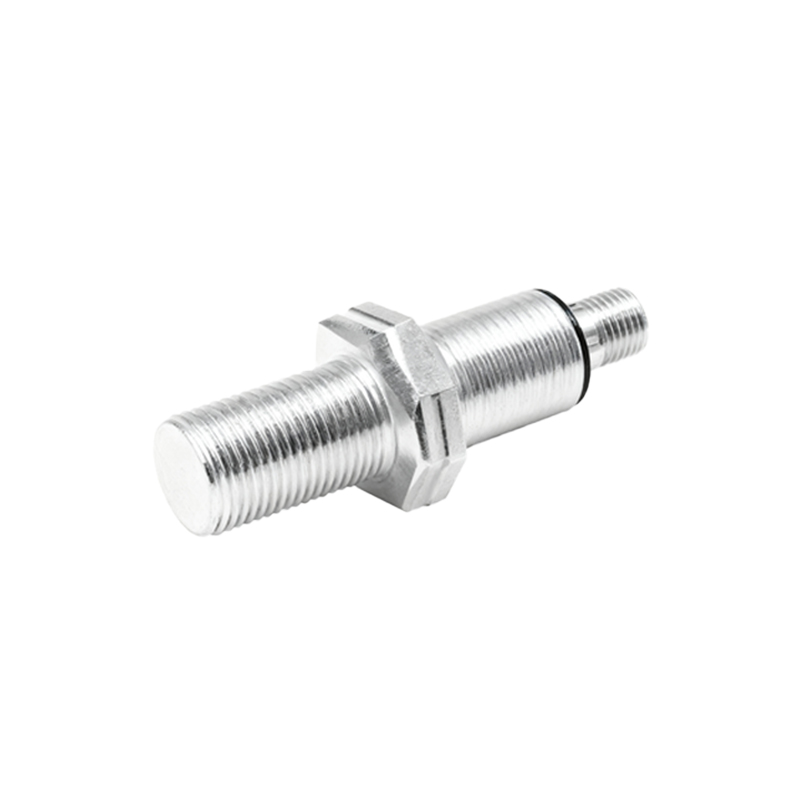
The advertised maximum range of a sensor is a theoretical value achieved under ideal laboratory conditions. In real-world deployment, the effective range is often shorter. Key factors that attenuate or influence range include the sensor's mounting angle and height, environmental temperature (especially for PIR), humidity, airborne particles (dust, fog), and electromagnetic interference. The presence of obstacles, background clutter, and the reflectivity or size of the target person also play significant roles. For instance, a person walking directly toward a sensor will be detected at a longer range than someone moving laterally across its field of view.
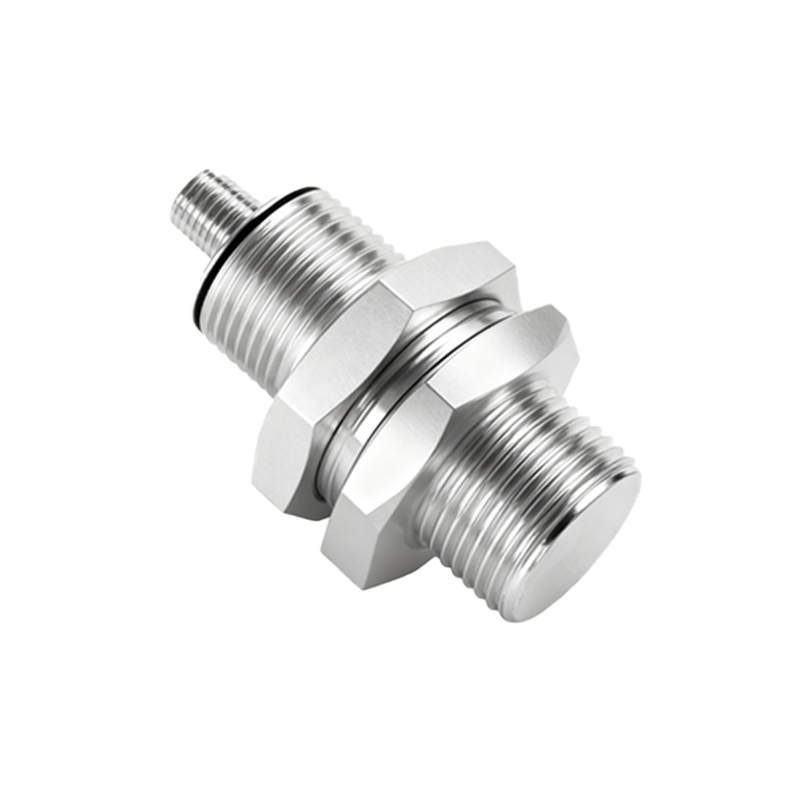
Furthermore, the concept of "range" must be considered alongside the "field of view" (FOV). A sensor with a 10-meter range but a very narrow 15-degree FOV creates a long, thin detection zone. Conversely, a sensor with a 5-meter range and a 120-degree FOV creates a wide, short zone. The application dictates which combination is preferable. A long, narrow FOV is suitable for corridor monitoring, while a wide, short FOV is perfect for detecting approach to an interactive kiosk.
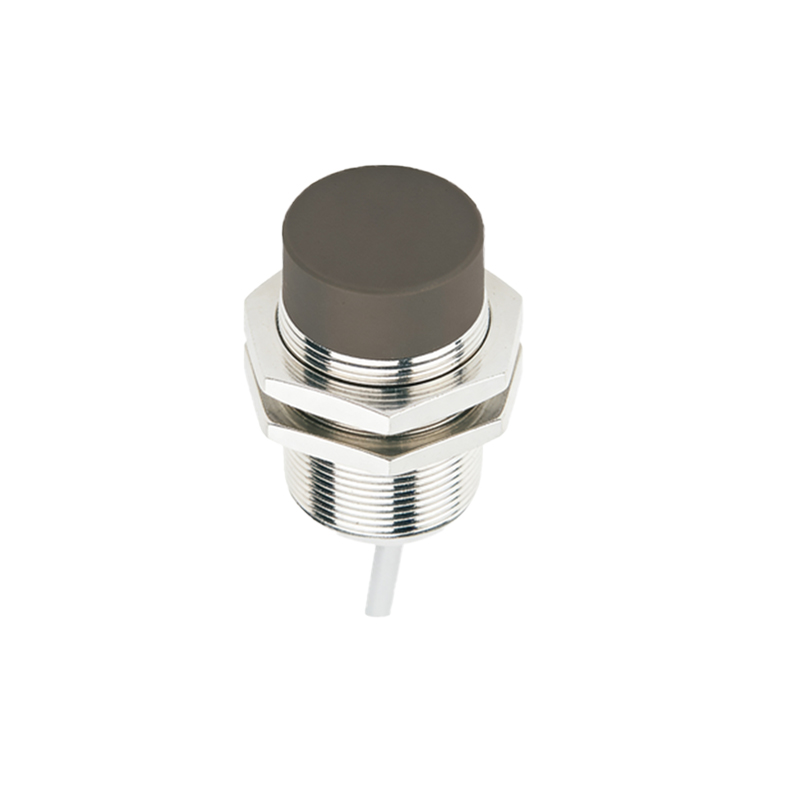
Choosing the correct sensor range involves a careful analysis of the application requirements. For automatic doors, a range of 2-4 meters with a wide FOV is typical. For warehouse safety systems to prevent forklift-pedestrian accidents, longer-range radar sensors (10m+) are necessary. In smart home lighting, PIR sensors with 5-8 meter ranges are standard. Over-specifying range can lead to false triggers from activity in unwanted areas, while under-specifying results in missed detections.
Installation and calibration are the final steps to ensure the sensor performs to its specified range. Following manufacturer guidelines for mounting height, avoiding obstructions, and minimizing exposure to direct environmental stressors is crucial. Regular maintenance, such as cleaning the lens of optical sensors, ensures consistent performance over time.
In conclusion, the range of a human proximity sensor is a multifaceted specification deeply tied to its underlying technology and operational environment. A successful implementation requires moving beyond the datasheet's maximum number to understand the practical detection zone under real conditions. By matching the sensor's range and FOV characteristics to the specific spatial and functional needs of the application, designers and engineers can create systems that are efficient, reliable, and responsive to human presence.