In the realm of industrial automation and electrical engineering, proximity sensors play a pivotal role in detecting the presence or absence of objects without physical contact. Among the diverse types available, withstand voltage proximity sensors stand out due to their specialized design and robust performance in demanding environments. These sensors are engineered to operate reliably in conditions where high electrical noise, voltage spikes, or potential insulation breakdowns are prevalent, making them indispensable in applications such as power distribution systems, heavy machinery, and high-voltage equipment.
One of the defining characteristics of withstand voltage proximity sensors is their enhanced insulation and shielding capabilities. Unlike standard proximity sensors, which may falter under electrical stress, these sensors incorporate advanced materials and construction techniques to prevent leakage currents and ensure signal integrity. For instance, they often feature reinforced casings made from high-grade plastics or ceramics, along with internal components that are meticulously isolated to withstand voltage surges up to several kilovolts. This design not only safeguards the sensor itself but also protects connected control systems from damage, thereby reducing downtime and maintenance costs in industrial settings.
Another key feature is their immunity to electromagnetic interference (EMI) and radio frequency interference (RFI). In environments with high-power electrical equipment, such as manufacturing plants or substations, electromagnetic noise can easily disrupt sensor signals, leading to false triggers or operational failures. Withstand voltage proximity sensors are equipped with specialized filtering circuits and shielding that minimize the impact of such interference. This ensures accurate and stable detection, even when installed near motors, transformers, or welding machines, where electrical noise levels are typically elevated.
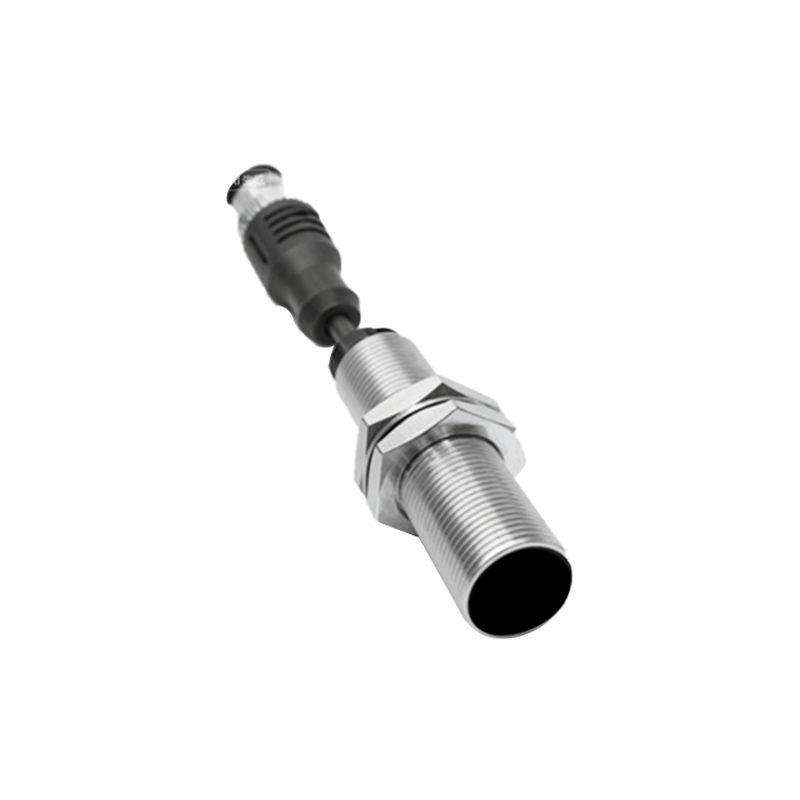
Durability and longevity are also hallmarks of these sensors. They are built to endure harsh conditions, including extreme temperatures, humidity, and vibration. Many models comply with international standards for ingress protection (IP ratings), ensuring resistance to dust and moisture. This ruggedness makes them suitable for outdoor applications or industries like mining, oil and gas, where environmental factors can compromise lesser sensors. Additionally, their robust construction often translates to a longer operational lifespan, providing a cost-effective solution over time despite a higher initial investment compared to standard sensors.
The output options and configurability of withstand voltage proximity sensors further enhance their versatility. They are available in various output types, including analog, digital, and IO-Link, allowing seamless integration into different control systems. Some advanced models offer adjustable sensing ranges or diagnostic features, such as self-monitoring for wear or contamination, which aids in predictive maintenance. This adaptability ensures they can meet the specific needs of diverse applications, from precision positioning in robotics to safety interlocks in high-voltage cabinets.
In terms of installation and maintenance, these sensors are designed for ease of use. Many feature standardized mounting options and connectors that simplify setup, even in confined or hazardous spaces. However, it is crucial to follow manufacturer guidelines for wiring and grounding to maximize their withstand voltage capabilities. Regular inspections for physical damage or insulation degradation are recommended, though their robust nature often reduces the frequency of such checks compared to conventional sensors.
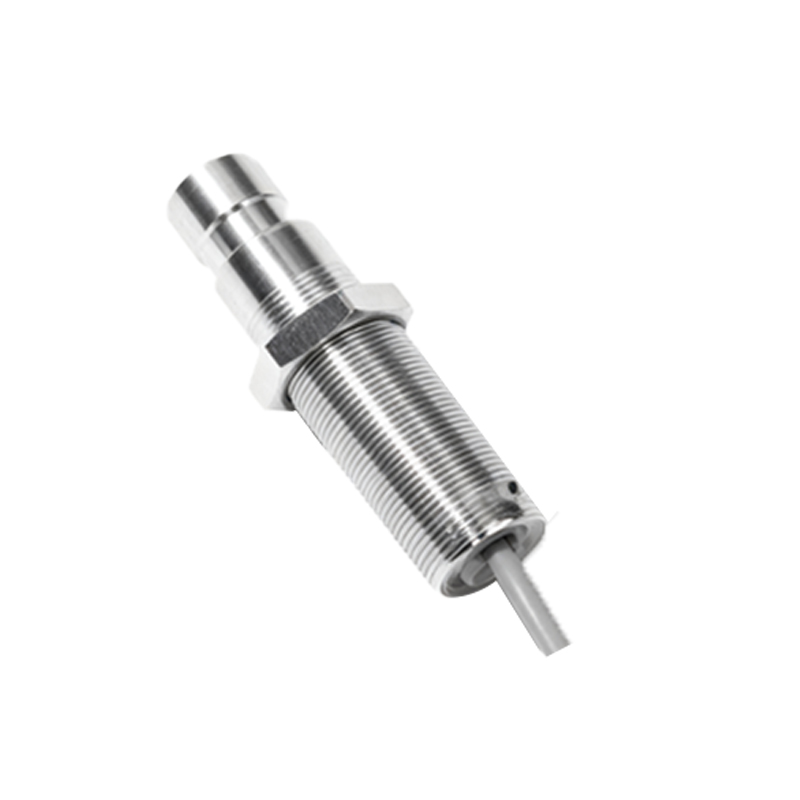
Overall, withstand voltage proximity sensors represent a critical advancement in sensor technology, offering reliability and safety in electrically challenging environments. Their ability to maintain performance under high voltage stress, coupled with features like EMI resistance and environmental durability, makes them a preferred choice for engineers prioritizing system integrity and operational continuity. As industries continue to adopt automation and smart technologies, the demand for these specialized sensors is likely to grow, driven by the need for resilient and efficient detection solutions.