Proximity sensors are essential components in modern industrial automation, offering non-contact detection of objects within a specified range. Their reliability and precision make them indispensable in applications ranging from manufacturing assembly lines to robotic systems. However, to ensure optimal performance and longevity, several critical factors must be considered during selection, installation, and maintenance.
First, understanding the operating environment is paramount. Proximity sensors are exposed to various conditions such as temperature extremes, humidity, dust, and chemical exposure. For instance, in high-temperature settings like foundries or welding stations, sensors with robust housing and high-temperature ratings (e.g., up to 100°C or more) are necessary. Similarly, in washdown environments common in food processing, sensors with IP67 or IP69K ratings provide protection against water and particulate ingress. Ignoring environmental factors can lead to premature failure, inaccurate readings, or safety hazards.
Second, the sensing technology must align with the application requirements. Inductive sensors are ideal for detecting metallic objects, while capacitive sensors can handle non-metallic materials like plastics, liquids, or wood. Ultrasonic and photoelectric sensors offer longer ranges and are suitable for diverse materials but may be affected by ambient light or sound interference. Selecting the wrong type can result in false triggers or missed detections, disrupting automated processes. For example, using an inductive sensor to detect a plastic container would be ineffective, whereas a capacitive sensor could reliably sense it.
Third, electrical characteristics and output configurations demand careful attention. Proximity sensors typically provide digital outputs (e.g., NPN or PNP) or analog signals, with voltage and current ratings that must match the control system’s input modules. Overloading a sensor with excessive current can damage it, while mismatched voltage levels may cause malfunction. Additionally, consider the switching frequency—high-speed applications, such as counting fast-moving parts on a conveyor, require sensors with rapid response times (e.g., microseconds). Neglecting these specifications can lead to system downtime or costly replacements.
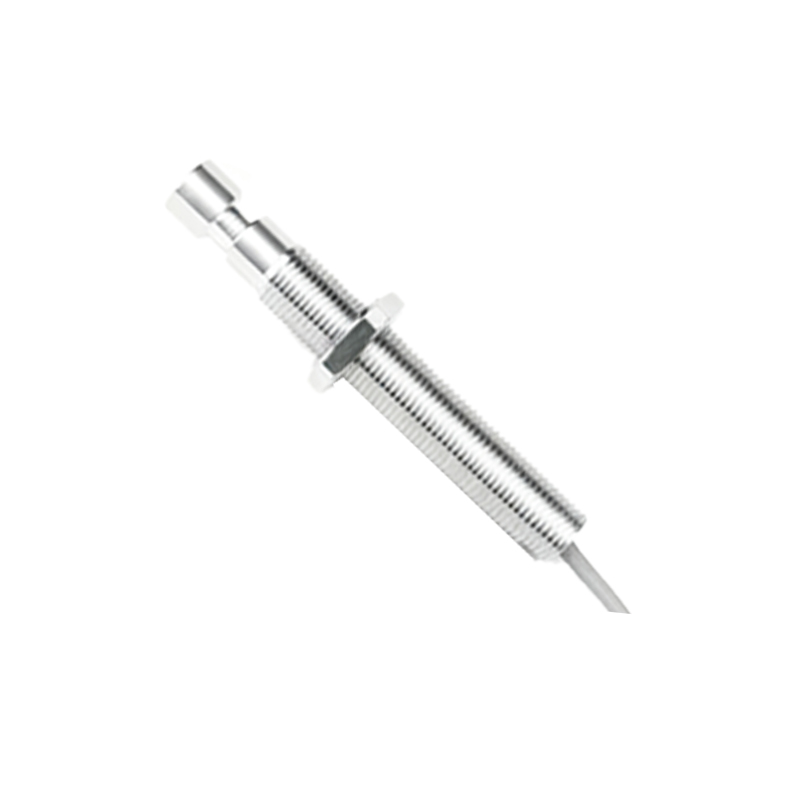
Fourth, mechanical installation plays a crucial role in performance. Proper mounting, alignment, and spacing are essential to avoid interference from adjacent metal objects or other sensors. For inductive sensors, maintaining the correct sensing distance (specified as the nominal range) is critical; placing the target too close or too far can reduce accuracy. Shielded sensors offer some protection against lateral metal interference, but unshielded types may require more clearance. Vibration-resistant mounting hardware should be used in dynamic environments to prevent loosening over time.
Fifth, calibration and testing are often overlooked but vital steps. After installation, verify the sensor’s response with actual targets under normal operating conditions. Adjust sensitivity settings if available, especially for capacitive sensors that might detect background objects. Regular maintenance, including cleaning lenses for photoelectric sensors or checking for metal shavings on inductive units, ensures consistent operation. Implementing a preventive maintenance schedule can identify issues before they escalate, reducing unplanned downtime.
In summary, proximity sensors are powerful tools when applied correctly. By evaluating environmental conditions, choosing appropriate sensing technology, matching electrical specs, ensuring precise installation, and conducting thorough testing, engineers can maximize reliability and efficiency. Always refer to manufacturer datasheets and industry standards (e.g., IEC 60947-5-2) for guidance, and consider consulting with suppliers for complex applications. With these considerations in mind, proximity sensors will deliver robust performance, enhancing automation systems across various industries.