In the rapidly evolving landscape of industrial automation, diffuse reflective proximity sensors have become indispensable components. These non-contact devices detect the presence or absence of objects by emitting a light beam (typically infrared, red, or laser) and measuring the light scattered back from the target's surface. Unlike through-beam or retro-reflective sensors, diffuse sensors require only a single unit for installation, making them highly versatile for applications with space constraints or complex mounting scenarios. Their operational principle relies on the intensity of the reflected light, which is influenced by the target's color, material, and surface texture. This guide delves into the critical technical specifications and profiles leading global suppliers that are shaping the market.
When selecting a diffuse reflective proximity sensor, engineers must evaluate several key parameters. Sensing range is paramount; standard models typically offer ranges from a few millimeters up to several meters, with specialized long-range variants available. The material and color of the target significantly affect performance. A white, reflective surface will yield a much longer effective range than a dark, absorbent one. Many advanced sensors now feature background suppression technology or fixed-field sensing, which minimizes interference from objects beyond the set focal point. Output types are another crucial consideration, with common configurations including NPN/PNP transistors, analog current (4-20 mA), analog voltage (0-10 V), and IO-Link for digital communication and parameterization. Environmental robustness, indicated by IP (Ingress Protection) ratings (e.g., IP67, IP69K), and resistance to ambient light interference are vital for harsh industrial environments like welding shops, food processing, or outdoor applications.
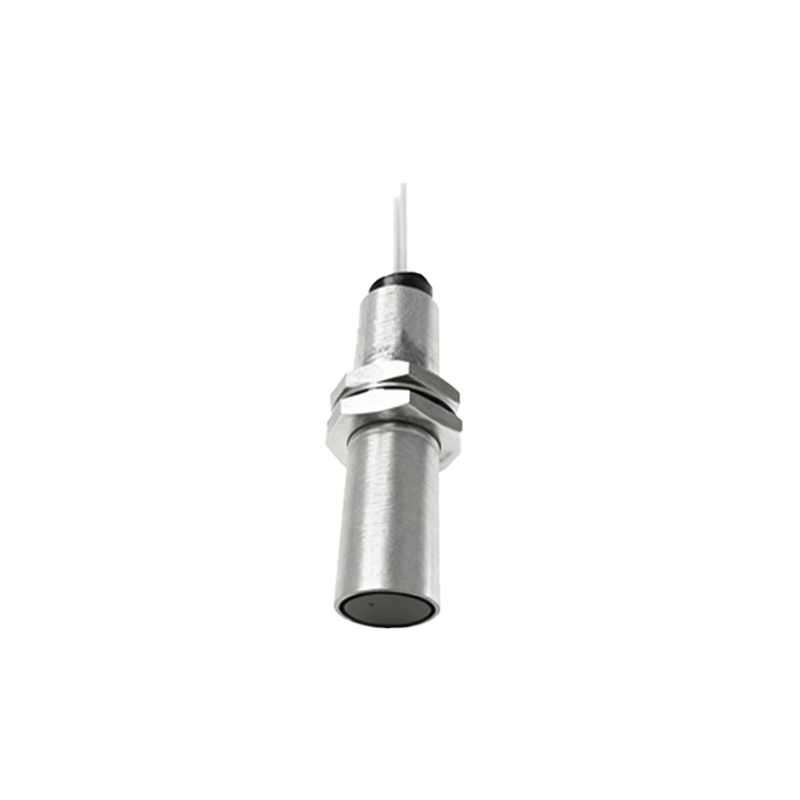
The supplier landscape for these sensors is dominated by established industrial automation giants and specialized sensor manufacturers. A leader in the field, Sick AG (Germany), offers an extensive portfolio known for exceptional precision and durability. Their product lines, such as the WTB series, incorporate advanced technologies like MultiPixel Technology for precise background suppression and high immunity to ambient light. Sick sensors are frequently specified in demanding logistics, packaging, and automotive assembly lines.
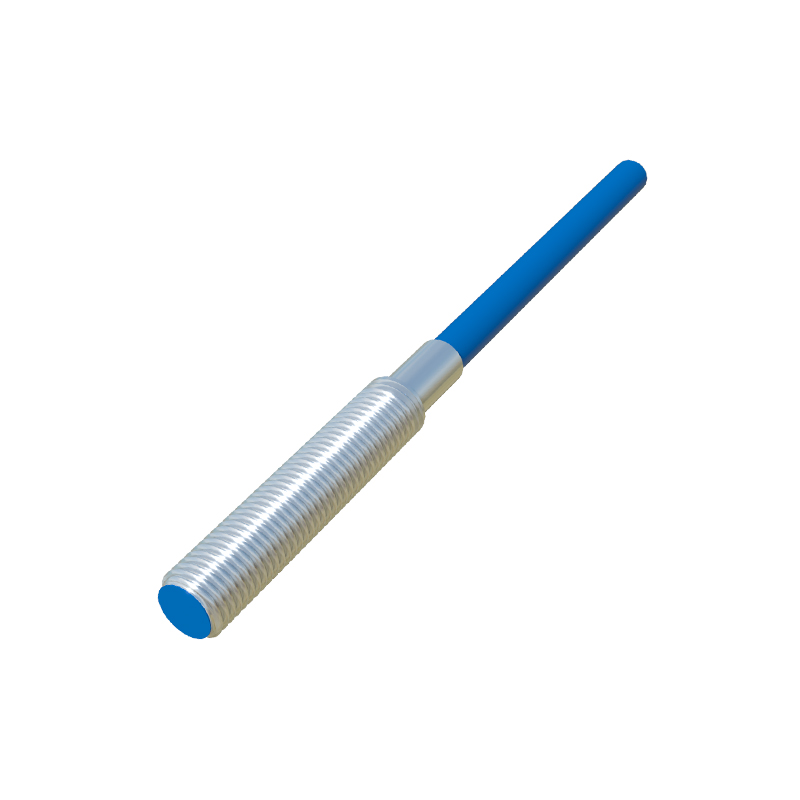
Omron Corporation (Japan) is another powerhouse, renowned for innovation and reliability. Their E3Z and E3S-C series diffuse sensors are industry benchmarks, featuring compact designs, long sensing distances, and easy-to-use adjustability. Omron excels in providing sensors with stable detection regardless of color variation, a critical feature in electronics and consumer goods manufacturing.
Balluff GmbH (Germany) specializes in sophisticated sensor solutions, particularly for factory automation. Their BOS series of diffuse sensors is notable for high-performance background suppression and robust metal housings. Balluff strongly integrates IO-Link connectivity across its range, enabling smart sensor functionalities like condition monitoring and remote configuration, which are central to Industry 4.0 initiatives.
Pepperl+Fuchs (Germany) is a stalwart in intrinsic safety and sensor technology. Their diffuse sensor range, including the ML series, is engineered for extreme conditions, offering high resistance to welding spatter, washdown chemicals, and temperature fluctuations. They are a preferred supplier in heavy industries, chemical plants, and food & beverage sectors.
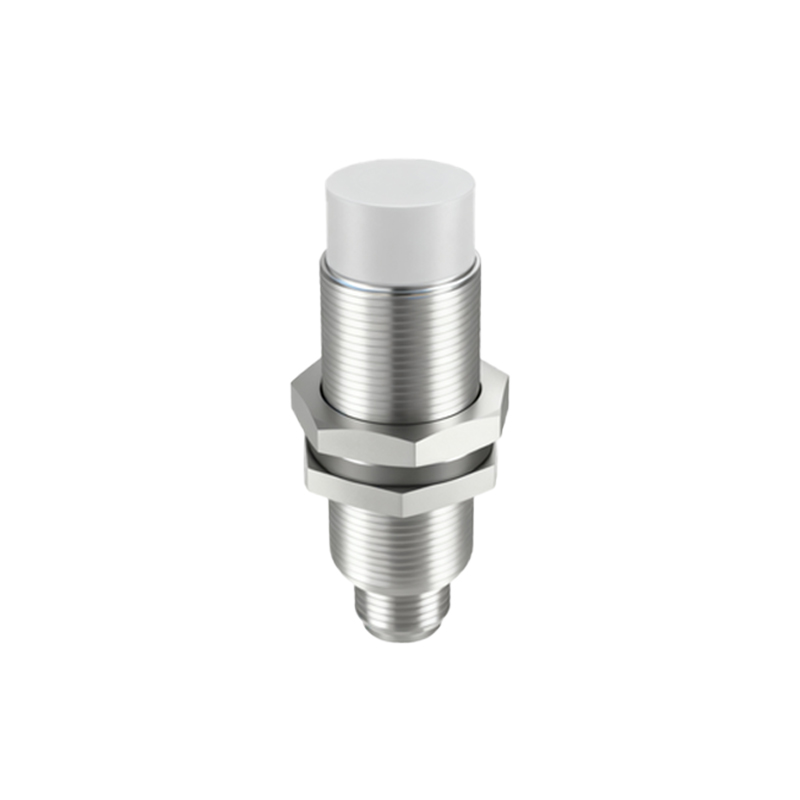
Keyence Corporation (Japan) pushes the envelope with high-performance, feature-rich sensors. Their PX series, for example, combines diffuse sensing with advanced amplifier units capable of ultra-high-speed response and intricate teach-in functions for complex detection tasks. Keyence is often the choice for high-precision applications in semiconductor and precision engineering.
Banner Engineering Corp. (USA) is celebrated for its rugged, high-value sensors and strong application support. Their Q5X series laser diffuse sensors offer exceptional accuracy for small part detection and precise positioning. Banner provides excellent solutions for material handling, packaging, and automotive applications in the North American market.
Turck GmbH (Germany) offers a comprehensive range of industrial sensors, including highly robust diffuse models in their FGS series with M12 or M18 threaded housings. Turck sensors are known for their connectivity solutions and suitability for decentralized automation architectures.
Emerging trends are continuously reshaping the supplier offerings. The integration of IO-Link is becoming standard, transforming simple sensors into intelligent data points that communicate status, health, and process values. There is also a growing demand for miniaturized sensors for installation in tight robotic grippers or small machinery. Furthermore, suppliers are enhancing performance for difficult-to-detect objects, such as transparent glass, shiny metals, or black rubber, using specialized light sources and evaluation algorithms.
Choosing the right supplier depends on a careful analysis of the application's technical requirements, environmental challenges, and integration needs within the broader automation system. While the major players listed offer broad reliability, engaging with their technical support for application-specific validation is always recommended. The future of diffuse reflective proximity sensing lies in smarter, more