In the rapidly evolving landscape of industrial automation and smart systems, the role of precision sensing technology has become paramount. Among the various sensors available, the Magc2 proximity light sensor stands out as a critical component for engineers designing systems requiring non-contact detection, object positioning, and automated control. This article delves into the technical specifications, operational principles, and practical applications of the Magc2 sensor, providing a detailed overview for electrical engineering professionals.
The Magc2 is an advanced photoelectric proximity sensor that utilizes modulated infrared light to detect the presence or absence of an object within its specified sensing range. Unlike mechanical switches or inductive sensors, it does not require physical contact with the target, making it ideal for applications involving fragile materials, high-speed operations, or harsh environments where contamination is a concern. The core of its operation lies in the emission of a focused beam of infrared light from an integrated LED. When an object enters the detection zone, it reflects this light back to the sensor's receiver. The internal circuitry then processes this signal, triggering a solid-state output—typically a transistor that switches state (e.g., from OFF to ON).
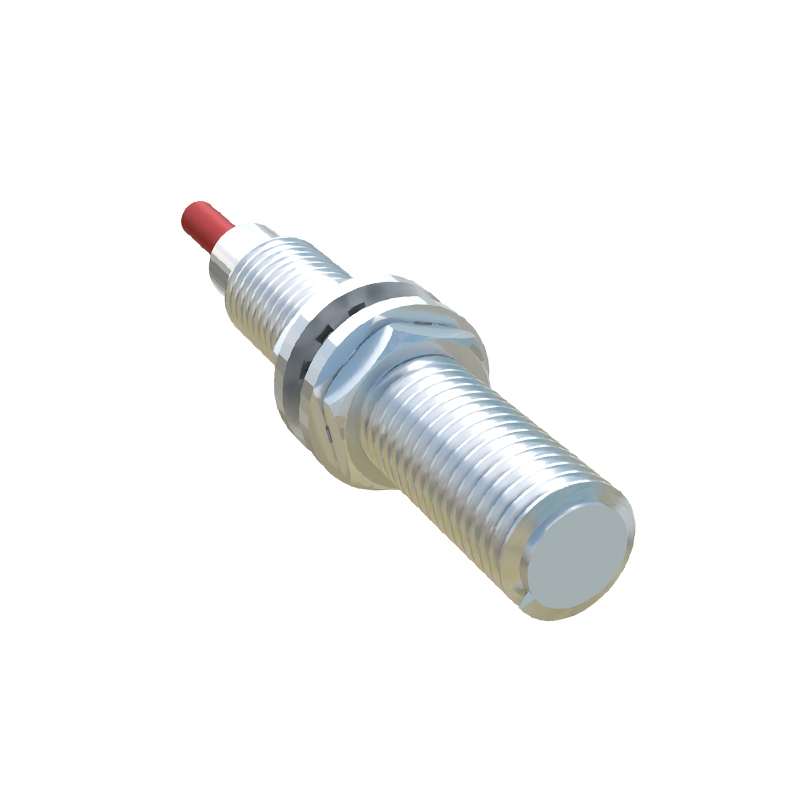
Key technical parameters define the Magc2's performance and suitability for specific tasks. The sensing distance, often adjustable, is a primary consideration. Engineers must account for factors such as target material, color, and surface finish, as these affect reflectivity. For instance, a matte black surface absorbs more light than a glossy white one, potentially reducing the effective range. The Magc2 typically offers a sensing range from a few millimeters up to several meters, depending on the model. Response time is another crucial specification, indicating how quickly the sensor can detect a change and alter its output. High-speed Magc2 variants boast response times in the microsecond range, enabling their use in fast-paced assembly lines. Furthermore, environmental ratings like IP67 (Ingress Protection) are essential for durability, signifying the sensor's resistance to dust and temporary immersion in water, which is common in industrial settings.
Electrical interfacing is straightforward. The Magc2 sensor usually operates on a standard DC voltage, such as 12-24V DC. The output can be configured as NPN (sinking) or PNP (sourcing), allowing seamless integration with Programmable Logic Controllers (PLCs), microcontrollers, or other control systems. Many models feature built-in diagnostics, such as a status LED, which provides visual confirmation of power and output state, significantly aiding in installation and troubleshooting.
The applications for the Magc2 proximity light sensor are vast and span multiple industries. In manufacturing and packaging, these sensors are indispensable for counting products on a conveyor belt, detecting jams, or verifying the correct position of components. In the automotive sector, they are used for robotic arm end-effector positioning and part presence verification. Within automated warehousing and logistics, Magc2 sensors facilitate pallet detection, door control, and inventory management. Their reliability and non-contact nature also make them suitable for sensitive environments like pharmaceutical production or food and beverage processing, where hygiene and minimal part wear are critical.

When selecting and installing a Magc2 sensor, engineers must follow best practices. Proper alignment between the sensor and the target is fundamental to ensure consistent operation. Ambient light interference, particularly from strong sources like sunlight or welding arcs, can be mitigated by choosing sensors with modulated light technology, which allows them to distinguish their own signal from background noise. Regular maintenance, though minimal, involves keeping the lens clean from dust, oil, or debris that could attenuate the light beam.
In conclusion, the Magc2 proximity light sensor represents a robust and versatile solution for modern electrical and automation challenges. Its principle of operation, based on reliable photoelectric technology, combined with rugged construction and flexible output options, makes it a cornerstone in the toolkit of the contemporary electrical engineer. By understanding its specifications and adhering to proper application guidelines, professionals can leverage the Magc2 to enhance system efficiency, reliability, and intelligence across a diverse array of industrial and commercial projects.