In industrial automation and machinery, proximity sensors are critical components for non-contact detection of objects. Their reliability directly impacts system uptime and safety. However, these sensors often operate in harsh environments—exposed to physical impacts, abrasive dust, chemical splashes, extreme temperatures, and electromagnetic interference. To ensure longevity and consistent performance, employing a suitable protective cover is not an option but a necessity. This article delves into the common types of proximity sensor protective covers, their materials, and key selection criteria.
One primary category is the Physical Impact and Abrasion Protection Cover. Typically made from durable polymers like polyurethane (PU), nylon, or engineered plastics, these covers shield the sensor face from direct collisions, flying debris, or continuous abrasion from materials on conveyor lines. For instance, in machining centers where metal chips are prevalent, a thick PU boot can prevent sensor damage. Another variant is the metal mesh or grille cover, often stainless steel, used in heavy-duty applications like forestry or mining equipment, protecting against large, impacting objects while allowing the sensing field to pass through.
For environments with exposure to coolants, oils, solvents, or cleaning agents, Chemical-Resistant Covers are essential. These are fabricated from materials specifically formulated to resist degradation. Fluoropolymers like PTFE (Teflon) or PVDF offer excellent chemical inertness and are used in chemical processing or food & beverage plants where frequent washdowns with aggressive cleaners occur. Viton or EPDM rubber seals and boots are also common for their oil and fuel resistance in automotive manufacturing.
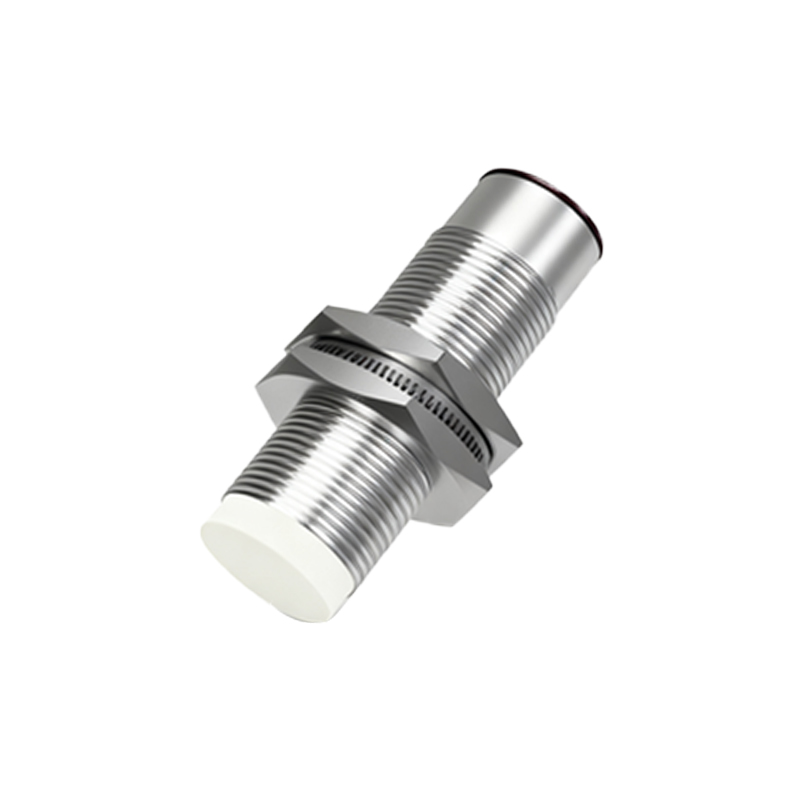
In washdown or outdoor applications, Environmental Sealing Enclosures and Boots provide protection against water and dust ingress. These follow IP (Ingress Protection) ratings, such as IP67 or IP69K. A common solution is a silicone or thermoplastic rubber (TPR) boot that creates a tight seal around the sensor housing, safeguarding it from high-pressure jets, steam, and particulate matter. For extreme conditions, a fully sealed stainless steel enclosure with a sensing window made of a compatible plastic (like polycarbonate) may be employed.
Temperature Management Covers address thermal challenges. In foundries or near furnaces, sensors require protection from extreme radiant heat. Covers made from high-temperature silicones, ceramic-coated metals, or with integrated heat shields (often aluminum) deflect or dissipate heat. Conversely, in cryogenic applications, covers made from specialized low-temperature elastomers prevent brittleness and cracking.
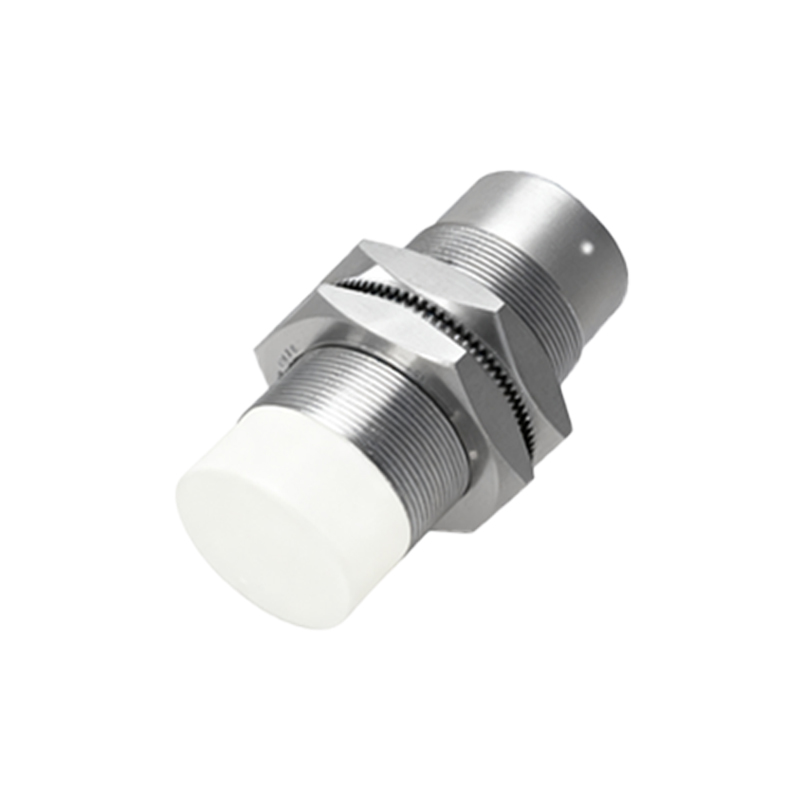
A specialized type is the Non-Metallic or Non-Ferrous Cover used with inductive proximity sensors. Since inductive sensors detect metals, a metallic cover would interfere with or "shield" the sensing field. Therefore, covers for these sensors are exclusively made from plastics, ceramics, or composite materials that do not attenuate the electromagnetic field. For capacitive or photoelectric sensors, material choice for the cover's window is less restrictive but must consider factors like dielectric constant or optical clarity.
EMI/RFI Shielding Covers are designed for electrically noisy environments, such as near variable frequency drives (VFDs) or welding stations. These covers incorporate conductive meshes or coatings (e.g., nickel-coated fabrics or conductive plastics) that form a Faraday cage, grounding electromagnetic interference and preventing false sensor triggering.
Selecting the right protective cover involves a systematic assessment:
1. Sensor Type & Technology: Inductive, capacitive, ultrasonic, or photoelectric? This dictates permissible cover materials.
2. Environmental Hazards: Precisely identify all threats: impact force, abrasive media, chemical types/concentrations, temperature ranges, water pressure, and EMI sources.
3. Required Sensing Performance: The cover must not significantly reduce the sensor's nominal sensing distance. Manufacturers often derate the sensing distance when a cover is used; this factor must be accounted for in the design.
4. Mechanical & Thermal Compatibility: The cover must fit the sensor's form factor and mounting style. It should withstand the operational temperature without deforming, melting, or becoming brittle.
5. Maintenance & Lifecycle: Consider ease of installation, replacement frequency, and cleanability. A poorly designed cover that traps contaminants can cause more harm than good.
In conclusion, proximity sensor protective covers are highly application-specific components. From simple PU bumpers to complex multi-material assemblies with shielding, the correct cover extends sensor life, reduces maintenance costs, and prevents costly production stoppages. Consulting with sensor manufacturers and protective accessory suppliers during the design phase is highly recommended to match the cover precisely to the operational challenges. Investing in proper protection is a small price for ensuring the robust and reliable operation of your automated systems.