Proximity sensors are indispensable components in modern industrial automation, offering non-contact detection of metallic and non-metallic objects. Their pricing and visual characteristics vary significantly based on technology, specifications, and application requirements. This guide provides a detailed overview of proximity sensor costs and representative images to aid in selection and procurement.
Pricing is influenced primarily by sensor type. Inductive proximity sensors, designed for metal detection, are generally the most cost-effective. Basic shielded tubular models (e.g., M12 or M18 threaded barrels) typically range from $20 to $60 USD per unit in standard quantities. Unshielded variants may be slightly cheaper but offer reduced sensing ranges. Capacitive sensors, capable of detecting materials like plastics, liquids, and wood, usually carry a 15-30% premium over comparable inductive models, with prices often between $30 and $80. Ultrasonic sensors, offering longer ranges and material-independent detection, represent a higher price bracket, frequently costing between $80 and $200 or more, depending on range and output configuration. Photoelectric sensors, while sometimes categorized separately, share proximity functionality; diffuse-reflective types start around $40, while precise through-beam or retro-reflective models can exceed $150.
Beyond core technology, several factors critically impact price. Sensing distance is a key determinant; a standard 5mm range inductive sensor is inexpensive, whereas a 30mm range model can double or triple in cost. Housing material also matters: nickel-plated brass or stainless-steel housings for harsh environments (washdown, chemical exposure) increase price compared to standard PBT or ABS plastic. Output type (NPN/PNP transistor, analog, IO-Link) and connection style (pre-wired cable vs. quick-disconnect) add further cost layers. Brand reputation plays a substantial role; established global manufacturers (e.g., Siemens, Omron, Pepperl+Fuchs, Balluff) command a premium of 20-50% over generic or regional brands, justified by extended warranties, certification compliance (IP67, IP69K), and robust technical support. Quantity discounts are standard, with OEM pricing for large volumes potentially reducing unit cost by 30% or more.
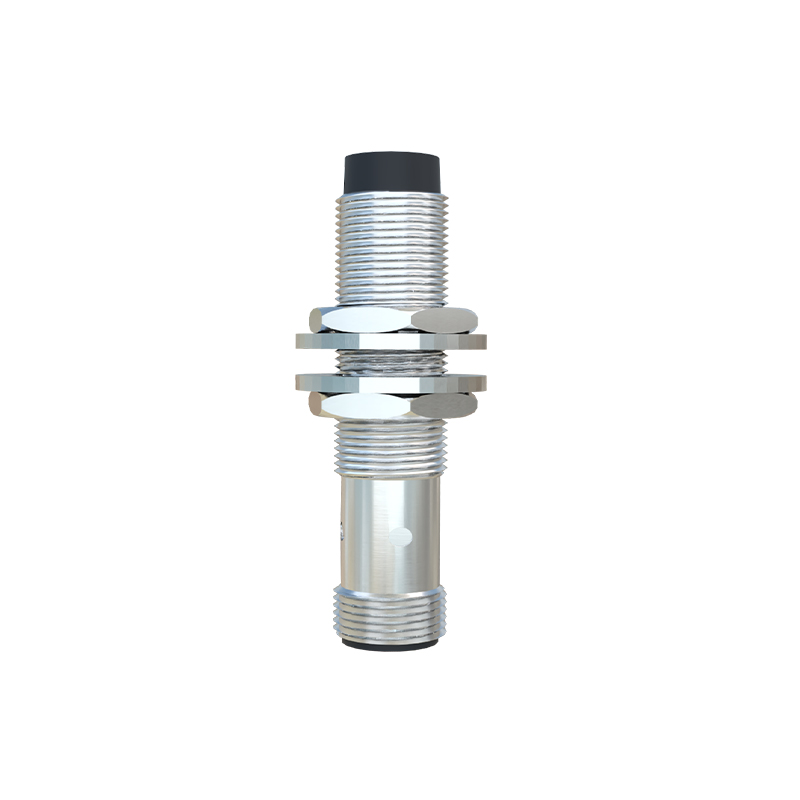
Representative images are crucial for identifying physical form factors and installation details. Common inductive sensor images typically show cylindrical threaded barrels in sizes from M5 to M30. These images often highlight the sensing face, LED status indicator, and cable or connector outlet. Rectangular or block-style housings are prevalent in capacitive and some ultrasonic sensors, depicted with clearly labeled sensing areas. Visual examples of mounting accessories, such as brackets or nuts, are frequently included in datasheets. For complex sensors, cutaway or diagrammatic images illustrate internal components like oscillators, amplifiers, and output circuits. When reviewing product images, engineers should note the housing's ingress protection rating, often implied by its robust sealing design, and look for laser-etched markings indicating model number, voltage, and output details.
The total cost of ownership extends beyond the unit price. Integration costs, including mounting hardware, wiring, and controller programming, must be considered. Sensors with advanced diagnostics (e.g., via IO-Link) may have higher upfront costs but reduce downtime through predictive maintenance. For accurate budgeting, request formal quotes from distributors, specifying required quantities, delivery timelines, and desired certifications. Online marketplaces and industrial suppliers often provide high-resolution images and 3D models for integration into CAD designs.
In summary, proximity sensor pricing is a function of technology, performance, durability, and brand. A clear understanding of application needs—required sensing distance, target material, environmental conditions, and communication protocol—allows for optimal cost-performance selection. High-quality product images serve as essential references for mechanical integration and electrical connection planning, ensuring a smooth deployment in any automated system.