In the rapidly evolving landscape of industrial automation and smart building management, a new class of components is capturing significant attention: infrared proximity panel sensors. Often dubbed "influencer panels" within tech circles due to their sleek, integrated designs and viral potential in showcasing smart applications, these devices represent a sophisticated fusion of aesthetics and functionality. Unlike traditional bulky sensors, these modern panels integrate seamlessly into walls, machinery interfaces, and furniture, providing unobtrusive yet highly reliable presence detection.
The core technology hinges on modulated infrared (IR) light. The sensor panel emits an invisible beam of IR light. When an object or person enters its defined field of detection, the light reflects back to the sensor's receiver. An onboard microcontroller then analyzes the reflected signal's characteristics—such as intensity and phase shift—to accurately determine the presence and, in more advanced models, approximate distance. This non-contact method offers distinct advantages over mechanical switches or capacitive sensors, particularly in environments requiring hygiene, durability, or where physical contact is undesirable.
A key driver behind their "网红" or viral trend status is their application in human-centric automation. In commercial and residential smart lighting systems, these panels enable true hands-free control. Lights in corridors, bathrooms, or warehouses activate only upon detecting movement, leading to substantial energy savings. Their integration into interactive kiosks, smart mirrors, and automatic doors enhances user experience by creating a responsive, almost anticipatory environment. The panel form factor is crucial here; it allows designers to embed sensing capabilities without compromising the clean, minimalist lines demanded by contemporary architecture.
From an engineering perspective, selecting the right infrared proximity panel involves careful consideration of several parameters. Sensing range, typically from a few centimeters to several meters, must match the application. Field of view (FOV) is equally critical; a wide FOV is ideal for area monitoring, while a narrow FOV suits precise object detection. Engineers must also account for environmental interference. Sunlight and other strong IR sources can saturate sensors, making the choice of modulated IR signals with specific frequencies and digital filtering algorithms paramount for stable operation in variable conditions. Modern panels often incorporate ambient light rejection and multi-pulse signaling to ensure false triggers are minimized.
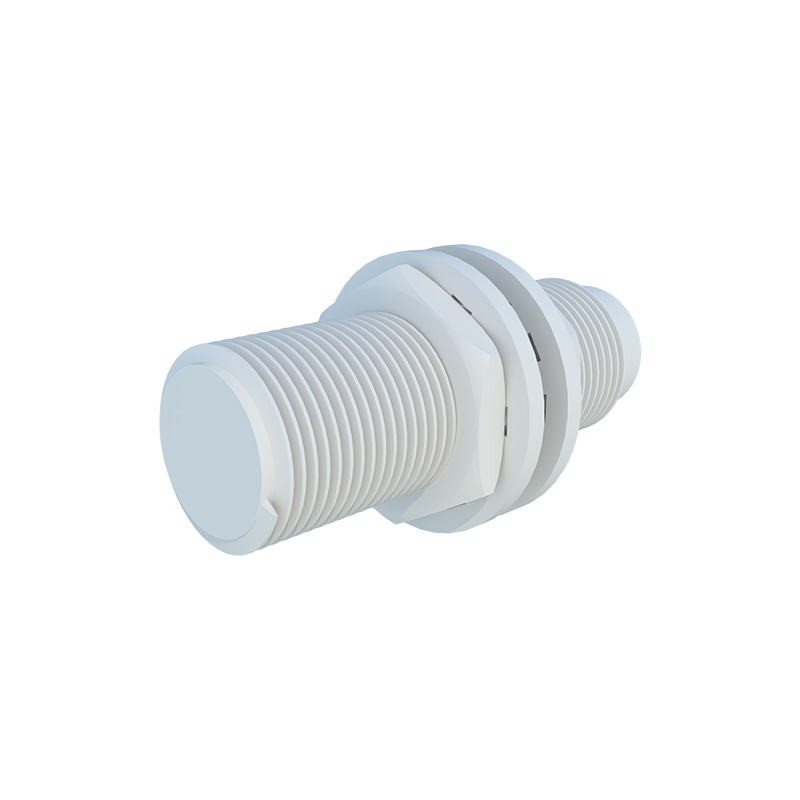
The industrial adoption curve is steep. On production lines, these sensors provide non-contact detection for counting, positioning, and jam prevention. Their panel design allows for easy flush mounting on control cabinets or machinery housings, protecting them from dust, moisture, and physical impact—often achieving IP67 ratings. The reliability of IR technology in diverse conditions, from freezing cold to high temperatures, makes it a robust choice for Industry 4.0 applications where uptime is critical.
Looking forward, the convergence of IR proximity sensing with the Internet of Things (IoT) and artificial intelligence (AI) is the next frontier. Smart panels are now equipped with digital outputs (I2C, UART) or IoT connectivity modules (like Bluetooth Low Energy or Wi-Fi), transmitting not just a simple on/off signal but rich data on occupancy patterns. This data fuels analytics for space utilization in offices, traffic flow in retail, or predictive maintenance in factories. The vision is a network of intelligent, sensing panels acting as the peripheral nervous system for smart buildings and factories, collecting contextual data that drives automated, efficient, and responsive operations.
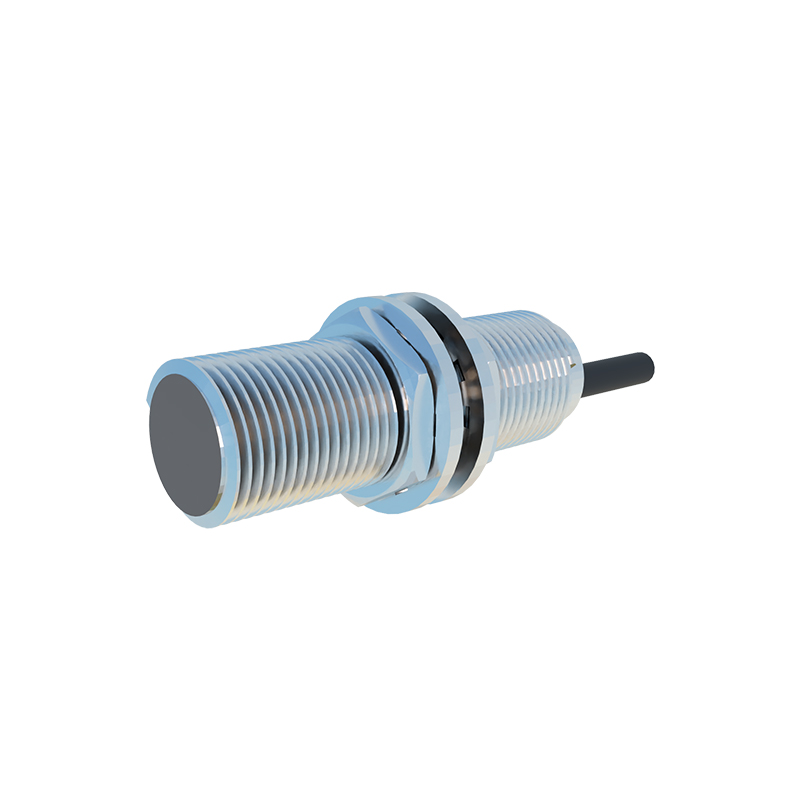
In conclusion, the rise of the infrared proximity panel sensor is more than a passing trend. It is a response to the growing demand for intuitive, efficient, and invisible interaction between humans and machines. By offering a reliable, durable, and design-friendly solution for presence detection, these components are quietly powering the next wave of automation, proving that sometimes, the most impactful technologies are those you don't even notice—until they seamlessly make your environment work better for you.