In the realm of industrial automation and material handling, conveyor belt systems are the backbone of efficient operations. Ensuring their safe, reliable, and continuous function is paramount. This is where proximity switch sensors play a critical, yet often understated, role. These non-contact sensing devices are engineered to detect the presence or absence of an object, monitor belt position, control sequencing, and provide essential safety interlocks without any physical contact with the target.
Proximity sensors used in conveyor applications are predominantly inductive or capacitive types. Inductive proximity switches are the workhorses for detecting metallic objects. They generate an electromagnetic field and react to the eddy current losses caused when a metal target enters this field. This makes them ideal for tasks such as counting metal parts on a belt, detecting the position of a metallic splice, or confirming the presence of a metal chute or guide. Their robustness against dust, oil, and non-metallic debris is a significant advantage in harsh industrial environments.
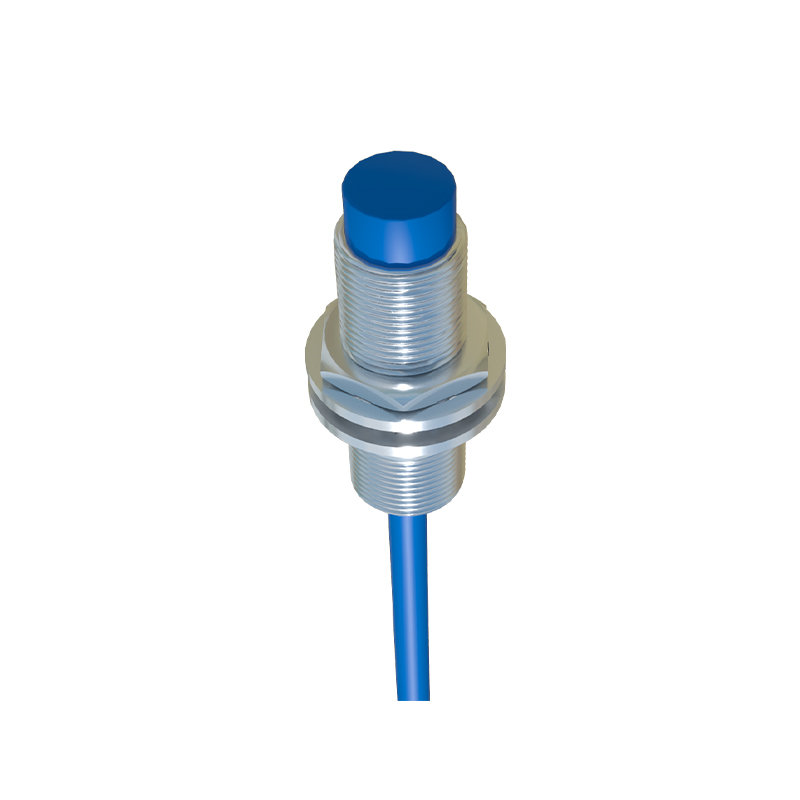
Capacitive proximity sensors, on the other hand, can detect both metallic and non-metallic materials—including plastics, wood, glass, and liquids. They operate by sensing changes in capacitance caused by the presence of any material that alters the dielectric constant of the space between the sensor and a reference ground. In conveyor systems, they are invaluable for monitoring bulk material levels, detecting the presence of packaged goods, or ensuring a cardboard box has passed a specific point.
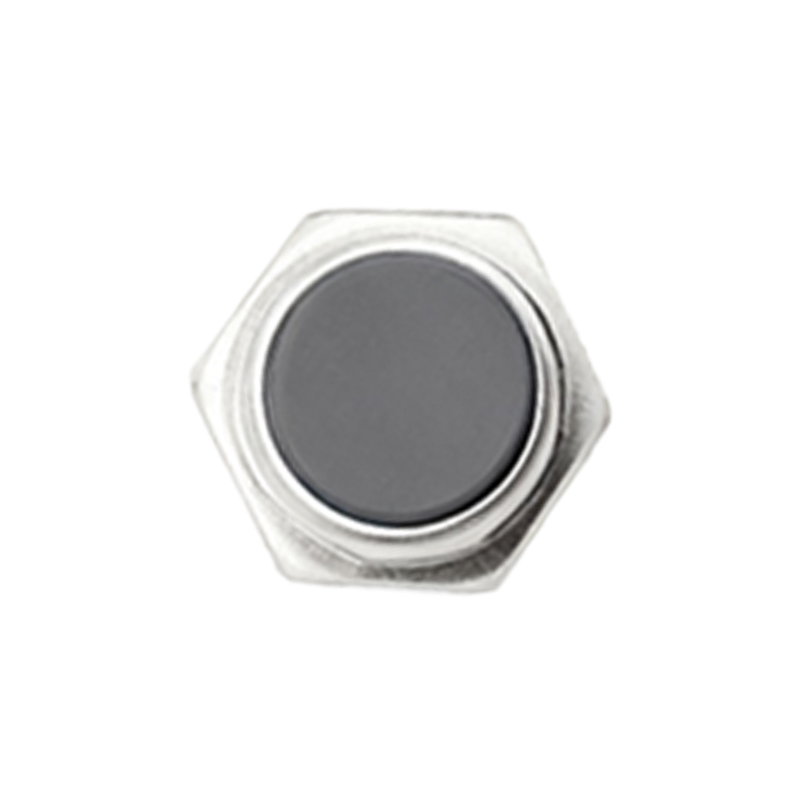
The selection and installation of these sensors require careful engineering consideration. Key parameters include the sensing range, which must be chosen with a safety margin to account for belt sway, vibration, and thermal expansion. The housing material is another critical factor; sensors in corrosive or washdown environments (common in food and pharmaceutical industries) often require stainless steel or specialized polymer housings with high IP (Ingress Protection) ratings like IP67 or IP69K.
Output configuration is equally important. Most conveyor proximity switches provide discrete digital outputs, either PNP (sourcing) or NPN (sinking), compatible with Programmable Logic Controllers (PLCs). Some advanced models offer analog outputs or IO-Link communication, enabling not just object detection but also the transmission of diagnostic data like operating temperature, signal strength, and device health—paving the way for predictive maintenance strategies.
Integration into the control system is a fundamental step. Proximity switches are typically wired to a PLC's input module. Their signals can trigger a multitude of actions: stopping the belt if a jam is detected (by sensing an object that hasn't moved within a set time), activating a diverter arm to sort packages, initiating a filling process when a container is in position, or providing a zero-speed check to prevent belt damage from slippage. Safety-rated proximity switches, often with dual-channel outputs, are integrated into safety relay circuits to implement emergency stop functions or guard door monitoring, ensuring compliance with machinery safety standards like ISO 13849.
Despite their reliability, proximity sensors are not immune to challenges. Factors such as extreme temperature fluctuations, heavy electromagnetic interference from nearby motors or variable frequency drives (VFDs), and the accumulation of conductive or ferrous dust on the sensor face can lead to false triggering or failure. Mitigation strategies involve proper shielding, selecting sensors with built-in immunity, regular cleaning schedules, and installing sensors in locations that minimize exposure to direct physical impact or contaminant buildup.
In conclusion, proximity switch sensors are indispensable components for modern conveyor belt systems. Their ability to provide precise, non-contact detection enhances operational efficiency, ensures product quality, and safeguards both equipment and personnel. A thorough understanding of their operating principles, correct selection based on the application's specific material and environmental conditions, and proper integration into the control and safety architecture are essential for maximizing system uptime and achieving a robust, automated material handling process. As Industry 4.0 advances, the role of these smart sensors will only grow, feeding vital data into larger digital ecosystems for optimized, intelligent factory operations.