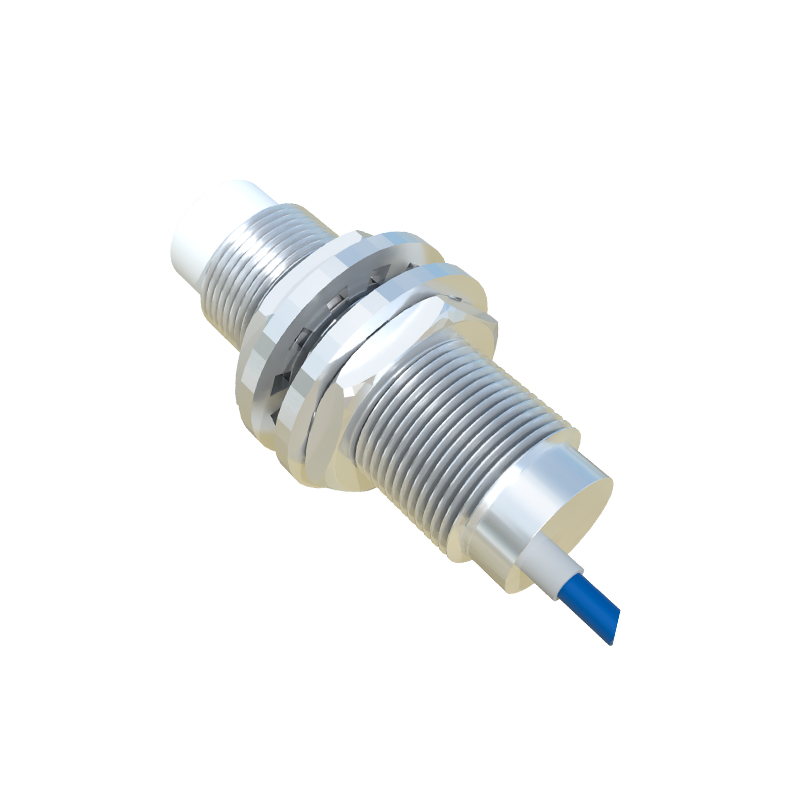
In the realm of industrial automation and control systems, proximity sensors stand as fundamental components, enabling non-contact detection of objects with precision and reliability. These devices are engineered to sense the presence or absence of a target within a specified range without any physical contact, thereby eliminating mechanical wear and tear, reducing maintenance needs, and enhancing operational efficiency. The core principle behind proximity sensors involves generating an electromagnetic field or beam and detecting changes caused by a target object. This technology has evolved significantly, offering various types tailored to diverse industrial environments and requirements.
The most prevalent types of proximity sensors include inductive, capacitive, ultrasonic, and photoelectric sensors. Inductive proximity sensors are widely utilized for detecting metallic objects. They operate by generating an oscillating electromagnetic field from a coil. When a metal target enters this field, it induces eddy currents, causing a change in the oscillation amplitude, which the sensor detects. These sensors are ideal for harsh environments involving dust, oil, or moisture, commonly found in manufacturing lines for part detection, positioning, and counting. Capacitive proximity sensors, on the other hand, can detect both metallic and non-metallic materials such as plastics, liquids, and granular substances. They function by measuring changes in capacitance between the sensor and the target. This makes them suitable for level detection in tanks, material handling, and packaging applications where varied materials are present.
Ultrasonic proximity sensors employ sound waves beyond human hearing to detect objects. They emit ultrasonic pulses and measure the time taken for the echo to return after hitting a target. This time-of-flight principle allows for accurate distance measurement and detection of objects regardless of color, transparency, or material composition. These sensors are often deployed in challenging conditions like foggy or dusty atmospheres, used in applications such as liquid level control, object profiling, and collision avoidance in automated guided vehicles (AGVs). Photoelectric sensors use light beams, typically infrared or laser, to detect objects. They consist of an emitter and a receiver; when an object interrupts the light beam, the sensor triggers a response. Available in through-beam, retro-reflective, and diffuse reflection models, photoelectric sensors offer long-range detection and high-speed response, making them perfect for conveyor systems, sorting machines, and safety barriers.
Selecting the appropriate proximity sensor for a specific application requires careful consideration of several factors. Key parameters include sensing range, which defines the maximum distance at which the sensor can reliably detect a target. Environmental conditions such as temperature extremes, humidity, and exposure to chemicals or vibrations must be evaluated to ensure sensor durability. Output types, such as NPN, PNP, or analog signals, should match the control system's requirements. Additionally, factors like response time, repeat accuracy, and housing material (e.g., stainless steel for corrosive environments) play crucial roles in performance. For instance, in food processing industries, sensors with hygienic designs resistant to washdowns are essential, while in automotive assembly, high-speed inductive sensors are preferred for detecting metal components on fast-moving lines.
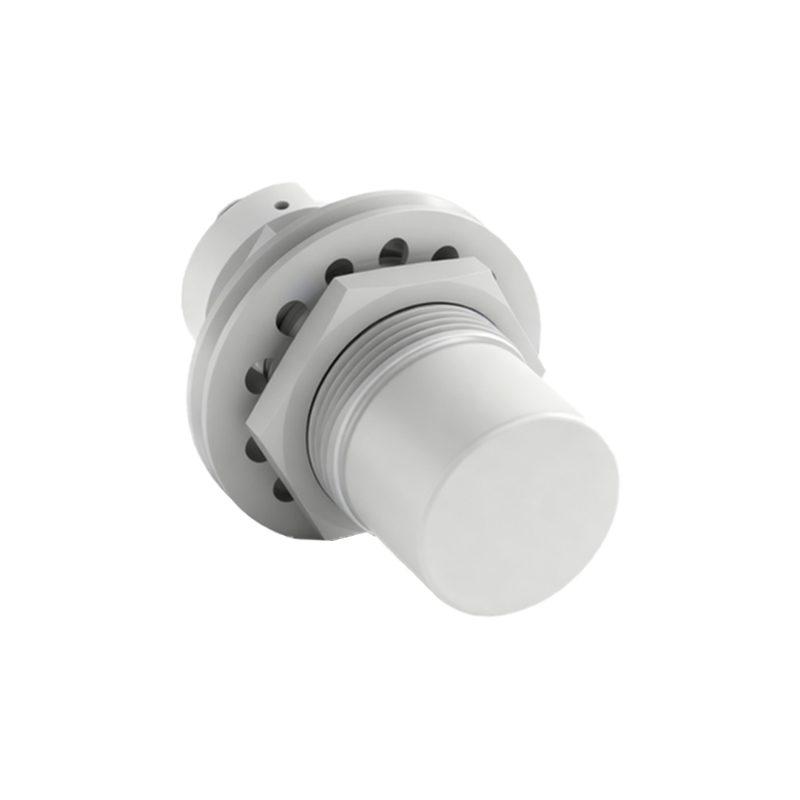
Applications of proximity sensors span across numerous sectors, driving automation and safety. In manufacturing, they enable precise machine control, part verification, and robotic guidance. In automotive plants, sensors monitor assembly processes, ensuring components are correctly positioned. The packaging industry relies on them for product counting, fill level detection, and label verification. Beyond industrial settings, proximity sensors are integral to consumer electronics, such as smartphones with touchless gesture control, and automotive systems for parking assistance. Their ability to operate without contact minimizes contamination risks, which is critical in pharmaceutical and cleanroom environments.
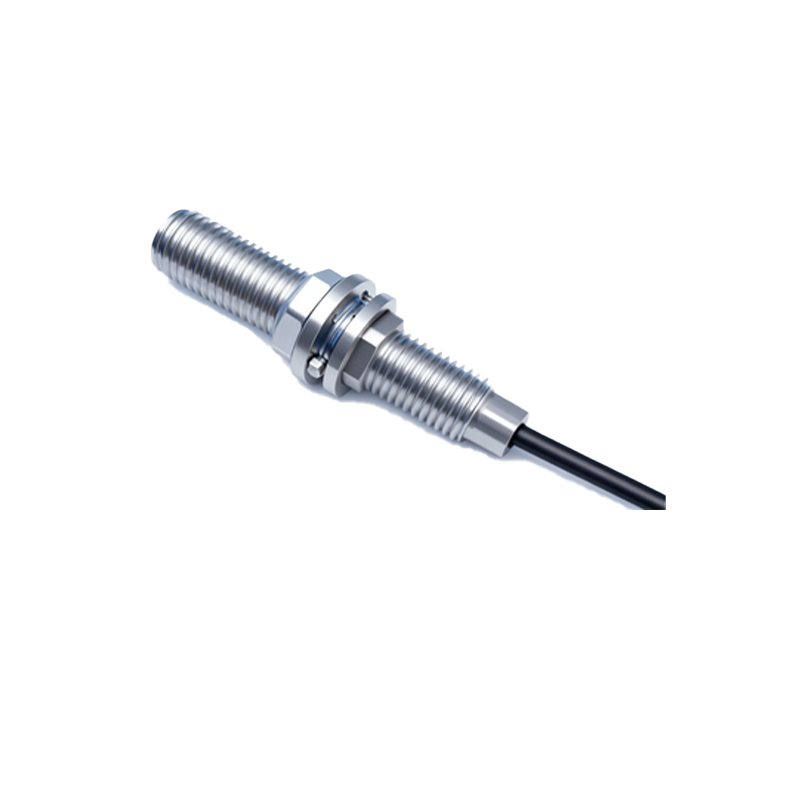
Advancements in sensor technology continue to expand their capabilities. Smart sensors with integrated IO-Link communication provide real-time data on operating status, diagnostics, and parameter adjustments, facilitating predictive maintenance and reducing downtime. Miniaturization has led to compact designs suitable for space-constrained applications, while enhanced immunity to electromagnetic interference (EMI) improves reliability in electrically noisy environments. As Industry 4.0 and the Internet of Things (IoT) gain momentum, proximity sensors are becoming interconnected nodes in smart factories, contributing to data-driven decision-making and optimized production flows.
In conclusion, proximity sensors are indispensable tools in modern automation, offering versatile, non-contact detection solutions that enhance productivity, safety, and system longevity. By understanding their types, operating principles, and selection criteria, engineers and technicians can effectively integrate these sensors into diverse applications, ensuring robust and efficient operations. As technology progresses, the role of proximity sensors will only grow, underpinning innovations in automated systems worldwide.