Proximity angle sensors are critical components in modern electrical and automation systems, designed to detect the angular position or rotational movement of a target without physical contact. These sensors operate based on electromagnetic, capacitive, or inductive principles, converting angular displacement into electrical signals for precise control and monitoring. In industrial applications, proximity angle sensors play a vital role in ensuring accuracy, reliability, and efficiency.
One primary function of proximity angle sensors is to provide real-time feedback on rotational speed and position. In motor control systems, for instance, they enable precise regulation of rotor alignment, enhancing performance in servo motors, robotics, and CNC machinery. By detecting minute angular changes, these sensors help prevent mechanical errors, reduce wear, and improve energy efficiency. Additionally, in automotive engineering, proximity angle sensors monitor throttle position, steering angles, and transmission systems, contributing to vehicle stability and safety features like electronic stability control (ESC).
Another key application lies in automation and manufacturing. Proximity angle sensors facilitate automated assembly lines by tracking conveyor belt movements or robotic arm rotations, ensuring synchronized operations. They also support predictive maintenance by detecting anomalies in rotational equipment, such as misalignment or imbalance, before failures occur. This proactive approach minimizes downtime and extends machinery lifespan.
In renewable energy sectors, these sensors optimize wind turbine blade pitch control, adjusting angles to maximize energy capture while reducing structural stress. Similarly, in aerospace, they assist in flight control surfaces and landing gear positioning, where precision is paramount. The non-contact nature of proximity angle sensors eliminates friction-related issues, offering durability in harsh environments with dust, moisture, or extreme temperatures.
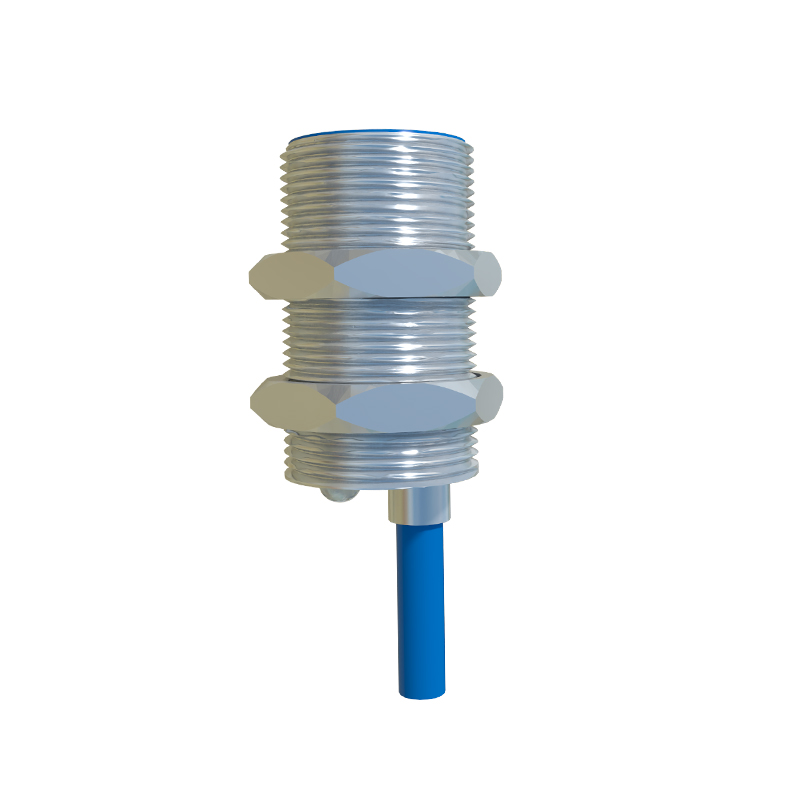
Technological advancements have led to smarter sensors with integrated digital interfaces, such as IoT connectivity, enabling remote monitoring and data analytics. This evolution supports Industry 4.0 initiatives, where real-time angular data feeds into centralized systems for adaptive control. Despite their robustness, selecting the right sensor requires considering factors like measurement range, resolution, and environmental compatibility.
Overall, proximity angle sensors are indispensable for enhancing operational precision across industries. Their ability to deliver accurate, contactless measurements underpins modern electrical systems, driving innovation in automation, safety, and energy management. As technology progresses, these sensors will continue to evolve, offering greater integration and intelligence for future applications.