In the world of industrial automation and electronics, proximity sensors have become indispensable components, enabling precise detection without physical contact. One of the most notable design trends in recent years is the increasing thinness of these sensors. This shift toward slim profiles is not merely an aesthetic choice but a result of deliberate engineering decisions driven by practical demands and technological advancements.
The primary reason for the thin design of proximity sensors lies in space constraints within modern machinery and devices. As industries move toward miniaturization and higher density in equipment layout, every millimeter of space becomes valuable. Thin sensors can be installed in tight locations where traditional bulkier sensors would not fit, such as in compact robotic arms, consumer electronics like smartphones, or intricate assembly lines. This allows for more flexible integration and optimized use of available real estate, ultimately enhancing system efficiency.
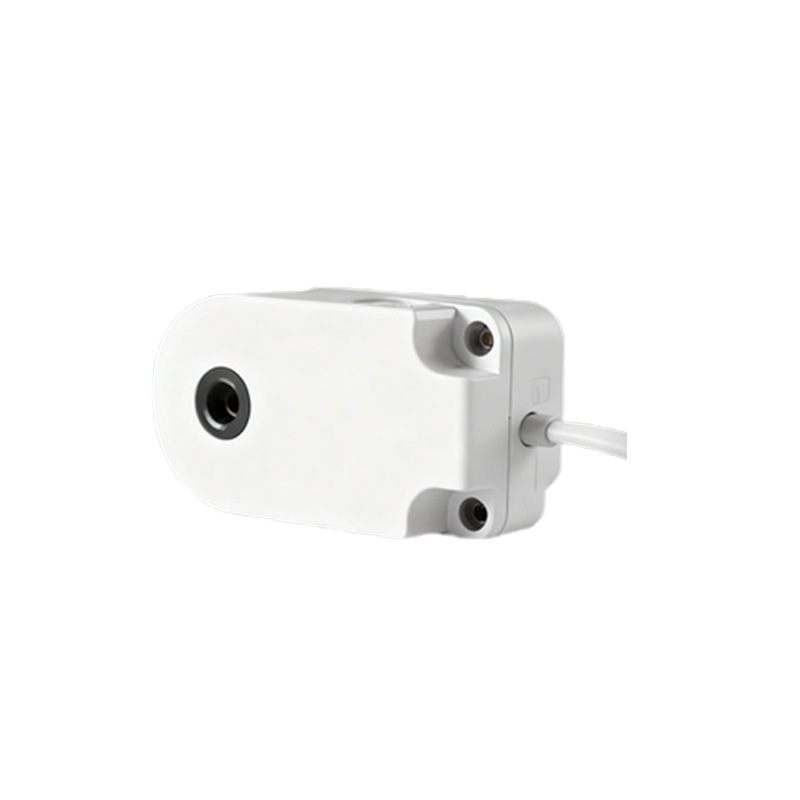
From a technical perspective, the reduction in sensor thickness is made possible by innovations in materials and component miniaturization. Advanced materials, including thin-film substrates and low-profile housing composites, provide robust protection while maintaining a slender form factor. Additionally, the evolution of semiconductor technology has enabled the development of smaller yet highly sensitive sensing elements, such as micro-electromechanical systems (MEMS) and application-specific integrated circuits (ASICs). These components can detect objects with high accuracy while occupying minimal space, contributing to the overall slimness of the sensor.
Another key factor is the improvement in energy efficiency and thermal management. Thinner sensors often incorporate low-power designs that generate less heat, reducing the need for large heat sinks or cooling systems. This allows engineers to design sensors with reduced bulk without compromising performance or reliability. Furthermore, advancements in wireless communication and embedded processing have eliminated the necessity for external bulky connectors or additional hardware, streamlining the sensor's profile.
The demand for thin proximity sensors is also driven by industry-specific applications. In automotive manufacturing, for instance, slim sensors are crucial for integration into tight spaces within vehicles, such as near braking systems or in advanced driver-assistance systems (ADAS). In the consumer electronics sector, devices like laptops and wearables require ultra-thin sensors to maintain sleek designs while enabling features like touchless gesture control. Similarly, in medical equipment, thin sensors facilitate minimally invasive devices and portable diagnostic tools, improving patient care and usability.
Despite their slim design, modern proximity sensors do not sacrifice functionality. They offer various sensing modes, including inductive, capacitive, and optical types, each tailored to different materials and environments. Engineers have achieved this by optimizing internal layouts and using surface-mount technology (SMT) to place components more densely. Enhanced signal processing algorithms also allow these sensors to maintain high detection ranges and immunity to environmental interference, even with reduced physical dimensions.
Looking ahead, the trend toward thinner proximity sensors is expected to continue as industries push for greater automation and smarter systems. Emerging technologies like flexible electronics and nanotechnology may further enable sensors that are not only thin but also conformable to irregular surfaces, opening new possibilities in robotics, IoT, and wearable technology. However, challenges remain, such as ensuring durability and maintaining performance under extreme conditions, which ongoing research aims to address.
In summary, the thinness of proximity sensors is a direct response to the evolving needs of modern engineering—where space optimization, material innovation, and application-specific demands converge. By embracing slim designs, these sensors enhance versatility and integration across diverse fields, proving that in the world of sensing, sometimes less bulk truly means more capability.