In the rapidly evolving landscape of industrial automation and robotics, proximity sensing plays a critical role in ensuring safety, precision, and efficiency. Traditional proximity sensors, such as inductive, capacitive, or ultrasonic types, have served well but come with limitations like susceptibility to electromagnetic interference, limited sensing ranges, and challenges in harsh environments. This article explores an innovative approach: utilizing optical fibers to create advanced proximity sensors, offering a blend of flexibility, durability, and high performance.
Optical fiber-based proximity sensors leverage the principles of light transmission and reflection. At their core, these sensors consist of a light source, typically a laser or LED, an optical fiber cable, and a photodetector. Light is emitted through the fiber toward a target object. When the object approaches within a specific range, it reflects or interrupts the light, altering the signal received by the photodetector. This change is then processed to determine the object's proximity. One common design involves using a bifurcated fiber, where one branch transmits light and the other collects the reflected signal, enabling precise distance measurements.
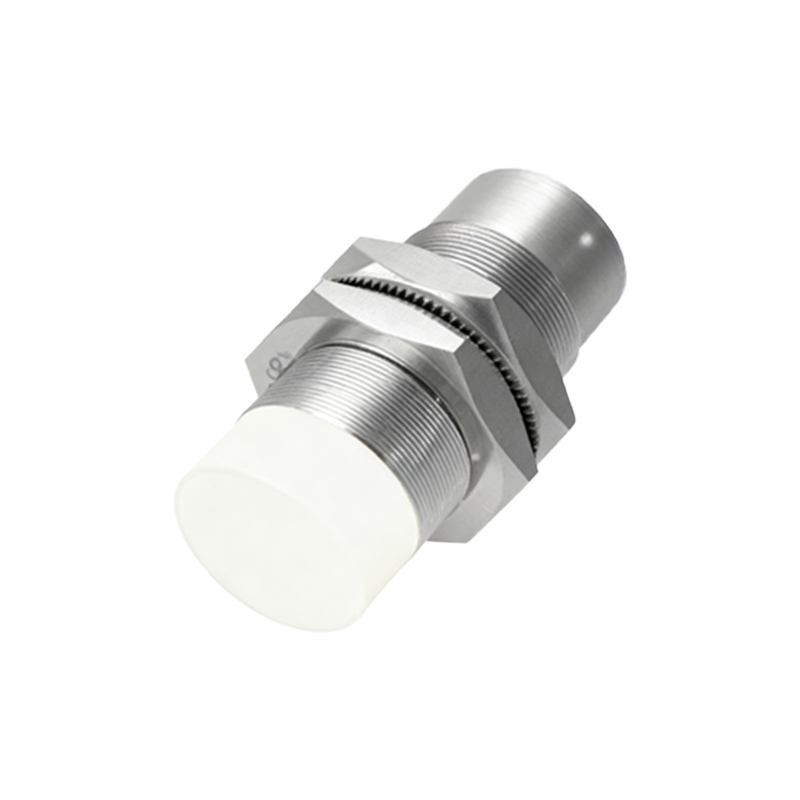
The advantages of fiber optic proximity sensors are manifold. Firstly, they are immune to electromagnetic interference, making them ideal for use in environments with high electrical noise, such as near motors or power lines. Secondly, optical fibers are inherently safe in explosive or flammable settings, as they do not generate sparks. Their small size and flexibility allow for installation in tight spaces and complex geometries, which is beneficial in robotics and medical devices. Additionally, these sensors can operate over longer distances without signal degradation, supporting remote sensing applications.
In terms of materials, silica glass fibers are commonly used for their low attenuation and high durability, while plastic optical fibers offer cost-effectiveness for shorter ranges. The sensing mechanism can be tailored based on intensity modulation, where the reflected light intensity correlates with distance, or more sophisticated methods like interferometry for higher accuracy. For instance, in manufacturing, such sensors can detect the presence of components on a conveyor belt with sub-millimeter precision, reducing errors and downtime.
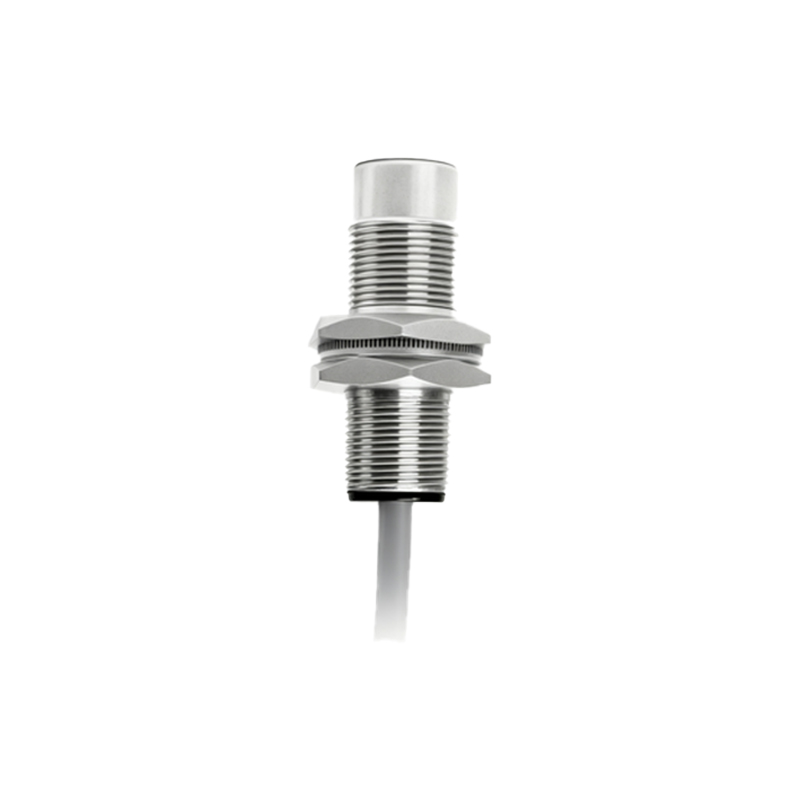
However, challenges exist, including sensitivity to environmental factors like dust or temperature fluctuations, which can affect light transmission. Calibration and signal processing algorithms are crucial to mitigate these issues. Recent advancements incorporate machine learning techniques to enhance reliability, adapting to varying conditions in real-time.
Looking ahead, the integration of fiber optic proximity sensors with IoT systems promises smarter automation, enabling predictive maintenance and data-driven decision-making. As industries push toward Industry 4.0, this technology stands out for its versatility and robustness, paving the way for safer and more efficient operations. By embracing optical fiber solutions, engineers can overcome traditional sensor limitations and drive innovation in fields from automotive to aerospace.
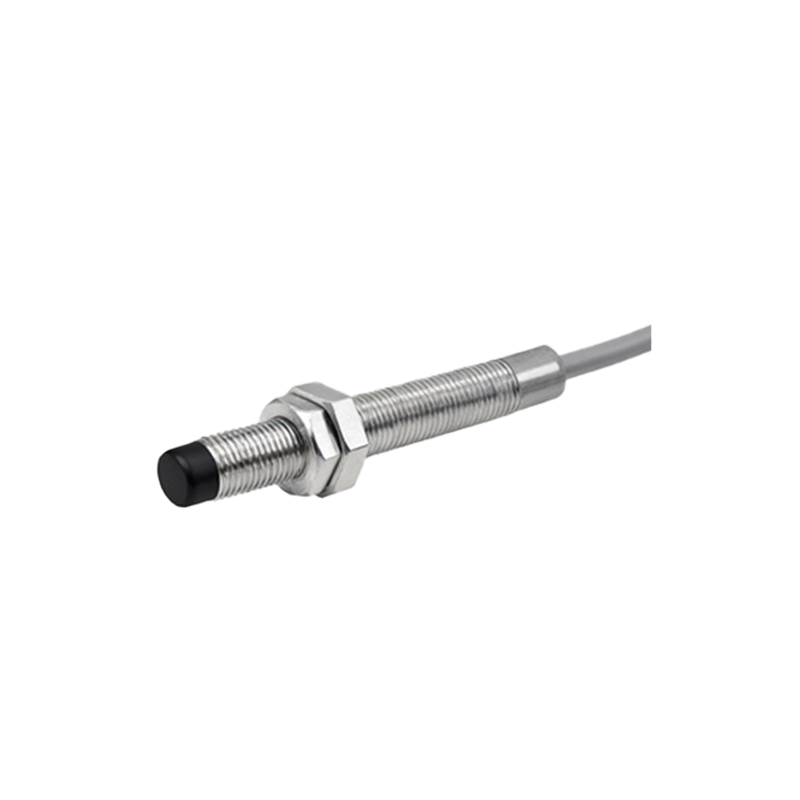
In summary, fiber optic proximity sensors represent a significant leap forward in sensing technology. Their unique properties address key industrial needs, offering a reliable alternative where conventional sensors fall short. With ongoing research and development, these sensors are poised to become a standard in advanced automation, enhancing productivity and safety across diverse applications.