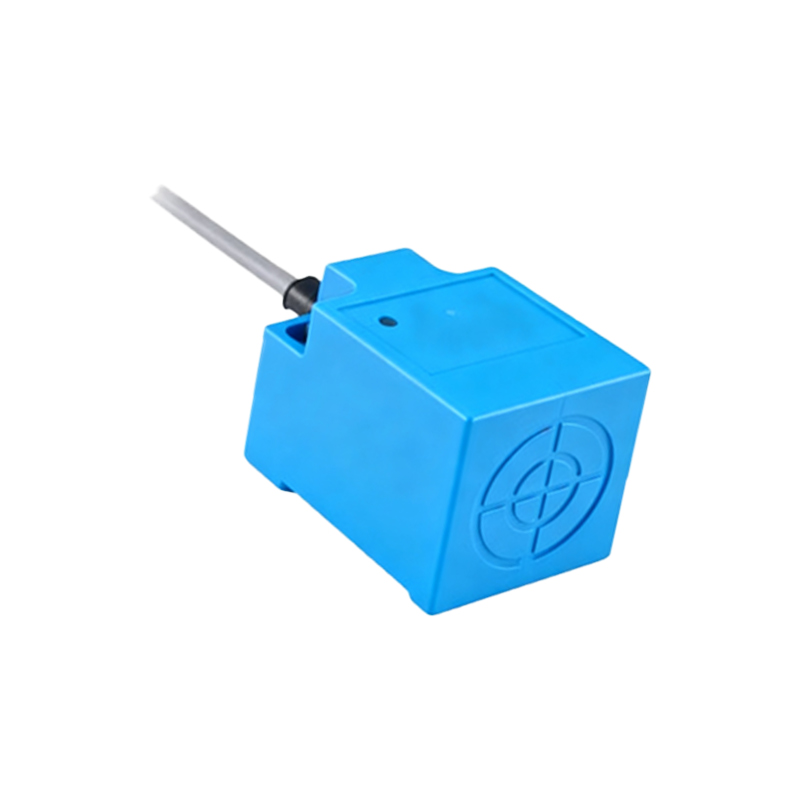
Proximity switch sensors are essential components in modern industrial automation, widely used for object detection, positioning, and control without physical contact. Among various configurations, the three-wire setup stands out for its reliability and ease of integration. This article delves into the principles, wiring methods, and practical applications of three-wire proximity sensors, tailored for electrical engineers and industry professionals.
A three-wire proximity sensor typically includes wires for power supply, ground, and output signal. The power wire (usually brown) connects to a positive DC voltage source, while the ground wire (blue) links to the negative terminal. The output wire (black) transmits the detection signal to a controller, such as a PLC or relay. This design allows for both NPN (sinking) and PNP (sourcing) output types, catering to different circuit requirements. NPN sensors switch the output to ground when activated, ideal for common-negative systems, whereas PNP sensors provide a positive voltage output, suited for common-positive setups.
The advantages of three-wire sensors are manifold. They offer stable performance in harsh environments, with high resistance to electrical noise and vibration. Their simple wiring reduces installation time and minimizes errors, crucial in large-scale industrial projects. Additionally, these sensors support a wide voltage range, often from 10 to 30 VDC, making them versatile for diverse applications. For instance, in conveyor systems, three-wire proximity sensors detect product presence to trigger sorting mechanisms, enhancing efficiency. In automotive assembly lines, they ensure precise part positioning, reducing downtime.
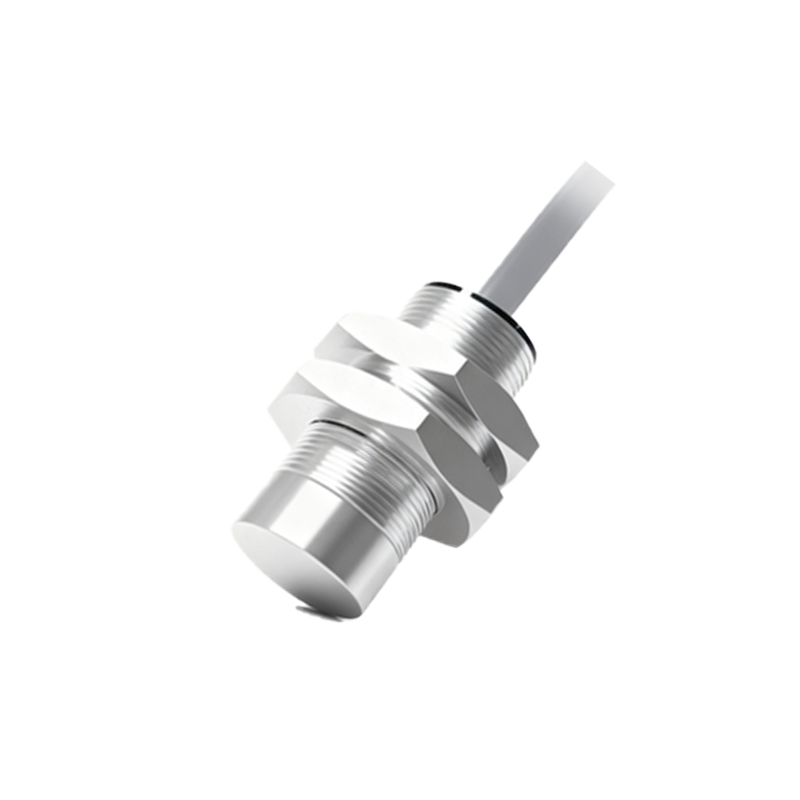
When selecting a three-wire proximity sensor, key factors include sensing distance, material compatibility, and environmental conditions. Inductive sensors are optimal for metal objects, with ranges up to 15 mm, while capacitive sensors detect non-metallic materials like plastics or liquids. Engineers must also consider IP ratings for dust and water resistance, especially in outdoor or washdown areas. Proper installation involves aligning the sensor perpendicular to the target and avoiding metal interference, which can cause false triggers. Regular maintenance, such as cleaning the sensing face and checking connections, prolongs sensor life and ensures accuracy.
In summary, three-wire proximity sensors are indispensable in automation due to their robust design and flexibility. By understanding their wiring and application nuances, engineers can optimize system performance and reliability. As Industry 4.0 advances, these sensors will continue to evolve, integrating smart features like IO-Link for real-time diagnostics and data exchange, further driving industrial innovation.