In the realm of industrial automation and control systems, sensors are the fundamental components that bridge the physical and digital worlds. Among the diverse array of sensing technologies, proximity switches hold a critical position for non-contact detection. A specific and highly reliable type within this category is the strong magnetic proximity switch. This article delves into the technical classification of this device, explaining its operational principles, key characteristics, and typical applications within an industrial context.
Fundamentally, a strong magnetic proximity switch is a type of magnetic proximity sensor. Its core function is to detect the presence or absence of a magnetic field, specifically a strong permanent magnetic field, and convert this detection into an electrical switching signal. Unlike inductive or capacitive proximity sensors that detect metallic or material presence based on other physical principles, magnetic sensors respond solely to magnetic flux.
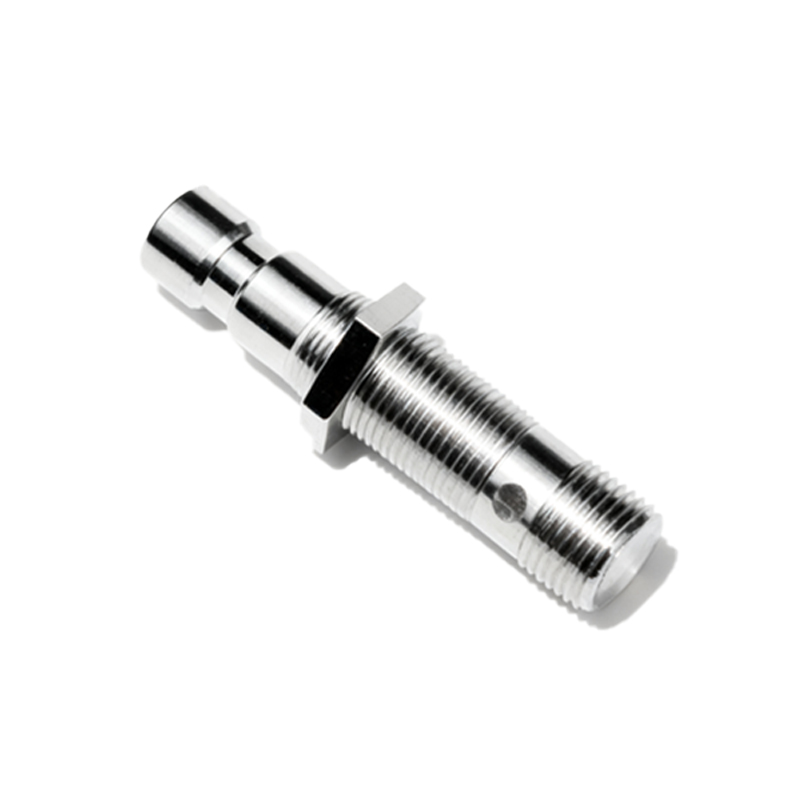
The operational principle is based on the Hall Effect or, in many robust industrial designs, on the use of reed switches. In a Hall Effect-based strong magnetic proximity switch, a semiconductor Hall element generates a voltage proportional to the strength of an applied magnetic field. When a strong permanent magnet (the "actuator" or "target") approaches within a specified range, the internal circuitry triggers a solid-state switch. Alternatively, reed switch-based designs employ two ferromagnetic, sealed contacts within a glass tube. The presence of a strong external magnetic field from the actuator causes these contacts to attract each other and close, completing the circuit. The "strong" designation typically refers to the use of powerful rare-earth magnets (like Neodymium) as actuators, allowing for larger sensing distances and reliable operation even in challenging environments.
The classification as a magnetic proximity sensor defines its key attributes. Firstly, it is a non-contact sensor, meaning it detects the magnet without physical interaction, eliminating mechanical wear. Secondly, it is a binary or digital sensor, providing a clear ON/OFF output signal. Its sensing object is singular: a magnetic field. This makes it immune to non-magnetic materials like plastic, wood, or liquids that might interfere with other sensor types. This specificity is a significant advantage.
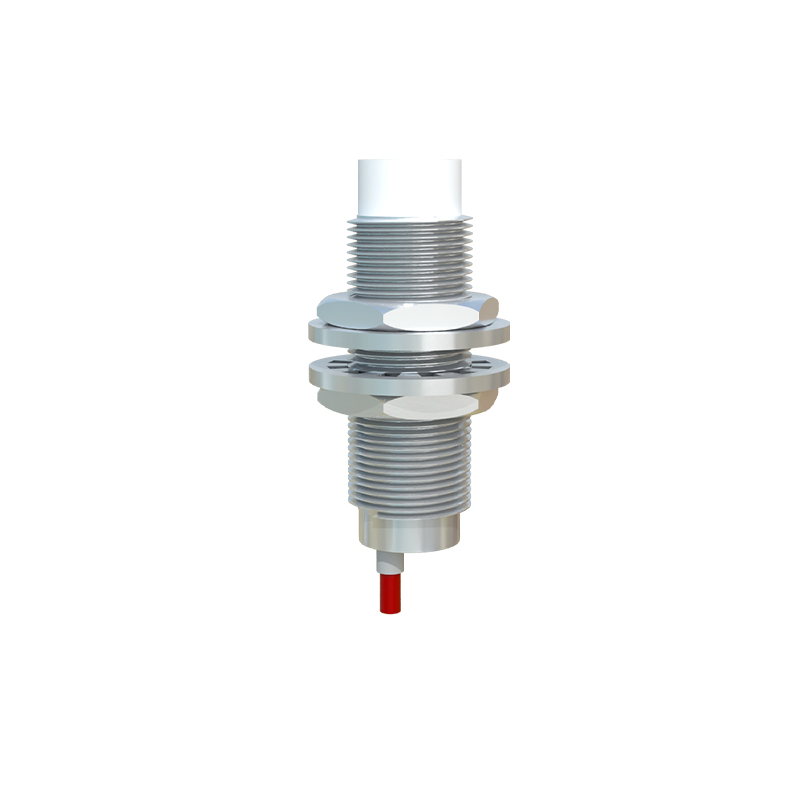
The industrial applications of strong magnetic proximity switches are vast due to their robustness, simplicity, and reliability. Common use cases include:
Position Sensing and Limit Control: Detecting the open/closed position of doors, hatches, or guards on machinery. The magnet is mounted on the moving part, and the switch is fixed on the frame.
Speed and RPM Monitoring: Counting rotations by detecting a magnet attached to a rotating shaft, useful in conveyor systems or motor speed detection.
Fluid Level Detection: Used in hydraulic or pneumatic cylinders to indicate piston rod end positions, often as an alternative to mechanical limit switches.
Safety Interlocks: Ensuring protective guards are in place before machine operation can commence, forming a crucial part of safety circuits.
Material Handling: Detecting the presence of magnetic fixtures or pallets in automated systems.
A major benefit is their environmental resilience. They are generally unaffected by dust, dirt, oil, moisture, or vibrations—common in industrial settings—as long as the magnetic field strength is sufficient. They do not require external power in passive reed switch configurations, simplifying wiring. However, their limitation is clear: they only work with a magnetic actuator. They are also susceptible to interference from stray external magnetic fields, though shielding and proper design mitigate this.
In conclusion, a strong magnetic proximity switch is unequivocally classified as a specialized magnetic proximity sensor. Its operation hinges on the detection of a strong, predefined magnetic field, translating it into a clean switching signal. Its design prioritizes reliability and durability in harsh conditions over versatility. For engineers and system designers, understanding this classification is essential for selecting the right sensor: when the application involves detecting the precise position of a component that can be fitted with a permanent magnet, especially in dirty, wet, or high-vibration environments, the strong magnetic proximity switch often presents an optimal, maintenance-free solution. Its continued prevalence in factory automation, automotive manufacturing, and heavy machinery underscores its vital role as a dependable workhorse in the sensor family.