Normally open (NO) proximity sensors operating at 220V AC are fundamental components in modern industrial automation and control systems. These non-contact sensing devices are engineered to detect the presence or absence of metallic or, in some cases, non-metallic objects without any physical contact. The "normally open" designation refers to the state of the sensor's output switch when no target is within its sensing range. In this state, the circuit is open, and no current flows. When a target enters the predefined sensing field, the internal switching mechanism closes the circuit, allowing the 220V AC signal to pass through to the connected load, such as a PLC input, relay coil, or indicator lamp.
The 220V AC operating voltage is a global standard, particularly prevalent in European and Asian industrial power systems, as well as in heavy-duty machinery worldwide. This voltage rating makes these sensors directly compatible with common industrial power supplies, eliminating the need for additional signal converters or power supplies in many control panel designs. This direct integration simplifies wiring, reduces component count, and enhances overall system reliability.
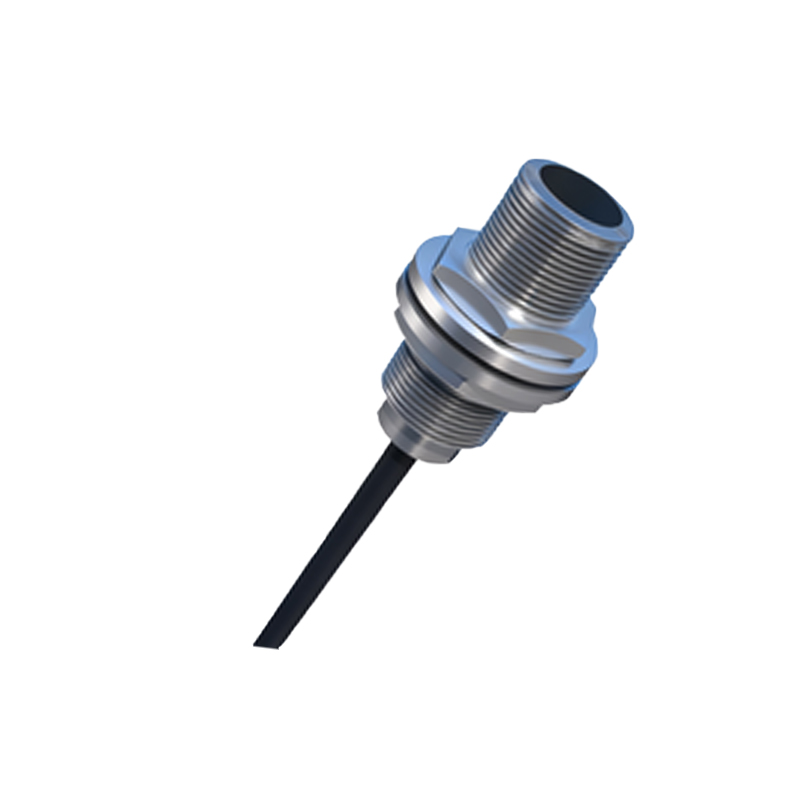
Key operational principles vary by type. Inductive proximity sensors are the most common for 220V AC NO applications. They generate an electromagnetic field and detect the eddy current losses caused by metallic targets. Key specifications include sensing distance, which typically ranges from 2mm to 40mm for standard cylindrical models, and the type of metal (e.g., steel, aluminum, brass) which can affect the effective sensing range. The housing is usually constructed from nickel-plated brass, stainless steel, or PBT plastic, offering high resistance to industrial contaminants like coolants, oils, and metal shavings. A critical feature is the built-in surge protection and noise immunity, which is essential for stable operation in electrically noisy environments common with motors and frequency drives.
The wiring configuration for a 3-wire AC NO proximity sensor is straightforward. The brown wire (or L+) connects to the 220V AC phase line, the blue wire (or N) connects to the neutral line, and the black wire is the load output. When activated, the black wire switches the 220V AC to the load. The load is always connected between the black output wire and the neutral line. It is paramount to ensure proper grounding and adhere to local electrical codes for safety.
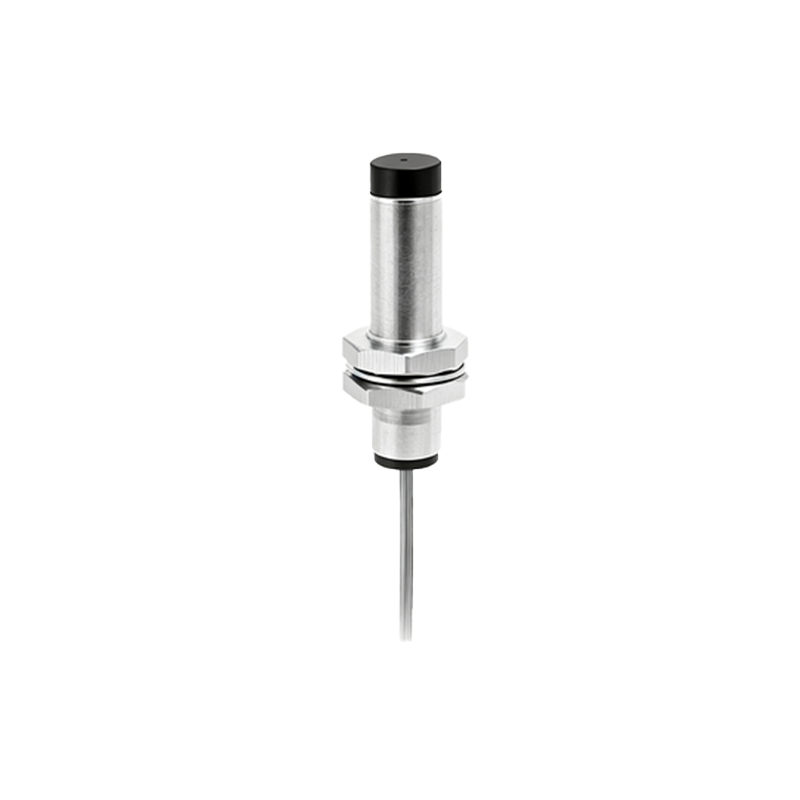
Application scenarios for 220V AC NO sensors are extensive. They are indispensable in machine automation for tasks like part presence verification on conveyor belts, monitoring the position of cylinder pistons, and ensuring correct tooling in CNC machines. In material handling, they count products, control gate positions, and provide end-of-travel limits for hoists and cranes. Their robust nature allows them to function reliably in harsh conditions where mechanical limit switches would fail due to wear and tear.
Selecting the right sensor involves several considerations. First, determine the required sensing distance with a safety margin (typically 70-80% of the nominal value). Next, consider the target material and size. For non-ferrous metals, a factor-of-one or factor-of-two reduction in the stated sensing distance (which is usually calibrated for mild steel) must be accounted for. The environmental rating is crucial; an IP67 rating guarantees protection against dust ingress and temporary immersion, making it suitable for washdown areas. The operating temperature range, often from -25°C to +70°C, must suit the application environment. Finally, the electrical load on the output, measured in milli-amperes (mA), must not exceed the sensor's rated switching capacity.
Maintenance is generally minimal due to the non-contact nature. However, periodic inspection is recommended to ensure the sensing face remains clean from buildup that could attenuate the sensing field. Checking for physical damage to the cable and connector is also good practice. Troubleshooting often involves verifying power supply voltage, checking for a misaligned or out-of-range target, and confirming the load is within specifications using a multimeter.

In summary, the 220V AC normally open proximity sensor is a robust, versatile, and critical workhorse in industrial control. Its direct high-voltage interface, solid-state reliability, and adaptability to tough environments make it a preferred choice for engineers designing safe, efficient, and maintenance-friendly automated systems. Understanding its specifications, wiring, and application nuances is key to leveraging its full potential for machine monitoring, safety interlocking, and process control.