In the field of industrial automation and control systems, proximity sensors play a crucial role in detecting the presence or absence of objects without physical contact. The sensing head, which is the front-end component of these sensors, is particularly critical as it directly interacts with the target environment. The choice of material for the sensing head significantly impacts the sensor's performance, durability, and application suitability. This article delves into the common materials used in proximity sensor sensing heads, explaining their properties and typical use cases.
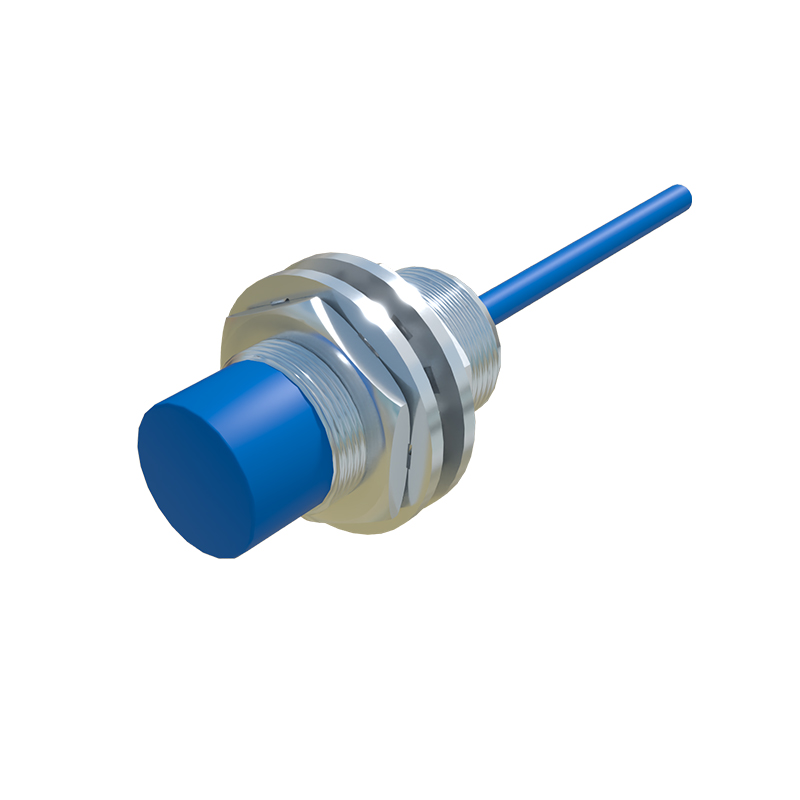
Proximity sensors operate based on various principles, such as inductive, capacitive, ultrasonic, and optical methods. For inductive proximity sensors, which are widely used for detecting metallic objects, the sensing head typically incorporates a ferrite core. Ferrite, a ceramic compound made from iron oxide and other metals like manganese or zinc, is favored for its high magnetic permeability and low electrical conductivity. This material helps concentrate the magnetic field generated by the sensor's coil, enhancing sensitivity and range. Ferrite cores are often encapsulated in a protective housing made from materials like stainless steel, brass, or plastic, depending on the application requirements. Stainless steel, such as grade 304 or 316, is common in harsh environments due to its corrosion resistance and mechanical strength. Brass is used in less demanding settings for its cost-effectiveness and good conductivity, while plastic housings, often made from polyamide (PA) or polyvinyl chloride (PVC), are employed in non-metallic detection or where electrical insulation is needed.
For capacitive proximity sensors, which can detect both metallic and non-metallic objects, the sensing head usually features a dielectric material. Common choices include ceramics like alumina (Al2O3) or polymers such as polytetrafluoroethylene (PTFE). These materials provide stable dielectric constants, ensuring consistent detection performance. The outer casing is often made from plastic or metal to shield the internal components from environmental factors like moisture, dust, or chemicals. In high-temperature applications, sensing heads may use specialized materials like PEEK (polyether ether ketone) or ceramic composites, which offer excellent thermal stability and resistance to wear.
Ultrasonic proximity sensors rely on sound waves for detection, and their sensing heads are typically constructed from materials that facilitate acoustic transmission. Piezoelectric crystals, such as lead zirconate titanate (PZT), are commonly used to generate and receive ultrasonic waves. These crystals are housed in a protective front layer made from epoxy resin or polyurethane, which provides acoustic coupling while protecting against physical damage. For outdoor or rugged environments, the housing might be made from aluminum or stainless steel to withstand impacts and corrosion.
Optical proximity sensors, including infrared and laser types, use lenses and windows in their sensing heads. The lens material is often glass or optical-grade plastics like polycarbonate (PC) or acrylic (PMMA). Glass offers superior clarity and scratch resistance, making it ideal for precision applications, while plastic lenses are lighter and more cost-effective for general use. The housing for optical sensors is typically made from anodized aluminum or plastic to prevent interference with light signals and ensure durability.
In summary, the material selection for proximity sensor sensing heads is driven by factors such as detection principle, environmental conditions, target material, and cost considerations. Engineers must balance performance attributes like sensitivity, range, and longevity when choosing materials. As technology advances, new materials like composite polymers and advanced ceramics are emerging, offering enhanced capabilities for specialized applications in industries ranging from automotive manufacturing to food processing. Understanding these material choices helps in optimizing sensor deployment and ensuring reliable operation in diverse settings.